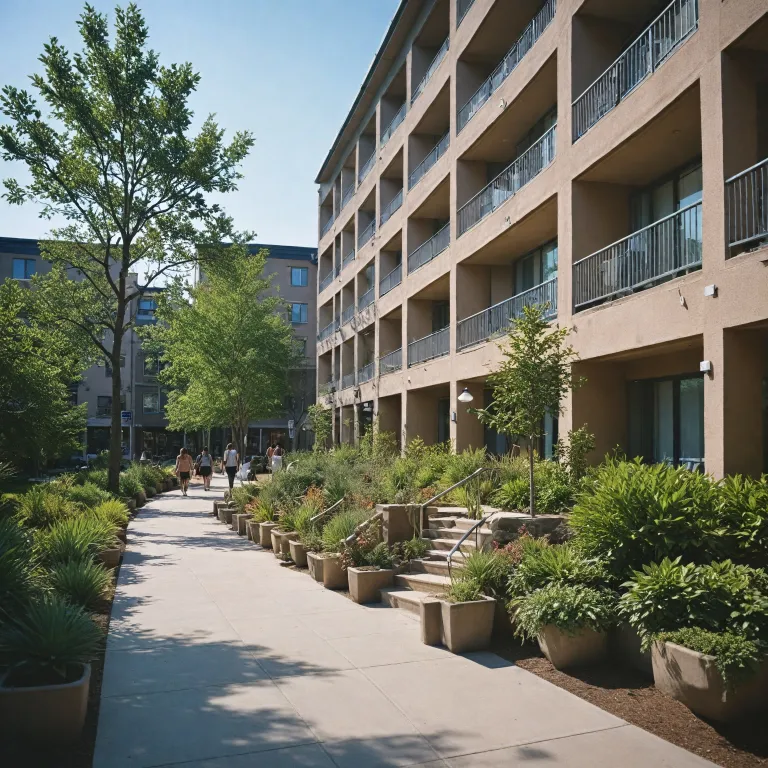
Understanding the essentials of student housing with security services
Choosing student housing with security services is a pivotal decision for university students and their families. The modern campus housing landscape prioritizes safety, integrating advanced security measures and systems to protect residents. Housing security is no longer an afterthought; it is a fundamental aspect of the student experience, ensuring peace of mind for students, parents, and university staff alike.
University housing departments play a crucial role in overseeing the implementation of security measures in student accommodations. These administrators collaborate with campus security officers to provide on-site security services, monitor surveillance systems, and respond to incidents. The presence of security guards and the deployment of guard services are standard in both traditional and luxury student housing, reflecting a commitment to resident safety.
Students benefit from a variety of security services, including electronic access control systems, CCTV surveillance, and emergency communication tools. These systems are designed to prevent unauthorized access and deter criminal activities within student villages and apartment complexes. For those seeking premium accommodations, features such as smart locks, biometric scanners, and full-time security staff are becoming increasingly common.
Residents are encouraged to actively participate in maintaining a secure environment. Simple actions like always locking doors and windows, reporting suspicious activity, and attending safety workshops contribute to the overall effectiveness of housing security. The housing office often provides resources and guidance to help students learn about available security measures and how to apply housing protocols effectively.
As the demand for secure student housing grows, luxury and premium booking websites have responded by offering detailed information about security services, floor plans, and apartment security features. These platforms enable students to compare options, review safety systems, and make informed decisions about where to live campus. The integration of technology and professional staff ensures that university student residents can focus on their studies, knowing their well-being is a top priority.
Advanced security systems and services in premium student accommodations
Premium student housing options distinguish themselves by offering advanced security systems and comprehensive services tailored to the needs of university students. Electronic access control, such as key card and biometric entry, is now standard in many luxury student apartments and campus housing complexes. These systems restrict access to authorized residents and staff, significantly enhancing safety for all occupants.
Surveillance cameras are strategically placed throughout student housing, covering common areas, entry points, and parking lots. According to recent statistics, 90% of student housing facilities are equipped with security cameras, underscoring the widespread adoption of surveillance technology. The presence of security guards and full-time staff further reinforces the commitment to resident safety, providing immediate response to any incidents or emergencies.
Guard services extend beyond simple patrols; they include regular safety audits, emergency drills, and collaboration with local law enforcement agencies. The housing staff is trained to handle a variety of situations, from routine security checks to crisis management. For students living in summer housing or graduate apartments, these services are particularly valuable, offering consistent protection regardless of the season.
Luxury booking platforms highlight these security features, allowing prospective residents to filter options based on security measures, access control systems, and the availability of on-site security personnel. The housing application process often includes detailed descriptions of security protocols, ensuring transparency and building trust with students and their families. For those interested in learning more about the latest innovations in student housing security, resources such as comprehensive campus safety guides provide valuable insights.
As technology continues to evolve, the integration of smart home features and mobile applications is transforming the student housing experience. Residents can now receive real-time safety alerts, report incidents, and communicate with housing staff directly from their smartphones. These advancements not only improve security but also foster a sense of community and support among university student residents.
Role of staff, residents, and technology in maintaining housing security
The effectiveness of student housing with security services relies on the collaboration between staff, residents, and technology. Housing staff are responsible for enforcing security protocols, conducting regular inspections, and providing ongoing education to residents about safety practices. Their expertise ensures that security measures are consistently applied and updated as needed.
Residents play an active role in maintaining a secure environment. By following guidelines such as locking doors and windows, participating in safety workshops, and reporting suspicious activities, students contribute to the overall safety of the campus housing community. As one expert notes, "Students can enhance their safety by locking doors and windows, reporting suspicious activities, participating in safety programs, and staying informed about emergency procedures." This proactive approach is essential for fostering a culture of safety within student villages and apartments.
Technology serves as a critical enabler of housing security. Access control systems, surveillance cameras, and emergency communication tools provide multiple layers of protection for residents. The integration of smart home technologies, such as mobile apps for incident reporting and safety alerts, further enhances the responsiveness and effectiveness of security services. For those interested in exploring innovative solutions, student housing technology platforms offer a wealth of information on the latest trends and best practices.
Graduate students and university student residents benefit from these advancements, as they provide peace of mind and allow individuals to focus on their academic pursuits. The housing office remains a valuable resource, offering support and guidance on security measures, housing applications, and access control systems. By working together, staff, residents, and technology create a safe and welcoming environment for all.
Parking lot security, apartment security, and guard services are integral components of the overall safety strategy. Regular communication between residents and housing staff ensures that concerns are addressed promptly and that security measures remain effective. The commitment to continuous improvement and resident engagement sets premium student housing apart from traditional options.
Comparing traditional and luxury student housing security measures
Traditional student housing often relies on basic security measures, such as keyed entry and periodic patrols by campus security officers. While these systems provide a foundational level of safety, they may not address the evolving needs of modern university students. In contrast, luxury and premium student housing options offer a more comprehensive approach to security, integrating advanced technologies and full-time staff support.
Electronic access control, surveillance cameras, and biometric entry systems are standard features in many premium accommodations. These measures significantly reduce the risk of unauthorized access and enhance the overall safety of residents. Security guards and guard services are present around the clock, ensuring immediate response to any incidents and maintaining a visible security presence within student villages and apartment complexes.
Luxury student housing also emphasizes resident education and engagement. Safety workshops, emergency drills, and regular communication with housing staff help students learn about security protocols and best practices. The housing office provides detailed information on security measures, floor plans, and apartment security features during the housing application process, enabling students to make informed decisions.
For those seeking a higher level of safety, premium booking websites offer transparent descriptions of security services, access control systems, and staff qualifications. This level of detail is particularly important for international students, graduate students, and those living on campus during the summer months.
The integration of smart home technologies and mobile applications is transforming the student housing landscape. Residents can now monitor security systems, receive real-time alerts, and communicate with staff from their smartphones. These innovations set luxury student housing apart, offering unparalleled safety and convenience for university student residents.
Key considerations for selecting student housing with security services
When evaluating student housing with security services, several factors should be considered to ensure the safety and well-being of residents. The presence of electronic access control systems, surveillance cameras, and full-time security staff are essential components of a secure living environment. Prospective residents should inquire about the availability of guard services, parking lot security, and emergency communication tools.
It is important to review the housing office's policies and procedures regarding security measures, incident reporting, and resident education. The housing application process should provide clear information on floor plans, apartment security features, and access control systems. Transparency in these areas builds trust and confidence among students and their families.
Residents are encouraged to participate in safety workshops, familiarize themselves with emergency exits and procedures, and report any suspicious activity to campus security. As one expert states, "Common security features include electronic access control systems, surveillance cameras, on-site security personnel, and emergency communication systems." This comprehensive approach ensures that all aspects of resident safety are addressed.
Graduate students, international students, and those living on campus during the summer should pay particular attention to the availability of 24/7 security services and staff support. The integration of smart home technologies and mobile applications can further enhance the safety and convenience of student housing. By carefully considering these factors, students can select accommodations that meet their unique needs and preferences.
Luxury and premium booking websites provide valuable resources for comparing security features, staff qualifications, and resident reviews. These platforms empower students to make informed decisions and prioritize their safety when choosing where to live campus. The commitment to continuous improvement and resident engagement ensures that student housing with security services remains a top choice for university students.
Future trends in student housing security and resident well-being
The future of student housing with security services is shaped by ongoing innovation and a commitment to resident well-being. The adoption of biometric access control systems, integration of smart home technologies, and emphasis on mental health are transforming the student housing experience. These advancements reflect a holistic approach to safety, addressing both physical and emotional needs.
University housing departments and campus security officers are at the forefront of implementing these changes. Their collaboration with technology providers and local law enforcement agencies ensures that security measures remain effective and up to date. The use of mobile applications for incident reporting and safety alerts is becoming increasingly common, providing residents with real-time information and support.
Residents are encouraged to take an active role in their own safety by participating in educational programs, staying informed about emergency procedures, and communicating regularly with housing staff. The housing office continues to provide valuable resources and guidance on security measures, housing applications, and access control systems. As one expert highlights, "Yes, the Clery Act requires educational institutions to disclose information about crime on and near their campuses and to implement safety policies."
Luxury and premium booking websites are adapting to these trends by offering detailed information on security features, staff qualifications, and resident support services. The focus on continuous improvement and resident engagement ensures that student housing with security services remains a leader in safety and innovation. As technology evolves, students can expect even greater levels of protection and convenience in their campus housing options.
By prioritizing both security and well-being, university student housing is setting new standards for resident satisfaction and academic success. The integration of advanced systems, dedicated staff, and resident engagement creates a safe and supportive environment for all students.
Statistics on student housing security and frequently asked questions
- 90% of student housing facilities are equipped with security cameras.
- 10% of student housing units in the U.S. are equipped with smart home technology.
- 80% of university housing providers offer meal plan options.
Frequently asked questions about student housing with security services
What are common security features in student housing?
Common security features include electronic access control systems, surveillance cameras, on-site security personnel, and emergency communication systems.
How can students contribute to their own safety in campus housing?
Students can enhance their safety by locking doors and windows, reporting suspicious activities, participating in safety programs, and staying informed about emergency procedures.
Are there legal requirements for security in student housing?
Yes, the Clery Act requires educational institutions to disclose information about crime on and near their campuses and to implement safety policies.
References: gitnux.org, U.S. Department of Education, National Center for Education Statistics