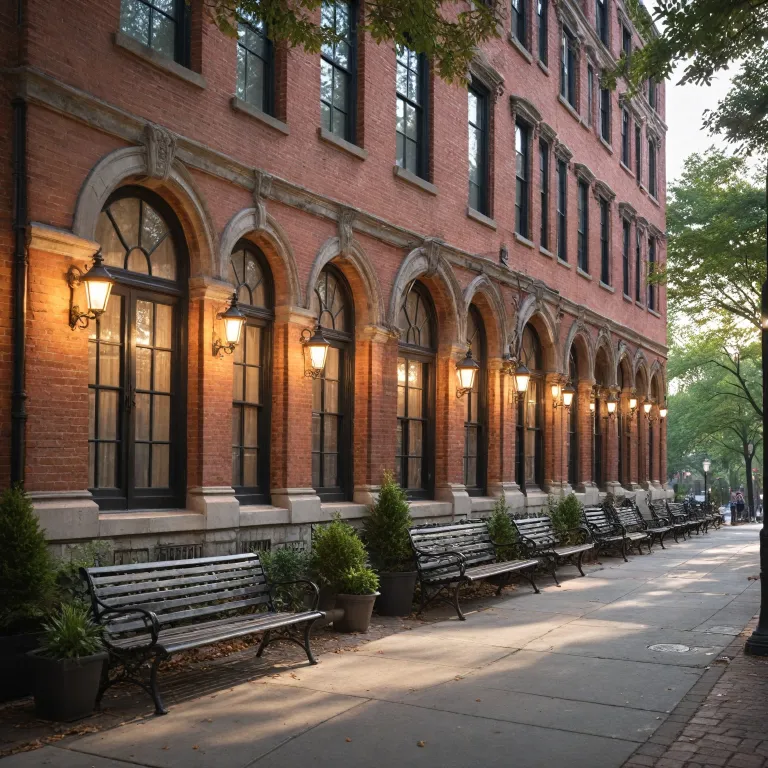
Refined student living at 36th street residence hall
Set on East 36th street in New York, 36th street residence hall offers students an elegant balance of city energy and calm residential charm. This residence hall is operated by Yeshiva University and gives each student a refined base for campus living while keeping the bustle of Midtown within easy reach. The building’s historic character blends with modern housing comforts, creating a living building that feels both grounded and contemporary.
Across five floors, the residence provides thoughtfully arranged rooms that support focused study and relaxed downtime for students. Each room in the residence is fully furnished, and the hall uses a traditional layout with shared bathrooms that encourages students to meet neighbours naturally and share daily routines. This 36th street residence hall model suits both a first semester student and a returning resident who values a calm, structured environment.
The residence hall stands close to public transport, so students can move quickly between campus, internships, and cultural venues. Because the residence is part of the wider network of Yeshiva University residence halls, students benefit from coordinated housing academic support and clear policies that protect their wellbeing. The halls will also typically align with the academic year, allowing students to plan each semester with confidence and secure housing for the full period.
Within this residence, campus living is designed to enhance academic focus rather than distract from it. The building’s communal spaces, from lounges to study corners, help students share ideas and form friendships that extend beyond their room. For many, 36th street residence hall becomes more than a housing option ; it becomes the centre of their New York student experience.
Rooms, layouts, and the rhythm of campus living
The 36th street residence hall offers two main room types, each tailored to different student preferences. Some rooms are ideal for students who want a quieter, more private setting, while other rooms suit those who prefer to share space and build community from day one. Whatever the choice, every room in this residence hall is furnished to support the daily rhythm of the academic year.
Because the building follows a traditional residence hall design, students will find shared bathrooms and communal corridors that naturally foster interaction. These halls will often become informal meeting points where students share quick conversations before class or discuss plans for the semester. The floor building layout keeps distances short, so moving between rooms, lounges, and exits feels effortless even during busy exam weeks.
While 36th street residence hall does not feature studio apartments or full kitchens in every room, it compensates with practical shared facilities and proximity to campus dining. Students who want more independent cooking options sometimes compare this residence with brookdale hall, where some layouts may include a full kitchen or even full kitchens on certain floors. However, many residents at 36th street appreciate the simplicity of the housing model and the way it keeps their focus on study, community, and city exploration.
Within Yeshiva University housing, the 36th street residence is often chosen by students who value being close to campus without sacrificing a sense of neighbourhood. The residence halls across the university, including those on the Beren campus, are coordinated so that housing academic schedules align with teaching blocks. This means a student can plan each semester’s move with clarity, knowing their residence hall contract supports their academic goals.
Comparing 36th street residence hall with beren and brookdale options
Many students considering 36th street residence hall also look closely at housing on the Beren campus and at brookdale hall. Each residence hall within Yeshiva University offers a distinct style of campus living, and understanding these differences helps students choose the right residence for their academic year. The 36th street residence, with its historic building and central street location, appeals to those who want classic halls and quick access to Midtown.
On the Beren campus, some residence halls place students even closer to specific academic buildings, which can be attractive for demanding programmes. A student might choose a room in a Beren campus residence if they want to minimise commute time and live in a building where many classmates also stay. These residence halls will often feature varied room types, from traditional rooms to layouts that feel closer to studio apartments, depending on the hall.
Brookdale hall, by contrast, is frequently associated with more independent styles of housing, sometimes including a full kitchen or shared full kitchens that support self catering. Students who love to cook, host small dinners, and share recipes with friends may find a room brookdale option particularly appealing. When comparing 36th street residence with brookdale, the decision often comes down to whether a student prioritises a central street residence or a more self contained cooking environment.
Across all these buildings, Yeshiva University maintains consistent housing academic standards and support services. Whether a student lives in a 36th street residence hall room, a Beren campus residence, or a brookdale hall space, they remain connected to the same institutional network. This allows students to move between residence halls across different semesters while preserving continuity in their campus living experience.
Life inside a historic living building in New York
The 36th street residence hall occupies a historic building that has been carefully updated with modern amenities. This living building approach respects original architectural details while ensuring that rooms, corridors, and shared spaces meet current expectations for comfort. Students benefit from furnished rooms, reliable utilities, and communal bathrooms that are maintained by the university housing team.
Within the hall, students will quickly learn the subtle rhythms of campus living in New York. Early mornings often begin with quiet study in rooms or shared lounges, while evenings may bring relaxed conversations in the halls or quick trips along the street for coffee. Because the residence hall is close to public transport, students can move easily between the residence, internships, and cultural venues without sacrificing study time.
Meal plans offered by Yeshiva University integrate smoothly with life at 36th street residence hall, even though the building itself does not centre on full kitchen facilities. Students who prefer structured dining can rely on meal plans, while those who want occasional independent cooking may look to residence halls such as brookdale hall, where a full kitchen or shared full kitchens can be available. This flexibility allows each student to shape their housing academic experience according to personal habits and dietary needs.
Because the residence is part of a wider network of residence halls, students can share experiences with friends living on the Beren campus or in other halls. Over the course of a semester, many residents find that the hall’s communal spaces become as important as their individual rooms. In this way, 36th street residence hall supports both focused academic work and the informal social life that defines a memorable student housing journey.
Planning your move, enrollment, and premium housing choices
Securing a place at 36th street residence hall begins with understanding Yeshiva University housing policies and timelines. Students are typically required to be enrolled, so it is essential to coordinate the housing application with the required enroll steps for academic programmes. Because residence halls will often fill quickly, planning ahead for each semester and the full academic year is crucial.
When preparing to move into the residence, students should think carefully about what to bring to their room. The hall provides core furnishings, so most students will share only personal items, study materials, and a few decorative touches that make the room feel like home. Given the building’s central street location and compact floor building layout, it is wise to avoid overpacking and instead focus on essentials that support study and rest.
Students comparing premium housing options may also explore other campus living choices, including residence halls on the Beren campus and brookdale hall. Those who prioritise independent cooking or studio apartments might lean toward a room brookdale arrangement with a full kitchen or shared full kitchens. Others may prefer the classic residence hall feel of 36th street, where the emphasis rests on proximity to campus, streamlined housing academic support, and a strong sense of community.
For readers interested in broader perspectives on elevated student housing, resources such as guides to elevated student living near campus can provide useful context. These insights help students evaluate how a residence hall’s building design, room types, and location influence daily life. Ultimately, choosing 36th street residence hall means selecting a residence that aligns with both academic ambitions and a refined urban lifestyle.
Community, safety, and the role of residence halls in student success
Within Yeshiva University, residence halls such as the 36th street residence hall play a central role in student success. The housing academic framework is designed to support not only accommodation needs but also wellbeing, retention, and engagement. According to the university, “The residence hall offers furnished rooms, communal bathrooms, and is located near campus facilities.”
Community life in the hall develops through everyday interactions in rooms, corridors, and shared lounges. Students will often share study tips, organise group sessions, or simply unwind together after demanding days on campus. Over the course of a semester, these informal networks can be as valuable as formal academic support, especially for a first year student adjusting to city living.
Safety and security are also key priorities in every residence hall building. Controlled access, clear visitor policies, and responsive staff help ensure that students feel protected in their rooms and shared spaces. Because the halls will operate under consistent standards across the Beren campus, brookdale hall, and 36th street residence, students can move between residence halls in different academic years without losing that sense of safety.
For many residents, the hall becomes a place where they share milestones, from first exams to final presentations. The combination of a well maintained living building, supportive housing academic staff, and a central street residence location creates a stable foundation for growth. In this context, 36th street residence hall is not just housing ; it is a carefully managed environment that helps students thrive in New York.
Addressing the lack of tailored luxury categories in student housing platforms
One of the deeper challenges in the market for premium student housing is that many booking platforms lack a specific category for luxury focused campus living. A student searching for a residence like 36th street residence hall, or for a refined room brookdale option with a full kitchen, may find results mixed with standard residence halls that do not match their expectations. This absence of tailored filters makes it harder to compare a historic living building on a prime street residence with more basic halls.
For properties connected to Yeshiva University, including those on the Beren campus and at brookdale hall, this gap can obscure the true value of their housing academic offer. Platforms rarely highlight distinctions such as floor building layouts, proximity to campus, or whether rooms sit within a residence hall or studio apartments. As a result, students will often rely on word of mouth, trending posts, or share trending recommendations from peers rather than structured data.
A more refined booking experience would allow students to filter residence halls by features such as meal plans integration, presence of full kitchens or shared full kitchens, and the character of the building. It would also distinguish between classic residence hall rooms and more independent campus living formats, such as studio apartments within a university managed building. For a residence like 36th street, this would mean clearly presenting its strengths as a central, historic hall with strong community and streamlined housing support.
Until booking platforms evolve, students should approach their search with a clear checklist that includes location, room types, building style, and alignment with the academic year. By comparing 36th street residence hall, Beren campus residences, and brookdale hall through this lens, they can identify which halls will best support their goals. In doing so, they transform a complex housing market into a curated selection of residence halls that genuinely match their aspirations.
Key statistics about 36th street residence hall
- Number of floors in the residence hall building : 5 floors.
- Number of primary room types available for students : 2 types.
- Residence location : 151 East 36th Street, New York, USA.
- Residence context : part of an ongoing on campus housing strategy.
Essential FAQs about 36th street residence hall
What amenities are available at the 36th street residence hall?
The 36th street residence hall provides furnished rooms, shared bathrooms, and communal spaces that support both study and relaxation. Students benefit from being close to campus facilities and public transport, which simplifies daily routines. The hall’s amenities are designed to balance comfort, practicality, and a strong sense of community.
Is the 36th street residence hall suitable for freshmen?
Yes, the residence accommodates both freshmen and upper level students within the same building. This mix helps new students learn from more experienced peers while still enjoying the structure of a traditional residence hall. For many first year students, living here offers a reassuring introduction to campus living in New York.
How does 36th street residence hall support academic success?
The residence aligns its housing academic calendar with the university’s teaching schedule, giving students stability throughout each semester. Quiet rooms, communal study areas, and easy access to campus resources all contribute to a focused learning environment. Combined with the support of residence staff, these features help students maintain balance between academic commitments and city life.