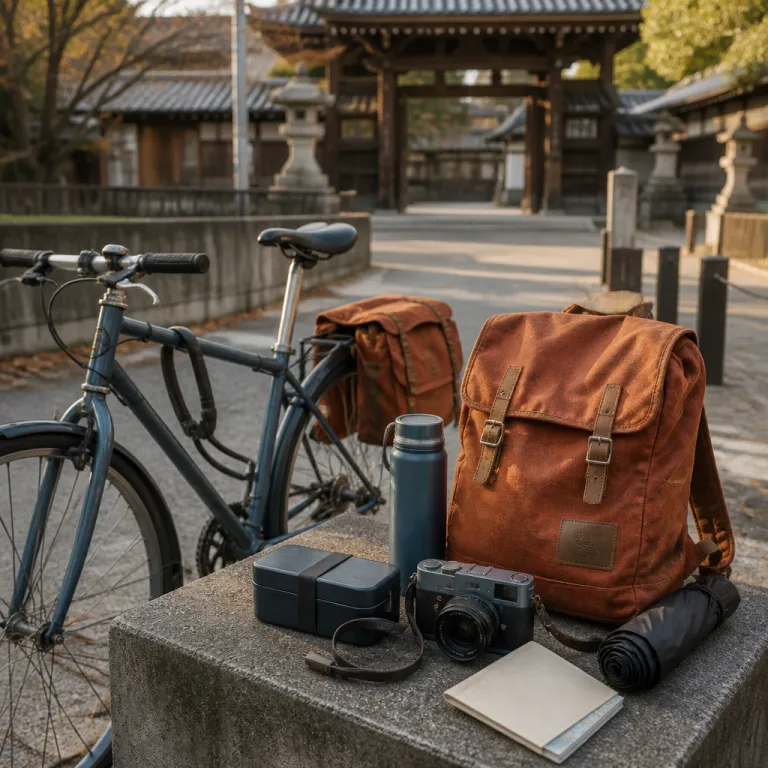
From Nogawadai Dorm to temple: framing a premium student journey
Moving from Nogawadai Dorm to temple visits in the Tokyo area can define your entire semester abroad. When you choose a luxury or premium student housing plan, the route between your dorm, Temple University Japan Campus, and nearby historical sites becomes part of a curated daily experience. This is where the path from the Nogawadai dorm to temple university facilities, and onward to heritage districts, turns into a thoughtful balance of study, culture, and comfort.
Nogawadai Dorm in Kawasaki is operated for Temple University Japan Campus (often called TUJ) students, and it sits within commuting distance of central Tokyo and major shrines. For many TUJ students, the question is not only how many minutes it takes to reach a station, but how that commute shapes their required stay, their student visa conditions, and their access to historical sites that enrich a Japanese studies curriculum. When you evaluate premium student housing options, you should look at how the Nogawadai dorm to temple routes integrate with your campus schedule, your preferred level of privacy, and your appetite for cultural immersion.
The dorm offers approximately ninety two rooms, with shared kitchens, a cafeteria, a gym, and an activity room that support a comfortable stay for international students. According to housing information from Temple University Japan Campus and the National Student Information Center, these facilities are paired with unit baths in each room, and this combination of amenities places Nogawadai Dorm firmly in the upper tier of student housing in the wider Tokyo area. For a student who values both quiet study and easy access to temples, shrines, and historical streets, the Nogawadai dorm to temple connection becomes a daily ritual rather than a logistical challenge.
Understanding the Nogawadai Dorm to Temple University Japan commute
The practical route from Nogawadai Dorm to Temple University Japan Campus underpins every housing decision you make. From the dorms, you typically walk to the nearest bus stop and use a local bus from Saginuma or Kajigaya Station, then transfer to rail lines that lead into central Tokyo and onward to the city campus or Hillside Center. This means that the Nogawadai dorm to temple university journey is not a single hop, but a well structured sequence of minutes by bus and train that you can refine according to your timetable.
Current guidance on official TUJ housing pages indicates that the trip from Nogawadai Dorm to the main TUJ city campus takes roughly fifty minutes door to door, while the ride to the Hillside Center is closer to thirty five minutes. For a student planning a fall spring academic cycle or a spring start, this commute length is entirely manageable, especially when weighed against the quieter residential environment and the premium feel of the housing. When you hold a student visa or a visa sponsored by Temple University Japan, you must also consider how your required stay in Japan aligns with reliable access to both campus and cultural districts.
Luxury oriented student housing platforms increasingly highlight commute transparency, showing exact minutes from dorm to station, and from station to campus, so that TUJ students can compare Nogawadai Dorm with other student housing options such as private apartments or homestay arrangements. If you are evaluating how the Nogawadai dorm to temple routes compare with other international student cities, it is worth reviewing detailed case studies of elevated campus living that explain how commute time, neighborhood character, and access to cultural sites interact. Such comparisons help you understand where Nogawadai Dorm sits on the spectrum between convenience, calm, and cultural access.
Luxury and premium housing options around Nogawadai Dorm and TUJ
While Nogawadai Dorm is the flagship TUJ dorm for many international students, a sophisticated booking platform will present it alongside a curated set of alternative housing options. These may include private apartments in the Tokyo area, carefully vetted homestay houses with Japanese families, and other TUJ dorms such as the Yoga Parkside Residence. For a discerning student, the question is how each option supports both academic focus and meaningful excursions from Nogawadai dorm to temple districts and historical sites.
Temple University Japan Campus works with the National Student Information Center to manage Nogawadai Dorm, and this partnership has allowed the integration of modern amenities such as shared kitchens, a gym, and an activity room. For TUJ students who prefer a quieter environment, the dorm’s location in Kawasaki offers a calmer stay than some inner city private apartments, while still keeping you within a reasonable number of minutes of key train stations. If you choose a homestay house instead, you gain daily exposure to Japanese language and customs, but you may lose the straightforward, predictable commute from Nogawadai dorm to temple university facilities.
Premium booking sites often present the Yoga Parkside Residence and other TUJ dorms as complementary options, each with a distinct balance of privacy, social life, and proximity to campus. When you compare Nogawadai Dorm, Yoga Parkside, and high end private apartments, focus on how each supports your required stay under a student visa, your budget, and your appetite for weekend visits from Nogawadai dorm to temple complexes and heritage districts. For students who value historical views as part of their daily environment, it can be helpful to read about other heritage focused student residences that describe how premium housing can frame daily encounters with local history and traditional architecture.
From Nogawadai dorm to temple districts and historical sites in the Tokyo area
One of the most compelling aspects of living at Nogawadai Dorm is the ease with which you can move from your student housing to temple complexes and historical quarters across the Tokyo area. After a short bus ride of about twelve minutes to Saginuma Station, based on local transit timetables, you can connect to the Tōkyū Den en toshi Line toward Shibuya and then transfer to lines that lead toward central Tokyo, and from there reach major sites such as Sensō ji in Asakusa or Zojo ji near Tokyo Tower. The Nogawadai dorm to temple routes become part of your weekly rhythm, especially if you are studying Japanese history, religion, or art at Temple University Japan.
For many TUJ students, the ideal weekend involves leaving the dorms after a late breakfast, reaching a station within about twelve minutes by bus, and then spending the afternoon exploring temple grounds, old shopping streets, and riverside promenades. Because your required stay under a student visa usually spans at least one semester, you have time to build a personal map of favorite shrines, quiet gardens, and lesser known historical sites. A premium booking platform can support this by highlighting not only the distance from Nogawadai Dorm to TUJ, but also curated itineraries that show how many minutes it takes to reach specific temple districts from your housing.
Some students prefer to combine their Nogawadai dorm to temple excursions with visits to museums, traditional cafés, or seasonal festivals, turning each outing into a layered cultural experience. One TUJ student described a typical Sunday as “morning study in the dorm lounge, a quick train ride to Asakusa for temple visits and street food, then back to Nogawadai in time to cook dinner with friends in the shared kitchen.” In Tokyo and Kawasaki, the combination of efficient transport, dense historical sites, and a well managed TUJ dorm network gives you a rare chance to weave academic work and temple visits into a single, coherent stay.
Visa, required stay, and how housing strategy shapes your semester
When you plan a semester or a full fall spring academic cycle at Temple University Japan, your housing choices must align with visa requirements and the practicalities of daily life. A student visa or a visa sponsored by the university usually specifies a required stay in Japan, and your address at Nogawadai Dorm or another TUJ dorm becomes part of the documentation. This makes the Nogawadai dorm to temple university commute more than a lifestyle detail, because it is embedded in your legal and academic framework.
Premium booking platforms designed for TUJ students now integrate visa guidance into their housing plan tools, helping you understand how long you are required to stay, when your spring start or fall spring term begins, and how your chosen dorm or private apartment supports that schedule. For example, if you opt for Nogawadai Dorm, you know that the university and the National Student Information Center manage the property, which reassures consular officers and parents alike. If you choose a private house or a set of private apartments instead, you must ensure that the landlord provides the documentation needed for your student visa and that the commute from your new address to campus is as reliable as the established Nogawadai dorm to temple university routes.
Some start students, especially those arriving for a spring start, appreciate the structure of a TUJ dorm such as Nogawadai or Yoga Parkside Residence for their first required stay, then move to more independent student housing later. This phased approach allows you to learn the transport network, understand how many minutes each station transfer takes, and explore temple districts before committing to a long term lease in the Tokyo area. Whatever you choose, your housing plan should be built around clear, verifiable data on commute times, visa conditions, and access to both campus and the historical sites that drew you to Japan in the first place.
Designing a premium student lifestyle between campus, dorm, and heritage
Creating a genuinely premium experience from Nogawadai dorm to temple visits and back again requires more than a comfortable bed and a fast Wi Fi connection. It involves curating your daily and weekly routines so that academic commitments at Temple University Japan, social life in the dorms, and quiet time in historical spaces all reinforce one another. Luxury focused booking platforms can help by presenting Nogawadai Dorm, Yoga Parkside Residence, and selected private apartments as components of a broader lifestyle rather than isolated housing units.
Inside Nogawadai Dorm, shared kitchens, a cafeteria with vending machines, a gym, and an activity room create a semi private environment where TUJ students can relax between classes and excursions. Cooking is prohibited in individual rooms, which encourages a communal atmosphere in the shared kitchens and keeps the private spaces calm and uncluttered. When you return from a long day tracing a Nogawadai dorm to temple route through Asakusa or Ueno, this balance between social zones and quiet rooms can feel as considered as the layout of a high end residence.
For students who want even more privacy, premium platforms may highlight larger private apartments or a carefully selected homestay house, each with clear information on minutes to the nearest station and total commute time to campus. The key is to ensure that any move away from TUJ dorms such as Nogawadai or Yoga Parkside does not compromise your ability to maintain regular temple visits, attend late seminars, or meet the conditions of your required stay under a student visa. When all these elements align, the phrase “Nogawadai dorm to temple” comes to describe not just a route on a map, but a refined pattern of living that defines your time in Japan.
Key figures for Nogawadai Dorm, TUJ housing, and heritage access
- Nogawadai Dorm offers approximately 92 rooms for TUJ students, which positions it as a mid sized residence that can foster community while still allowing for privacy and quiet study (data from National Student Information Center Co., Ltd. and Temple University Japan Campus housing materials).
- The dorm is located about 12 minutes by bus from Saginuma Station on the Tōkyū Den en toshi Line, giving residents a predictable first leg in the Nogawadai dorm to temple university and heritage site commute (information from official housing documentation and local transit timetables).
- The journey from Nogawadai Dorm to the TUJ city campus typically takes around 50 minutes, while the route to the Hillside Center averages 35 minutes, which is comparable to commutes for students in other major metropolitan university hubs in Japan.
- Nogawadai Dorm includes shared kitchens, a cafeteria, a gym, an activity room, and unit baths in each room, a combination of amenities that places it above the baseline for standard student housing in the Tokyo area.
- The dorm has been operating since the early nineteen nineties under a partnership between Temple University Japan Campus and the National Student Information Center, demonstrating long term stability and institutional oversight for international students.
FAQ about Nogawadai Dorm, TUJ housing, and temple access
What amenities are available at Nogawadai Dorm ?
Nogawadai Dorm provides shared kitchens, a cafeteria area with vending machines, a gym, an activity room, and unit baths in each private room. Official information from Temple University Japan Campus and the National Student Information Center specifies that “Shared kitchens, cafeteria, gym, activity room, and unit baths in each room,” which reflects a higher standard than many basic student dorms in Japan. These facilities support both everyday comfort and a premium feel for TUJ students.
How far is Nogawadai Dorm from Temple University Japan Campus ?
The commute from Nogawadai Dorm to the TUJ city campus usually takes about 50 minutes, combining a bus ride to a nearby station with a train journey into central Tokyo. The route to the Hillside Center is shorter, at roughly 35 minutes door to door. These timings make it realistic to attend early classes, late seminars, and still plan regular Nogawadai dorm to temple excursions on weekends.
Is cooking allowed in the rooms at Nogawadai Dorm ?
Cooking is not allowed inside individual rooms at Nogawadai Dorm, and residents are required to use the shared kitchens provided on each floor or in designated areas. This policy supports safety, cleanliness, and a more social atmosphere, as students often prepare meals together. For many international students, this arrangement strikes a good balance between private space and communal living.
How does Nogawadai Dorm compare with other TUJ dorms and private apartments ?
Nogawadai Dorm offers a quieter residential setting in Kawasaki, with a clear and well documented commute to Temple University Japan Campus and to major temple districts in the Tokyo area. Other TUJ dorms, such as Yoga Parkside Residence, may place you closer to certain stations or urban amenities, while private apartments can offer more independence but require more effort to verify commute times and visa documentation. A premium booking platform helps you compare these options side by side, using data on minutes to campus, housing plan flexibility, and access to historical sites.
Can I visit temples and historical sites easily while living at Nogawadai Dorm ?
Yes, the combination of bus links to Saginuma or Kajigaya Station and frequent train services into central Tokyo makes it straightforward to plan regular temple visits from Nogawadai Dorm. Many TUJ students build a weekly routine that includes trips to major sites such as Sensō ji, Zojo ji, and smaller neighborhood shrines. When you plan your semester, it is helpful to map out your preferred Nogawadai dorm to temple routes in advance, so that cultural exploration becomes a natural part of your stay.