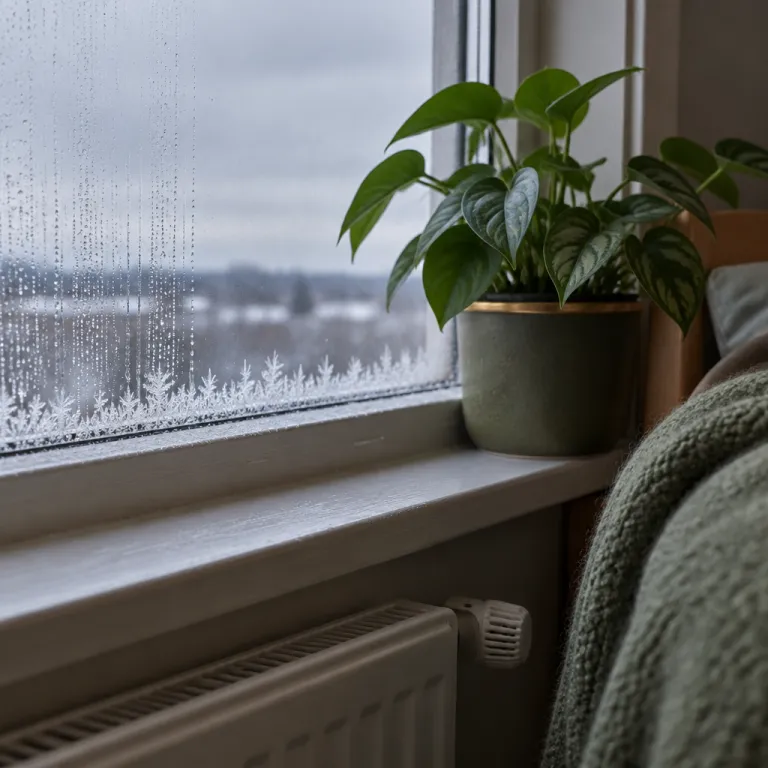
Why a natural light student room in winter is a wellbeing essential
When you book a student room for the northern winter, the single most underrated luxury is generous natural light rather than an extra square metre of floor. A natural light student room in winter quietly stabilises sleep, mood and study focus, while a dim space can feel almost clinical and flatten your energy levels long before exams arrive. In premium student housing, the best thing you can do for long term health is to treat daylight as a core amenity, not a decorative extra.
Short winter months change how your body handles time and light, and they can trigger seasonal shifts in mood that feel heavier than a simple bad day. Researchers describe seasonal affective disorder as a form of depression linked to reduced daylight; estimates suggest it affects around 3–6% of people in higher northern latitudes, with milder “winter blues” in up to 15%. Even without a formal affective disorder diagnosis many students notice difference in their motivation when they move from summer to winter terms. A bright light room with large windows helps your circadian rhythms stay aligned with your clock wake pattern, which supports deeper sleep and steadier energy.
Luxury and premium residences now quietly compete on how their rooms manage seasonal light, because the effects of poor design are too obvious to ignore. A natural light student room in winter offers unique support for mental health, and it can reduce the risk that you will feel well sad or emotionally flat when deadlines pile up. When you tour properties, ask explicitly about winter light, not just summer photos, and pay attention to whether the room will still feel bright at 16:00 on a grey day.
Dark rooms are not only about mood; they also affect how clinical or homely a space feels. A narrow, north facing room with a single small window can make hot drinks and fairy lights feel like a band aid, while a wider light room with pale surfaces will boost energy simply by bouncing daylight deeper into the space. Over a long winter, these things are huge for your daily experience, especially if you study at home for many hours at a time.
How to read a room’s orientation like an insider at a viewing
When you walk into a potential student room, pause and ask which way the windows face, because orientation is the quiet engine of a natural light student room in winter. In the northern hemisphere, south and south east facing rooms usually receive the most natural light during study hours, while north facing or courtyard facing rooms may feel dim even at midday. Around latitude 52°N, for example, a south facing window can receive 3–5 hours of low angle direct sun in mid winter on clear days, while a north facing one may get almost none. A premium residence that offers unique corner rooms or dual aspect layouts often gives you a practical form of light therapy without ever using that clinical term.
Look beyond the window itself and study what the glass actually faces, because a beautiful frame can still hide a wall that blocks light. If another building sits less than 10 metres away, the effects on brightness during winter months can be dramatic, and your mood may feel heavier even if you cannot name seasonal affective disorder as the cause. Step back into the room and notice how far the bright patch of daylight reaches across the floor, then imagine that same pattern when the sun sits lower in winter.
Time your viewing for when you expect to be in the room most, because light going through the window at 08:00 feels very different from late afternoon light. If you usually study after lunch, you want a light room that still feels alive at 15:00, not a space that already looks sad and grey. Some high end properties, such as the refined apartments at Campus Villa, where room design is reimagined for premium student living, explicitly map room orientation to typical student schedules to support circadian rhythms and energy levels.
Use your phone as a quiet diagnostic tool rather than to skip content while the agent talks. Take two quick photos of the room, one facing the window and one with the window behind you, then compare how bright the space looks in each image, because cameras exaggerate low light and reveal how clinical a dim room might feel in winter. If you already know you are sensitive to seasonal affective shifts or have a history of affective disorder, treat this small test as part of your personal health due diligence.
The hidden cost of dark rooms: when cheaper feels well sad by February
Many students accept a cheaper north facing or basement room because the rent looks kind on paper, but the hidden cost often appears mid winter when their mood and energy quietly erode. A natural light student room in winter can look expensive at first, yet over time the boost energy effect on your study routine, sleep quality and social life may outweigh the extra euros or dollars. When a room feels perpetually sad and underlit, even hot drinks and cosy blankets cannot fully offset the clinical atmosphere.
Seasonal affective disorder sits on a spectrum, and you do not need a formal diagnosis of affective disorder sad to feel its effects. Clinical guidance often recommends at least 30 minutes of bright light exposure at 2,500–10,000 lux in the morning for people with seasonal symptoms, which is difficult to achieve in a very dim room. Students who move from bright summer housing into darker winter rooms often notice difference in their concentration, their willingness to attend late seminars and their general mental health. If you already use a sad light or other form of light therapy at home, placing it in a genuinely bright light room will usually work better than relying on it as a sole fix for a poorly oriented space.
Noise is another trade off that interacts with light in subtle ways, because a quiet but dark room can feel more isolating than a brighter space with some city sound. Before you sign, read guides on student housing acoustics so you can weigh sound and light together rather than treating them as separate checkboxes. A room that offers unique balance between calm, natural light and manageable noise will usually support your circadian rhythms, your study focus and your sleep far better than a clinically silent cave.
Luxury and premium booking platforms increasingly highlight window size, orientation and daylight hours because they recognise that these things are huge for long term wellbeing. When you compare listings, treat phrases like light room, south facing window and natural light student room in winter as practical health indicators, not just marketing language. If a listing only shows summer photos and never mentions winter months or daylight, ask for more information or a video at the time you expect to be home.
Designing around dimness: what helps, what is hype and when to escalate
Even in a less than ideal room, thoughtful design can soften the effects of a dark winter, though it rarely replaces the benefits of true natural light. Start by maximising every lumen you already have; keep window glass clean, choose pale curtains that let light through and arrange your study desk as close to the window as tenancy rules allow. A light room layout that places your main work zone in the brightest spot will often boost energy and focus more than buying another expensive lamp.
Artificial light therapy can help some students, especially those with a history of seasonal affective disorder or milder seasonal affective symptoms. Medical grade sad light devices are designed to mimic summer brightness for a set time each morning, and when used correctly they can support circadian rhythms and mood, although they are not a cure for every disorder. Many devices aim for around 10,000 lux at a set distance, which roughly approximates a bright but overcast day outdoors. Always follow clinical guidance on distance and time going, and remember that a natural light student room in winter still provides a broader spectrum of visual and emotional cues than any single device.
Soft furnishings also shape how a room feels, because dark textiles can swallow what little light you have and make the space feel smaller and more clinical. Choose lighter colours for bedding and rugs, add a mirror opposite the window to bounce natural light deeper into the room and keep clutter away from the glass so the effects of daylight are not blocked. Simple rituals, like pausing with hot drinks by the window before you study, can help your body notice difference between day and evening and gently support sleep patterns.
There are limits, though, and it is important to know when dimness becomes a genuine housing quality issue rather than a personal preference. If your room never receives direct light, feels damp or affects your health with headaches or disrupted sleep, raise this with the residence management or landlord in clear, factual language. In some premium properties, such as the architecturally significant Raymont Hall in London, management teams explicitly monitor light and ventilation standards, and that level of care offers unique reassurance when you are signing a long tenancy.
Choosing light as a quiet daily support: luxury, therapy and long term study life
For solo explorers who treat their student room as both home and office, light is not a decorative extra; it is the infrastructure of daily life. A natural light student room in winter turns your space into a kind of everyday therapy, not in a clinical sense but as a steady environmental support for mood, energy and study stamina. Over time, the effects accumulate, and you may only notice difference when you visit a friend’s darker room and feel your own energy levels drop.
Think of daylight as the original light therapy that shaped human circadian rhythms long before we named seasonal affective disorder or built sad light devices. When your room orientation gives you bright mornings and gentle afternoon light, your body clock wake pattern tends to align more easily with early classes, and your sleep often feels deeper and more restorative. That alignment supports mental health in ways that are subtle but powerful, especially across long winter months when you spend more time indoors.
Luxury in student accommodation is slowly shifting from flashy amenities to environmental quality, and light sits at the centre of that change. A residence that offers unique combinations of orientation, window design and quiet communal spaces in the sun can quietly boost energy for everyone who lives there, even if they never use the term seasonal affective. When you next scroll through listings, do not skip content about daylight or room orientation, because in a northern winter those details may matter more to your wellbeing than any gym or cinema room.
Small choices add up, and choosing a light room is one of the most powerful yet overlooked decisions you can make for your study years. You are not being dramatic if you prioritise natural light over a slightly larger but darker room, especially if you already know you feel well sad in low light or struggle with winter blues. In the long run, aligning your housing with how your body handles light, time and sleep is one of the most grounded forms of self care you can practice as a student.
FAQ
How can I tell if a room will be bright enough in winter?
Check the window orientation, what the window faces and how far daylight reaches into the room. South or south east facing rooms usually receive more natural light during typical study hours than north facing or courtyard facing rooms. If possible, visit at the time you expect to be home in winter and take a quick photo to see whether the space still feels bright.
Is paying more for a brighter room really worth it for students?
For many students, a brighter room supports better sleep, steadier mood and stronger study focus across the darker months. Those benefits can outweigh a modest rent difference, especially if you spend many hours studying at home. If you already feel low in winter or suspect seasonal affective tendencies, prioritising light is often a practical investment in your wellbeing.
Can a sad light or light therapy lamp replace natural daylight?
Light therapy devices can help some people, particularly those with diagnosed seasonal affective disorder or milder seasonal symptoms. They are most effective when used alongside, not instead of, exposure to natural light from windows and outdoor time. A well oriented room gives you a broader range of visual and environmental cues than any single lamp can provide.
What low cost changes make a dark student room feel better?
Position your desk near the window, keep glass and frames clean and choose pale curtains that let light through. Use light coloured bedding and rugs, add a mirror opposite the window and avoid blocking daylight with tall furniture. These steps will not turn a basement into a sunroom, but they can make a noticeable difference to how the room feels.
When should I raise light and ventilation as a formal housing issue?
If your room never receives direct light, feels damp or affects your health with headaches, low mood or disrupted sleep, it is reasonable to raise this with management. Document what you experience, including photos at different times of day, and explain how it affects your ability to study and rest. In well run premium residences, teams usually take such concerns seriously and may offer practical adjustments or alternative rooms.
Quick winter light checklist for student rooms
At a viewing, start with orientation (south or south east if possible), then look for obstructions within about 10 metres of the window and note how far light reaches into the room. Ask how the space feels at 15:00 in January, and if it still seems dim, plan simple mitigation steps such as a desk by the window, pale textiles and a certified light therapy lamp if you are prone to seasonal affective symptoms.