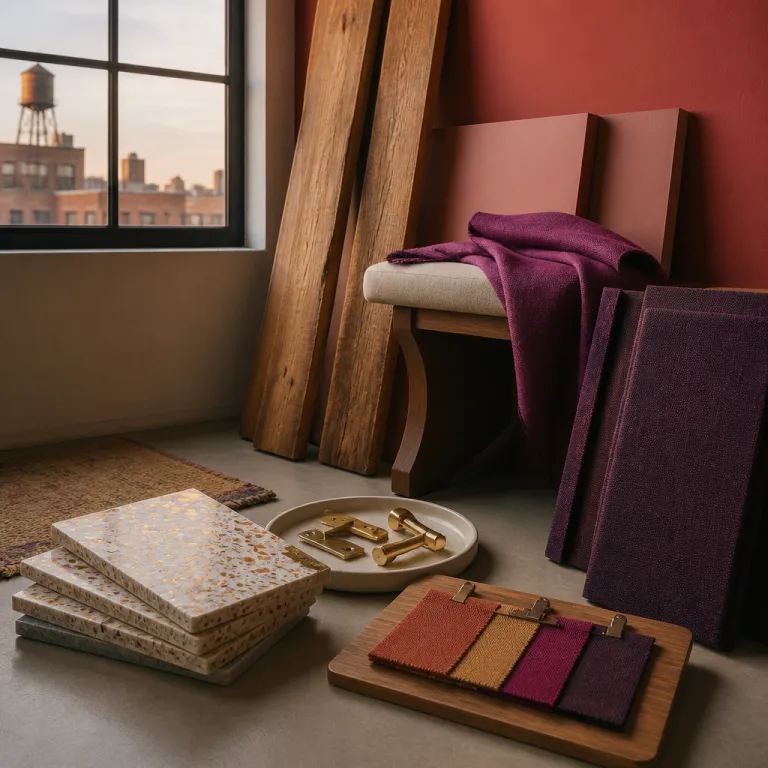
Hunter university dorms reimagined as refined city living
Hunter university dorms sit at the intersection of academic focus and urban sophistication. For a college student who wants more than basic student housing, these residences in New York City offer a curated balance of privacy, shared community, and premium amenities. You are not just choosing a room near a university; you are choosing a place to stay that shapes your academic year and daily living.
Hunter College works with specialist partners to provide limited but carefully managed housing options across the east side of New York City. The Brookdale campus, the 51st Street residence, and the 79th Street residence each bring a distinct room type mix, from compact shared layouts to more private configurations with an ensuite bathroom or a shared bathroom. With only a small percentage of students in on campus housing, every application to Hunter housing carries weight and demands early planning from serious students.
These hunter university dorms are embedded in the fabric of the city university system, with CUNY Hunter students benefitting from proximity to both academic buildings and public transport. You can walk from many rooms to Midtown East lecture halls, or reach other CUNY and City University of New York sites by subway within minutes. For a college student arriving from high school or another university campus in New York, this density of amenities and transport is a decisive advantage over more isolated housing options.
Addresses, neighbourhoods, and the feel of each residence
Each Hunter College residence has a precise New York City address that shapes its character. Brookdale on East 25th Street offers a more traditional campus style cluster of student housing, while the 79th Street residence on East 79th Street places you in a calmer residential pocket of the east side. The 51st Street residence, positioned closer to Midtown East, brings you nearer to corporate towers, cultural venues, and a faster city rhythm.
When you evaluate hunter university dorms, think beyond the room and consider the daily walk, the noise levels, and the surrounding public spaces. A residence near east side corridors with heavier traffic may feel more energetic but less restful for intense academic work. By contrast, a quieter block can support a more focused academic year, especially for students in demanding programmes at Hunter College or other CUNY Hunter departments.
Distances in New York City are best understood in minutes rather than metres, yet the metric system still helps you visualise scale. Expect typical walks of several hundred metres between many hunter university dorms and key Hunter College buildings, depending on your room type and chosen residence. This compact radius allows students to move quickly between living spaces, libraries, and public transport, which is crucial during busy exam periods.
Room design inspirations for elevated student living
Room design in hunter university dorms has evolved from purely functional layouts to more refined, lifestyle oriented spaces. Even within compact square metre counts, thoughtful zoning can separate sleeping, study, and shared social areas in a single room. For students in double deluxe or other shared room types, this zoning is essential to maintain privacy and academic focus.
Start by treating your room as a flexible studio rather than a basic college dorm. A slim desk placed near natural light supports long academic sessions, while a comfortable chair and layered lighting create a more premium feel without breaching residence guidelines. In shared rooms, use low shelving or fabric panels to subtly divide the space, so each student has a defined micro zone within the same room type.
Bathrooms in hunter university dorms also influence design decisions, whether you have an ensuite bathroom or a shared bathroom down the corridor. When you share a bathroom, invest in compact storage solutions and clear labelling to keep products organised and reduce friction between students. If you are fortunate enough to secure an ensuite bathroom, consider spa inspired touches such as neutral textiles and coordinated containers to elevate the daily routine.
Biophilic touches and calm in the middle of New York City
Bringing nature into hunter university dorms is not only an aesthetic choice; it is a strategy for mental balance in a dense city. Small potted plants that tolerate low light, such as snake plants or pothos, can thrive in east facing windows common in many Hunter housing layouts. These biophilic elements soften the harder lines of standard student housing furniture and create a more tranquil atmosphere for study.
When you plan your décor, focus on a restrained palette that reflects the light conditions of your specific residence, whether at Brookdale, 51st Street, or 79th Street. A calm base of whites and soft neutrals, layered with one or two accent colours, helps even a compact shared room feel more spacious. For deeper guidance on when green walls and plant features genuinely work in student housing, explore this analysis of biophilic design in student housing.
Lighting is another powerful design tool in hunter university dorms, especially in Midtown East locations where external light can be intense by day and neon bright at night. Layer a primary ceiling light with a focused desk lamp and a warm bedside lamp to create different moods for academic work, relaxation, and shared social time. This approach works equally well in single rooms, double deluxe layouts, and more compact shared configurations across the Hunter College portfolio.
From application to move in: navigating premium hunter housing
Securing a place in hunter university dorms begins long before you pack your suitcase. Hunter College opens its housing application window months ahead of the academic year, and demand consistently exceeds the number of beds available. Because only a small proportion of the total student population can access on campus student housing, timing and preparation are critical.
The process usually starts on the Hunter College portal, where you complete an online application and fill the form with accurate academic and personal information. You will be asked to indicate preferred housing options, such as Brookdale, 51st Street, or 79th Street, and sometimes to rank room types like shared rooms, single rooms, or double deluxe layouts. Eligibility typically focuses on full time, matriculated students who meet minimum academic standards, so your university record directly influences your housing prospects.
Because housing is not guaranteed, many students also research short term alternatives near university campuses in New York while waiting for decisions. Some choose premium private residences in Midtown East or other east side districts as a backup place to stay, especially if they are international students or arriving from high school abroad. This dual strategy reduces stress and ensures you have a realistic plan whether you receive a Hunter housing offer or need to pivot to external housing options.
Virtual tours, checklists, and reading the fine print
Before you commit to any hunter university dorms, invest time in understanding the exact room type and amenities on offer. Many housing operators now provide high quality virtual tours that show real layouts, shared bathrooms, and ensuite bathroom configurations, which helps you avoid surprises on arrival. For a refined overview of how to evaluate these visuals, consult this guide to an apartment virtual tour for luxury student rooms.
Once you receive a housing offer from Hunter College or its partners, you will be required to sign a license agreement within a short period, often just a few days. Read every clause carefully, paying attention to the academic year dates, payment schedule, cancellation policies, and any rules about room customisation or shared space usage. This is especially important for college students considering short term stays, summer sessions, or mid year arrivals who may face different conditions from standard academic year residents.
As you prepare to move, create a detailed checklist that covers both essentials and premium touches for your new room. A structured list helps you balance practical items such as bedding, storage, and study equipment with design elements that elevate daily living, such as textiles and lighting. For a comprehensive planning tool tailored to elevated student living, review this curated first college apartment checklist before finalising your purchases.
Shared, single, and double deluxe: choosing your ideal room type
Room selection within hunter university dorms is about more than price; it is about how you live and study. Shared rooms remain the most common configuration in student housing, offering a social environment and a lower cost per academic year. Single rooms and double deluxe layouts, when available, provide more privacy and space but are usually more competitive and expensive.
In a shared room, you will coordinate daily routines with one or more students, from sleep schedules to study habits. This can be energising for some college students, especially those arriving from high school who value constant company and peer support. However, if you are sensitive to noise or follow an intense academic schedule at CUNY Hunter, a quieter room type such as a single or double deluxe may better support your performance.
Bathroom arrangements also shape the experience of hunter university dorms, whether you share a bathroom with a corridor or enjoy an ensuite bathroom. Shared bathrooms require clear etiquette, from cleaning rotas to storage rules, to maintain harmony among students on the same floor. Ensuite bathrooms offer more control and privacy, which many residents in Midtown East and other premium locations consider worth the additional cost.
Balancing budget, privacy, and location
When you compare housing options at Hunter College, consider three axes simultaneously: budget, privacy, and location. A shared room at Brookdale on East 25th Street may offer a more affordable entry point into hunter university dorms, with a strong sense of community and easy access to public transport. A single room in the 79th Street residence on East 79th Street might cost more per academic year but provide a calmer environment and a different slice of New York City life.
Location within the city university ecosystem also matters, especially if you attend classes across multiple CUNY or New York university sites. Students based mainly at the main Hunter College campus near Lexington Avenue may prioritise Midtown East or nearby east side residences to minimise commute times. Those with placements or internships in other parts of New York City might accept a slightly longer walk to class in exchange for being closer to their professional activity.
Ultimately, the right room type in hunter university dorms is the one that aligns with your academic goals, social preferences, and financial realities. Take time to map your weekly schedule, including classes, study hours, and public transport journeys, before ranking your housing options. This structured approach ensures that your chosen place to stay supports, rather than competes with, your ambitions at Hunter College and beyond.
Designing a premium study sanctuary in a compact footprint
Transforming a standard room in hunter university dorms into a premium study sanctuary is entirely achievable with careful planning. Start by measuring your space in metres and sketching a simple floor plan that shows doors, windows, and fixed furniture. This gives you a clear framework for positioning your desk, bed, and storage without blocking natural light or the flow of movement.
Prioritise your study zone, since academic performance is the core reason for choosing student housing close to Hunter College. Place your desk near a window if possible, using sheer curtains to diffuse strong east facing light in residences along east side corridors. A high quality chair, adjustable lamp, and well organised shelving can transform even a modest corner into a professional grade workspace suitable for long academic sessions.
Storage is the silent hero of refined hunter university dorms, especially in shared rooms where every centimetre counts. Use vertical solutions such as wall mounted shelves and over door organisers to free floor space and keep the room visually calm. Under bed storage boxes are ideal for seasonal clothing or extra bedding, which is particularly useful for students staying through the full academic year in New York City.
Textiles, colour, and acoustic comfort
Soft furnishings play a crucial role in elevating both comfort and acoustics in hunter university dorms. A high quality rug not only warms the floor but also absorbs sound, which is valuable in shared rooms or corridors with frequent foot traffic. Layered textiles on the bed, such as a duvet, throw, and cushions, add visual depth without requiring major investment.
Colour strategy should reflect both your personality and the intensity of New York City outside your window. Neutral walls and larger pieces, combined with controlled accents in art or cushions, prevent visual fatigue during long study periods. This approach works particularly well in Midtown East residences, where external stimuli are already high and students need an interior that calms rather than competes.
For students in hunter university dorms with shared bathrooms, consider how textiles extend into that space through towels and storage bags. Coordinated colours and clear labelling reduce confusion and create a more harmonious shared environment among students on the same floor. In rooms with an ensuite bathroom, matching textiles between the main room and bathroom can subtly tie the spaces together and reinforce a premium, hotel like continuity.
Community, safety, and life beyond the room
While room design is central, the wider ecosystem of hunter university dorms shapes your daily experience just as strongly. Communal lounges, study rooms, and shared kitchens become extensions of your private room, offering spaces to collaborate, relax, and meet other students. In well managed student housing, these shared areas are designed to encourage interaction while still respecting the need for quiet academic work.
Hunter College and its housing partners typically implement structured safety measures, from controlled entry systems to on site staff and clear guest policies. For many college students and their families, especially those arriving from high school or from abroad, this framework offers reassurance in a large public city like New York. It also differentiates hunter university dorms from more anonymous private rentals scattered across New York City, where support may be minimal.
Community events within hunter university dorms, such as study groups, cultural evenings, or wellness workshops, can significantly enrich your academic year. These activities help students build networks beyond their immediate course or New York university cohort, which is particularly valuable in a diverse city university environment. Over time, the relationships formed in shared kitchens and lounges often become as important as the room itself in defining your experience of Hunter housing.
Transport, daily routines, and the rhythm of New York City
Location within New York City determines not only your commute but also your daily rhythm in hunter university dorms. Residences on East 25th Street, East 51st Street, and East 79th Street each connect to different subway lines and bus routes, shaping how you move between classes, internships, and social activities. Many students choose to walk several hundred metres to nearby stations rather than rely on transfers, balancing time, cost, and physical activity.
Public transport access is especially important for CUNY Hunter students who attend classes across multiple sites or engage with the broader City University of New York network. A residence in Midtown East may shorten journeys to certain campuses or professional districts, while Brookdale might better serve those whose academic life is concentrated near the medical or health sciences facilities. Understanding these patterns before you select a place to stay ensures that your housing supports, rather than complicates, your schedule.
Practical routines such as grocery shopping, laundry, and fitness also depend on the surrounding amenities of hunter university dorms. Proximity to supermarkets, parks, and gyms can significantly enhance your quality of living during the academic year, especially when deadlines intensify. When you evaluate housing options, walk the neighbourhood at different times of day to gauge safety, noise, and the overall atmosphere you will call home.
Key figures and context for hunter university dorms
- Hunter College enrols tens of thousands of students, yet only a small fraction can access on campus student housing, which makes hunter university dorms highly competitive and reinforces the need for early applications.
- The Brookdale campus provides a limited number of beds compared with total student demand across CUNY Hunter and the wider City University of New York system, so spaces fill quickly each academic year.
- Housing costs at the 79th Street residence sit in a mid to upper tier range compared with many private rentals in comparable east side neighbourhoods, reflecting both location and included services.
- Application timelines usually open several months before the academic year, with priority deadlines in early spring and rolling decisions thereafter, so students who plan ahead have a clear strategic advantage.
- Hunter College has announced plans to transition from Brookdale to new 51st Street dorms, signalling an institutional commitment to modernising hunter university dorms and enhancing the long term student living experience in New York City.
Frequently asked questions about hunter university dorms
What housing options does Hunter College offer for students?
Hunter College currently offers student housing through several key residences, including the Brookdale campus, the 51st Street residence, and the 79th Street residence on the east side of New York City. Each location provides a different mix of room types, from shared rooms to more private layouts, with varying amenities and price points. Availability is limited, so students should rank multiple housing options when they fill the form on the Hunter housing portal.
How competitive is it to secure a room in hunter university dorms?
Competition for hunter university dorms is intense because the number of beds is small compared with the total Hunter College student population. Only a modest percentage of students can be accommodated in on campus or affiliated housing each academic year, and demand is particularly strong among first year and international students. Applying as soon as the housing portal opens and maintaining strong academic standing both improve your chances of receiving an offer.
Who is eligible to apply for Hunter College student housing?
Eligibility for Hunter housing generally focuses on full time, matriculated students who meet minimum academic requirements set by the university. Priority may be given to certain groups, such as first year students, out of state residents, or those with specific academic programmes that benefit from proximity to campus. Prospective residents should always consult the latest criteria on the official Hunter College housing website before they submit their application.
What is the typical cost of hunter university dorms per academic year?
Costs vary by residence and room type, and pricing is reviewed periodically by Hunter College and its housing partners. Shared rooms usually sit at the lower end of the price range, while single rooms and double deluxe layouts command higher rates. Students should compare current figures on the official housing pages with private rentals in Midtown East and other east side districts to understand the overall value of hunter university dorms.
Are hunter university dorms suitable for short term or summer stays?
Some Hunter College housing options may offer short term or summer accommodation, but availability is more limited than during the main academic year. Short term stays often have different pricing structures and conditions, so college students should read license agreements carefully before committing. Those who cannot secure short term places in hunter university dorms frequently look to premium private residences near New York university campuses as an alternative.