From minimum compliance to genuinely accessible student accommodation
Accessible student accommodation for disability support starts long before move in day. Legal frameworks such as the ADA in the United States set a floor, not a ceiling, for what universities and private providers must offer to students with disabilities. Luxury and premium purpose built student accommodations promise more than that floor, yet the gap between glossy marketing and real access can still shape a student’s major life activities every single day.
Under the ADA, postsecondary institutions and affiliated housing providers must ensure equal access to housing for any student with a documented disability. That means accessible accommodations provided on a comparable basis to standard rooms, not segregated or inferior options hidden at the back of the building. It also means that individuals with disabilities must be able to use the same entrances, lifts, communal kitchens and study lounges as other students, with auxiliary aids and services where needed to make that access meaningful.
Premium residences often highlight step free lobbies, wide corridors and a compliant testing center for on site exams, but accessible student accommodation disability support goes far beyond the entrance. A person with a disability may need adapted bathrooms, reachable storage, visual alarms, or sign language interpretation for fire drills and community meetings. When you evaluate accommodations, ask how the residence works with the university accessibility office and disability services team to coordinate housing accommodation, testing accommodations and any aids or services that support both living and learning.
Inside the room: adapted layouts, adaptable design and daily living
Once you pass the lobby, the real test of accessible student accommodation disability support begins at the apartment door. In luxury student housing, the best layouts treat accessibility as a design language, not an afterthought bolted onto a standard room. Look for accommodations where the circulation space, storage and kitchen are planned around students with disabilities from the first sketch, not retrofitted after complaints.
Marketing language can be slippery, so learn the difference between an adapted room and an adaptable room in any premium accommodation. An adapted room already includes features such as roll in showers, grab rails, lowered counters and reachable controls, while an adaptable room is structurally prepared for those features but may require time and work to install them. If you are a student with a disability, you should ask whether your specific accommodation will be delivered fully adapted on arrival, or whether the residence relies on future adjustments that could delay your access to essential services.
Shared kitchens and lounges deserve the same scrutiny, especially in co living style layouts that dominate high end student residences. Before you sign, study how the shared kitchen is zoned, and use resources like this guide to co living floor plans and kitchen usability to benchmark what good looks like for students with disabilities. Ask whether a person with a disability can safely reach the hob, sink and fridge, whether there is clear knee space under worktops, and whether the accommodations provided include visual cues, tactile markings and quiet zones that support individuals with disabilities who have sensory or cognitive needs.
Bathrooms, circulation and emergency routes that actually work
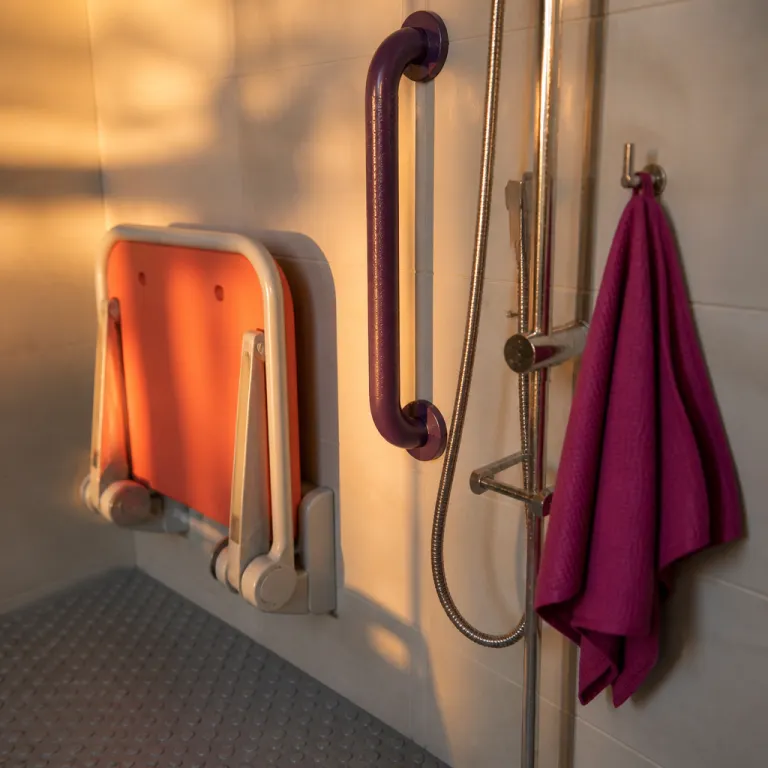
In premium accessible student accommodation, the bathroom is often where disability support either shines or fails. A genuinely accessible bathroom for a student disability profile will offer level entry showers, stable grab bars, adjustable shower heads and enough turning space for mobility aids, not just a token wider doorway. For students with disabilities who share apartments, clear circulation routes between bedroom, bathroom and kitchen matter as much as the fixtures themselves.
Look closely at how the residence handles emergency evacuation for individuals with disabilities, because this is where many institutions quietly fall back to minimum compliance. Ask to see the refuge areas, evacuation chairs and visual alarm systems, and request written confirmation of how Residence Life Staff and security teams are trained to assist a person with a disability during a fire alarm or power outage. In high rise student towers, you should also ask whether the building has backup power for lifts, how long that backup will last, and how often the evacuation plan is tested with real students with disabilities rather than just staff.
Thoughtful circulation design also supports students with neurodivergent disabilities who may be overwhelmed by noise, glare or crowding in narrow corridors. Some of the best new premium residences borrow ideas from projects like Hoover and Greene in Ann Arbor, where elevated student living floor plans show how wider hallways, clear sightlines and acoustic zoning can make movement calmer for everyone. When you tour, pay attention to how your body feels as you move through the building, because that lived experience will matter more than any accessibility icon on the website.
Working with university disability services and accessibility offices
Even in privately operated luxury residences, the university accessibility services team is your most important ally. On many campuses, University Accessibility Services act as the coordinator for both academic testing accommodations and housing accommodation requests, ensuring that students with disabilities receive consistent support across lectures, exams and daily living. Their office will usually manage the application process, documentation review and interactive meetings that translate a diagnosis into concrete accommodations provided in both classrooms and residences.
When you contact the accessibility office, be specific about how your individual disability affects your housing needs, not just your course materials or exams. A student with a disability that impacts mobility might need a room near lifts and accessible parking, while another person with a disability related to sensory processing may need a quieter stack away from communal bars or gyms. For students transitioning from high school special education plans to university life, early transition planning with disability services can bridge the gap between school based supports and the more self directed systems at postsecondary institutions.
Universities, residence life staff and housing departments often work together with health services to deliver customized solutions for diverse needs, but they rely on timely, detailed information from students with disabilities. Many institutions now use interactive meetings rather than one way forms, which gives individuals with disabilities the chance to explain how their disability affects major life activities such as sleeping, cooking and studying. To keep everyone aligned, ask for a written summary of the accommodations provided, including any auxiliary aids and services, extended time for relocating during maintenance, or priority access to alternative rooms if your current accommodation becomes unusable.
Noise, light and sensory design for neurodivergent students
Accessible student accommodation disability support is not only about ramps and grab bars. For many students with disabilities related to autism, ADHD, anxiety or chronic pain, sensory design can make the difference between thriving and barely coping. Luxury residences that understand this will treat lighting, acoustics and spatial zoning as core accessibility features, not optional extras for wellness marketing.
Start with noise, because it is the invisible barrier that most glossy brochures ignore. Ask about wall construction, floor coverings and door seals, and then cross check those answers with independent guidance such as this deep dive into student housing acoustics and noise questions to ask at viewings. For students with disabilities who are sensitive to sound, access to quiet study rooms, calm lounges and a testing center with proper acoustic treatment can be as important as extended time or other testing accommodations during exams.
Lighting control is just as critical, especially for individuals with disabilities who experience migraines, sensory overload or visual impairments. Look for accommodations where you can adjust brightness and color temperature, where blackout blinds are standard, and where emergency lighting will not flood your room all night. Ask whether the residence offers any aids or services such as tactile signage, high contrast wayfinding or visual alerts, and whether sign language interpretation is available for key community meetings so that deaf students with disabilities can fully participate in residence life.
Questions to ask on a viewing that reveal real commitment
A polished accessibility statement on a website will never tell you how it feels to live in a building. During viewings, your questions are your best testing tool for separating box ticking from genuine accessible student accommodation disability support. Aim for questions that force staff to describe specific practices, not just repeat policy headlines.
Start with the basics of how accommodations are requested, implemented and reviewed over time. Ask the residence team to walk you through a real example of how a student with a disability requested a housing accommodation, how long the process took, and which offices or services were involved. You can also quote the university’s own guidance during these conversations, for example by asking staff to explain how they work with accessibility services when you say, “Submit an application with supporting documentation to accessibility services.”
Then move to scenario based questions that reveal how the residence handles individuals with disabilities in everyday situations. What happens if the lift fails and a person with a disability on an upper floor needs to reach a class or testing center on time for exams ? How does the building coordinate with state and local fire authorities on evacuation plans for students with disabilities, and how often are those plans tested with real residents rather than just staff ? Ask whether there is a named contact in Residence Life Staff for disability related issues, and whether that person has the authority to arrange alternative accommodations, auxiliary aids or temporary aids and services when something in your current accommodation stops working.
When accessibility fails: documenting, escalating and getting results
Even in the most polished premium residences, accessibility can fail in practice. A door opener breaks and is not repaired for weeks, a promised accessible bathroom turns out to be too tight for a wheelchair, or noise from a rooftop bar makes sleep impossible for a student with a disability. When that happens, your response should be structured, documented and persistent.
Start by documenting every issue with dates, photos and clear descriptions of how it affects your major life activities such as sleeping, cooking, studying or reaching the testing center on time. Send this information to both the residence management and the university accessibility office, copying disability services so that all relevant institutions are aware of the impact on students with disabilities. Refer back to any written agreements about accommodations provided, including auxiliary aids and services, extended time for moves, or priority access to alternative rooms, and ask for a clear timeline for remediation.
If the response is slow or inadequate, escalate through formal complaint channels at both the university and, where relevant, state and local regulatory bodies that oversee housing and ADA compliance. Students transitioning from high school special education systems may find this self advocacy daunting, so lean on accessibility services, health services and student unions for support, especially when multiple individuals with disabilities are affected by the same failure. Over time, consistent reporting and pressure from students with disabilities and their allies can push postsecondary institutions and private operators to move beyond minimum compliance and towards accessible student accommodation disability support that genuinely respects every individual disability profile.
Key figures on accessible student accommodation and disability
- According to the National Center for Education Statistics, around 95% of universities report offering some form of accessible housing for students with disabilities, yet the quality and scope of those accommodations vary widely between institutions.
- University accessibility teams consistently report that early contact from students with disabilities, ideally several months before the academic year, significantly increases the likelihood that customized housing accommodations can be implemented on time.
- Across many campuses, the integration of universal design principles in new student housing developments has grown steadily, reflecting increased demand from individuals with disabilities who expect accessibility to be built in rather than retrofitted.
- Institutions that coordinate housing accommodation through a central accessibility office, rather than leaving it to separate residence managers, tend to report higher student satisfaction and retention among students with disabilities.
Frequently asked questions about accessible student accommodation and disability support
How do I apply for housing accommodations as a student with a disability ?
Most universities ask you to submit medical or psychological documentation to their accessibility services office, which then reviews your request and issues a formal housing accommodation letter. You usually share that letter with the housing department or residence provider so that specific accommodations can be implemented in your room or apartment. Starting this process early gives the university and any partner institutions enough time to coordinate accessible rooms, auxiliary aids and other services before you arrive.
What types of accommodations are typically available in student housing ?
Common accommodations include step free access, adapted bathrooms, visual and vibrating alarms, lowered counters, and proximity to lifts or accessible parking. Some residences also offer assistive devices, such as door openers or adjustable desks, and can modify facilities to support individual disability needs. In many cases, these housing accommodations are coordinated alongside academic testing accommodations so that your living and learning environments work together.
Can I get extended time or quiet space for exams in my residence building ?
Extended time for exams is usually arranged through the university’s testing center or academic departments, not directly through your residence. However, some premium student accommodations include dedicated study rooms or proctored spaces that the university can reserve for testing accommodations when needed. Ask both the accessibility office and residence management whether such spaces exist and how they are booked for students with disabilities.
How do university disability services support my transition from high school special education plans ?
When you move from high school to college or university, your legal framework and responsibilities change, so transition planning is crucial. Disability services teams can help translate your high school special education or 504 plans into a new set of accommodations that fit postsecondary institutions, including housing, course materials and testing accommodations. They will usually meet with you to discuss how your disability affects major life activities and then issue recommendations for both academic and housing accommodations.
Are service animals and sign language interpreters allowed in student housing ?
Service animals are generally permitted in student housing when properly documented through the accessibility office, even in buildings that do not usually allow pets. Sign language interpreters are typically arranged for academic settings and key university events, but many institutions will also provide interpretation for important residence meetings or safety briefings when requested. If you rely on either a service animal or sign language, make sure these needs are clearly documented in your accommodation request so that both the university and housing provider can plan appropriate aids and services.