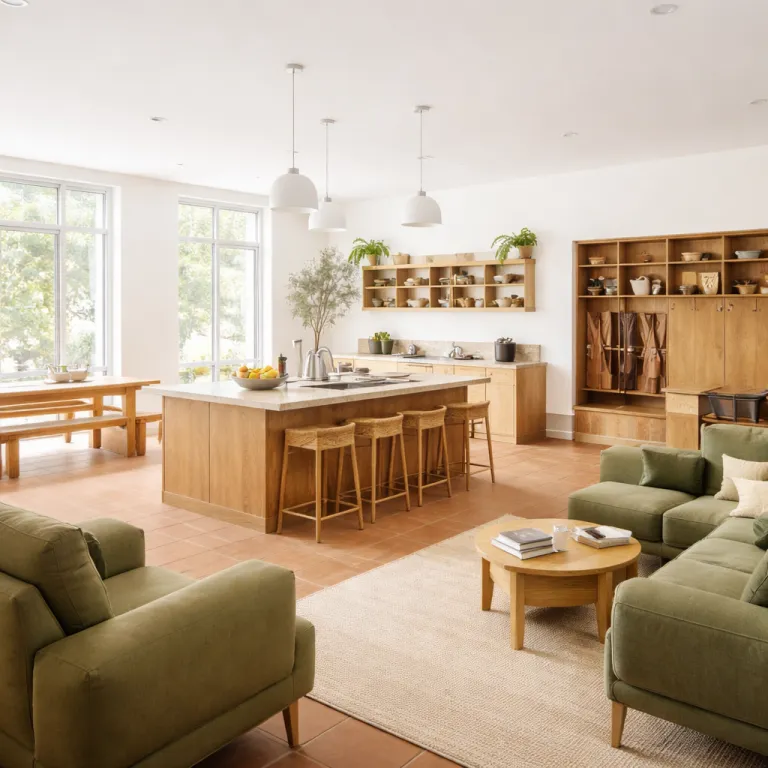
Why the European student halls community starts in the kitchen
Walk into any strong European student halls community and you feel it first in the kitchen. In a continent where student housing shortages are widely reported and surveys from national student unions in countries such as France, Germany and the Netherlands highlight rising housing insecurity, the layout of accommodation is no longer a design afterthought but a tool for student well being and academic success. For anyone quietly scouting premium student accommodation for a child or a partner’s postgraduate stay, the question is simple yet demanding: which residence halls turn shared kitchens and living spaces into the real centre of student life rather than a neglected corridor afterthought.
Across Europe, new student residences and university halls are being shaped by organisations such as the European University College Association (EucA), Xior Student Housing and The Class Foundation, which all treat community as a core facility rather than a bonus. EucA connects university colleges and student affairs professionals, Xior operates dedicated student housing in several European countries, and The Class Foundation publishes research and convenes housing providers to improve the student living ecosystem. Their work sits against data from student housing platforms and national observatories, where many students report considering dropping out because of rent issues, making the quality of student housing and the range of accommodation options a serious academic decision rather than a lifestyle whim. In this context, a luxury or premium student residence is not about marble lobbies but about good layouts, generous shared apartments and shared flats, and a campus or city center location that keeps public transport, study spaces and daily life within easy reach.
For international students and European students alike, the most desirable accommodation in Europe now blends private accommodation comfort with the social density of classic residence halls. The best examples in the European student halls community use kitchens, refectories and cafeterias as architectural anchors that pull students out of their room and into the community at predictable times. This is where student living becomes student life: where a carefully chosen student accommodation option can turn a one year stay into a network of friendships that lasts far beyond campus.
Berlin Wedding: a ground floor kitchen that opens to the street
In Berlin’s Wedding district, a refurbished student residence shows how a single ground floor kitchen can rewire an entire building. The hall sits a short tram or U-Bahn ride from the main Humboldt University and TU Berlin campuses, yet its real magnet is a glass fronted shared kitchen that faces the pavement, so students and local neighbours see each other every evening at eye level. For visitors evaluating premium student housing for a long term stay, this is where you sense whether a residence halls project has been designed for quiet isolation or for a porous community that feels stitched into the city.
On a typical weekday evening, the Berlin kitchen is loud but legible: Erasmus students stir lentils next to German students batch cooking for the week, while a flatmate from Seoul explains a recipe over a laptop balanced between chopping boards. The living spaces around it are deliberately modest, with compact room layouts upstairs and generous shared apartments on the lower floors, which keeps the social gravity on the entry level rather than behind closed doors. You notice how the student housing team has placed laundry, parcel lockers and bike storage beside the kitchen, so every stay related errand passes through the same social core and reinforces the wider student community rather than fragmenting it.
Booking here feels more like reserving a serviced apartment than a dorm bed, with clear online floor plans, transparent pricing and a choice between private accommodation studios or shared flats with two to four students. Typical contracts run for one or two semesters, with application windows opening several months before the start of term and deposits due shortly after acceptance. Guests can usually stay for short visits if registered in advance, while daily student life remains anchored in the communal kitchen and lounge. The feel is closer to a curated co living concept than a traditional student residence, yet the price and proximity remain calibrated for real student budgets rather than luxury tourists, which is exactly what good accommodation in Europe should aim for.
Edinburgh Newington: a former chapel turned dining hall
South of Edinburgh’s city center, Newington’s stone terraces hide a Victorian conversion where a former chapel has become the shared dining room for a compact student residence. The building sits within walking distance of the main University of Edinburgh campus, yet its atmosphere is more collegiate than urban, with stained glass windows now framing long tables where students from medicine, literature and data science share late night tea. For families or partners visiting to assess student accommodation options, the first impression is not the private room but the way this hall’s living spaces make study and social life feel inseparable.
In the evening, the chapel dining room glows with laptop light and low conversation: one corner hosts a statistics study group, another a quiet birthday cake, while a pair of international students video call home from a bench near the old organ. The residence halls layout keeps kitchens small but frequent, so each cluster of rooms shares a compact cooking space that feeds into the main hall, which acts as both cafeteria and common room. This rhythm encourages students to cook in their shared flats or shared apartments, then carry plates into the chapel, where the European student halls community forms around the simple act of eating together under high ceilings.
Booking this Edinburgh student residence is straightforward but competitive, with priority often given to first year students and international students who need a soft landing in a new city. Application deadlines are usually tied to university offer dates, and waiting lists are common for the most characterful buildings. Families planning ahead for a partner’s postgraduate stay quickly learn why early research matters, and why guides on when to book international student accommodation for an academic year can be decisive for securing a place in such distinctive housing. Once confirmed, residents gain access to well maintained facilities, reliable public transport links into the city center and a student living experience where the line between university halls and historic Edinburgh life blurs in the best possible way.
Lisbon Graça and Cambridge: refectories that script daily life
High above Lisbon’s tiled roofs, a Graça area co living tower has become a quiet reference point in the European student halls community for how food can choreograph student life. Here, a double height communal kitchen on the middle floor hosts rotating tenant chefs, so each week a different student or couple leads a low cost dinner for the floor, turning anonymous housing into a rolling series of micro festivals. On a typical Tuesday evening, you might find a law student from the University of Lisbon teaching a risotto class while an architecture student from Berlin sketches floor plans between courses, proving that good living spaces can make a dense residence feel like a generous home.
The tower’s layout keeps private accommodation compact but clever, with each room opening toward shared terraces, study nooks and the main kitchen, which itself opens onto a balcony facing the city. International students praise the way this design softens the shock of arriving in Europe, because the building’s social script is built into the timetable of meals rather than left to chance. Booking is handled through a premium style platform that shows not only room types and facilities but also the weekly calendar of events, typical rent ranges and the minimum stay, so couples and individual students can judge whether the rhythm of student life here matches their expectations for a balanced stay between study and socialising.
In Cambridge, the new sustainable wing at St John’s College, University of Cambridge, takes a different but equally deliberate approach, with a central refectory acting as the social hub around which all student housing circulates. Corridors, staircases and study rooms bend toward this light filled hall, so every trip from room to library passes the same long tables and coffee stations, reinforcing a subtle yet powerful sense of community. The refectory operates on a predictable schedule of breakfasts, lunches and formal dinners during term, which gives both home and international students regular touchpoints with peers and tutors. For readers interested in how high end design can reshape student living, the way this project uses a refectory as an anchor shows how thoughtful circulation patterns can turn student accommodation blocks into genuine neighbourhoods rather than vertical corridors.
Stockholm Södermalm and Paris 13e: cafeterias as courtyards
On Stockholm’s Södermalm island, a compact hall shows how a kitchen can double as a study space without losing its warmth. The main floor holds a long, low ceilinged room where half the tables are wired for laptops and the other half for chopping boards, so in the early evening you see students revising for exams while a couple quietly plates up cinnamon buns at the far end. This hybrid layout suits European students who treat student life as a blend of work and social time, and it suits prospective residents visiting for a quick sense of the atmosphere before committing to a full year stay.
Rooms here are small but bright, with large windows and built in storage that make the most of limited square metres, while the real luxury lies in the shared facilities and the building’s relationship to the city. Public transport stops sit within a few minutes’ walk, and the city center is close enough that international students can move between Stockholm University, internships and the waterfront without long commutes, which is a key metric when comparing accommodation options across Europe. Booking is handled through a clear digital portal, often in partnership with local universities and housing providers such as Xior Student Housing, whose presence across several European countries helps standardise expectations around maintenance, safety and community programming.
In Paris’s 13e arrondissement, a contemporary student residence takes the cafeteria courtyard idea literally, with a ground floor dining space that opens directly onto a planted inner court. In the evening, sliding doors stand open as students drift between tables and benches under small trees, turning what could have been a sealed canteen into an outdoor living room for the entire student residence. Capacity is typically limited to a few hundred residents, so shared meals and recurring events quickly make faces familiar. Here, the European student halls community feels woven into the urban fabric: the city center and campuses such as Sorbonne Nouvelle and Université Paris Cité are a short métro ride away, yet the courtyard’s micro climate of shared meals, casual study sessions and late night conversations gives residents the sense of a village within the metropolis.
How to read architecture when booking premium student accommodation
For couples and families comparing student accommodation across Europe, the thread linking Berlin, Edinburgh, Lisbon, Cambridge, Stockholm and Paris is not décor but the way architecture scripts daily life. A good student residence uses kitchens, refectories and cafeterias as anchors that pull students from their room into the shared spaces at predictable times, which in turn builds a resilient community that supports both study and mental health. When you tour or virtually inspect any student housing, ask yourself where students will naturally cross paths in the early evening, because that is where the real European student halls community either flourishes or quietly fails.
Organisations such as EucA, Xior Student Housing and The Class Foundation have clear, verifiable missions: EucA connects European students and student affairs professionals, Xior provides dedicated student housing in multiple European countries, and The Class Foundation works to advance student housing across Europe through research, conferences and advocacy. These actors, alongside newer community based subletting platforms and municipal housing offices, are pushing universities and private accommodation providers to treat community as a measurable outcome rather than a marketing slogan. For international students and European students navigating accommodation in Europe, this means more residence halls with intentional layouts, better integration with public transport and clearer pathways between university halls, private accommodation and hybrid co living spaces.
When you browse listings, look beyond glossy photos of a single room and focus on floor plans, circulation routes and the placement of shared apartments, shared flats and living spaces relative to study areas and entrances. Pay attention to whether the student residence offers transparent information about facilities, community events, booking windows and partnerships with universities or student organisations, because these details signal whether the building is part of a wider support network or an isolated block of housing. If you treat your search as more than a quick skim of amenities and instead as an assessment of how a building will shape student living and student life, you will be far more likely to choose a student accommodation option that feels like a home in the European student halls community rather than just another address in the city.
FAQ
How early should I research student housing in Europe?
You should start researching student housing as soon as you apply to a university, because the best residence halls and private accommodation options often fill months before term begins. Early research lets you compare different types of student accommodation, from university halls to co living towers, and understand how each one supports community and study. It also gives you time to check public transport links, facilities and contract terms, which is crucial in cities where housing demand is high.
What makes a strong European student halls community?
A strong European student halls community usually grows from architecture that encourages daily encounters in shared spaces such as kitchens, refectories and courtyards. When students naturally cross paths at meal times or while doing laundry, friendships and informal support networks form without forced events. Good management, clear communication and partnerships with organisations focused on student well being reinforce this physical foundation.
How can couples assess premium student accommodation for a partner’s stay?
Couples should look beyond room finishes and focus on how the building supports balanced student life through its layout and services. Check whether there are quiet study areas, generous shared kitchens, reliable public transport connections and guest friendly policies for occasional visits. Reading detailed reviews, asking current residents about noise and support, and visiting at peak times such as early evening can reveal whether the residence feels safe, welcoming and genuinely communal.
Are private student residences better than university halls?
Private student residences often offer newer facilities and more flexible room types, while university halls can provide stronger academic integration and a ready made peer group. The best choice depends on whether you prioritise design, services and privacy or proximity to campus and a traditional student community. Many students now combine both, starting in university halls for the first year and moving to private accommodation or shared apartments later.
What support exists for students struggling with housing in Europe?
Students facing housing insecurity can often turn to university housing offices, local student unions and specialised organisations that focus on student accommodation and community building. Networks such as European student associations and dedicated housing providers work with partners to expand student residences and improve access to safe, affordable options. Reaching out early increases the chances of finding suitable accommodation before financial or academic pressures become overwhelming.