Location as your quiet superpower when you move alone
When you move into student accommodation alone, location quietly shapes every part of your daily living. Choosing where you will live is less about glossy amenities and more about how quickly you can reach campus, food, and friends. For solo living, the right housing options turn a strange city into a walkable routine rather than a long commute in the rain.
Start by mapping the distance between each accommodation and your main university buildings, library, and school facilities, then look for a room within comfortable walking distance of your most frequent classes. Many student housing teams suggest aiming for a commute of 10–20 minutes on foot or by bike, because longer journeys often lead to missed lectures and higher transport costs. When you compare accommodation options, calculate the real cost of living by adding transport, food access, and how late you feel safe walking home, and use simple tools like journey planners or campus maps to check those times.
High-end and premium student housing should still work like a practical solo student accommodation guide, not a lifestyle brochure. A well located student house or studio near a late opening supermarket, a reliable bus stop, and a few casual cafés will help you settle faster than a remote property with a rooftop cinema. When you are house hunting alone, prioritise neighbourhood lighting, pavement quality, and how many people are on the street after dark, because these details quietly influence how confident you feel coming back to your student accommodation at night.
Reading buildings like social ecosystems, not just properties
Every premium student housing building has a social temperature, and solo students feel it first. The same types of housing can feel radically different depending on how shared kitchens, lounges, and study rooms are used in daily living. Your goal is to find student accommodation where shared living feels like an invitation, not an obligation.
During virtual or in person tours, watch how people actually use the shared spaces rather than how they are staged, because this reveals whether students live behind closed doors or genuinely mix. Ask the university housing office or on site équipe about typical students, the balance of international students, and whether events are student led or only marketing driven. Co living concepts now shape many campus housing projects, and outcome led design is quietly replacing the old amenity arms race in student housing, as explored in this detailed look at outcome led design in student residences and similar research on student wellbeing.
Online reviews can help you find patterns about noise, cleanliness, and how management handles conflicts in shared living areas. When you are finding student accommodation alone, look for comments about how easy it is to meet people in the kitchen, laundry room, or study lounges, because these are the real connectors. A thoughtful solo student accommodation guide always treats the building as a social ecosystem where accommodation options, from studio layouts to shared corridors, either support or undermine your ability to build a community.
Studios versus shared flats: independence without isolation
Choosing between a private studio and a shared student house is the defining decision for many solo students. A studio offers full control over your living space, while shared living trades some privacy for built in company and often lower rent. The right choice depends on your personality, your budget, and how you handle quiet evenings when campus has emptied out.
When you compare these types of student housing, list the pros and cons for your own routines rather than relying on generic advice. Studios suit students who need predictable silence, have intense school workloads, or manage neurodiversity better in controlled environments, but they can amplify loneliness if you rarely leave your room. Shared flats within campus housing or near university buildings can help international students and local students live with an instant micro community, yet they demand compromise on cleaning, guests, and how bills are split.
Premium operators now design hybrid accommodation options, such as compact studios clustered around generous shared kitchens and lounges, to balance solo living with social contact. If you choose to live in a studio, prioritise buildings where shared spaces feel like an extension of your room rather than an afterthought, and where bills included packages remove friction around monthly payments. For shared flats, read honest comparisons like this guide to honest alternatives to ultra expensive student rooms, then decide how much you are willing to trade space, privacy, and included rent for location and community.
Designing your solo base: creative use of compact space
Once you have secured your accommodation, the real work begins inside the room. Solo living in a compact studio or small room demands creative use of space so that one property can function as bedroom, study, gym corner, and social zone. Think in vertical layers and flexible furniture rather than heavy pieces that freeze your layout.
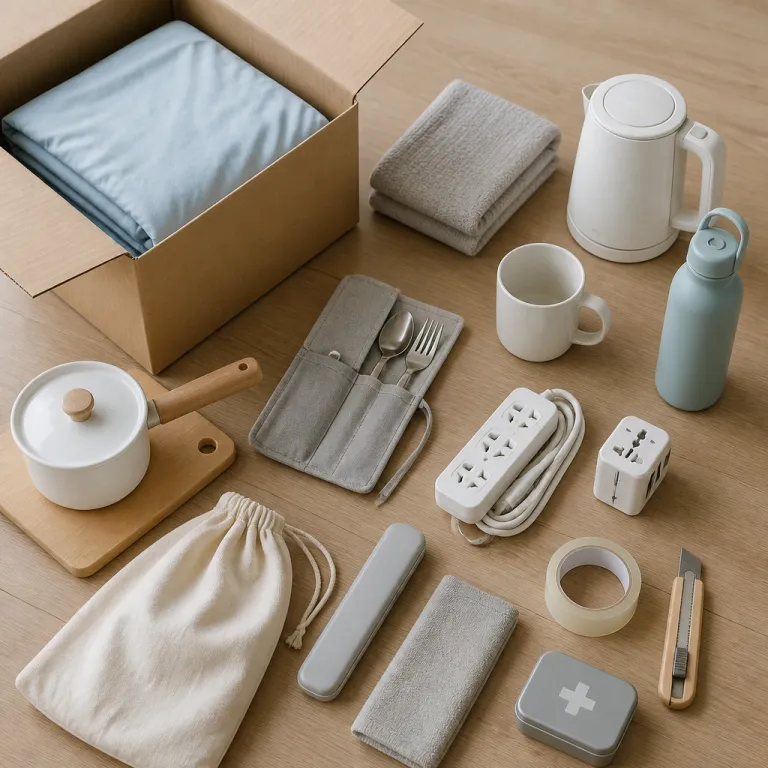
Luxury student accommodation increasingly borrows ideas from micro apartments, with high shelves, under bed storage, and sliding partitions that let students live large in small footprints. When you pack for student accommodation, remember the expert advice that “Essentials include bedding, toiletries, kitchenware, and study materials.” This minimal baseline leaves space for a few high impact items, such as a foldable desk extension, a slim lamp with warm light, and a narrow trolley that can shift between nightstand, coffee station, and extra counter in a shared kitchen.
For international students arriving with only a suitcase, a solo student accommodation guide should emphasise modular pieces you can assemble alone and disassemble quickly at the end of the tenancy. Choose textiles and lighting that soften standard student housing finishes, making even basic campus housing feel more like a considered home. When bills are included in the rent, you can use layered lighting more freely, but always check your tenancy agreement and any rules from the landlord or university housing office about appliances and wall fixtures.
Safety, logistics, and the quiet admin of moving alone
Behind every elegant student accommodation is a layer of logistics that matters even more when you move without family or friends. Before you sign, read the tenancy agreement carefully, confirm what is included in the rent, and clarify how bills included packages handle heating, electricity, and internet. Many students underestimate how much these details affect daily living, especially when they are the only name on the contract.
Check reception hours, security presence, and how access works for both the main entrance and your individual room, because these systems shape how safe you feel returning late from the library. Walk the neighbourhood at the time you expect to come home from campus or work, and assess lighting, sightlines, and whether other students live nearby. For international students, save emergency contacts for the university housing office, local health services, and any on site support team before you arrive, so help is one call away if something goes wrong.
Use online housing portals and university housing services to find place options early, then keep a simple checklist for documents such as ID, proof of enrolment, and any guarantor forms required by the landlord. A structured solo student accommodation guide will also remind you to plan move in day logistics, from arranging transportation to coordinating key collection times. When you compare housing options, remember that the best student accommodation is not only stylish but also makes it easy to live, study, and feel secure as a solo tenant.
Making community from the corridor: everyday social strategy
Moving alone means your accommodation becomes both your retreat and your launchpad into the student community. The most effective solo student accommodation guide treats shared spaces as tools for connection, not just amenities listed in marketing copy. A shared kitchen where people actually cook together will do more for your social life than any glossy cinema room that sits empty.
When you arrive, start small by learning names on your corridor, leaving your door open while you unpack, and using communal lounges for short study sessions. Many students live behind headphones, so small rituals like making tea in the shared kitchen at the same time each evening can create gentle, low pressure encounters. Co living models now respond to the loneliness many students feel, especially international students, by programming events and designing layouts that nudge casual interaction without overwhelming quieter personalities.
Explore curated properties and floor plan strategies, such as those highlighted in the guide to elevated student living floor plan options, to understand how different types of layouts support or hinder connection. Use this insight when you find student accommodation, asking how residents actually use lounges, study rooms, and outdoor terraces across the week. Over time, the way you choose to live in these spaces will shape your own narrative of solo living, turning a simple student house or studio into the centre of your university experience.
FAQ
What should I pack when moving into student accommodation alone ?
Focus on essentials first, then layer comfort items once you arrive. Experts consistently advise that “Essentials include bedding, toiletries, kitchenware, and study materials.” After that, add compact storage, a few pieces of soft lighting, and any small items that make your room feel like home without overwhelming limited space.
How do I find student accommodation that suits solo living ?
Start with university housing services and reputable online housing portals, then filter by distance to campus and safety rather than by amenities alone. When you are finding student accommodation as a solo tenant, prioritise buildings with active shared spaces and clear management communication. Read reviews from other students about noise, cleanliness, and how easy it is to meet people in communal areas.
What documents will I usually need to rent student housing ?
Most landlords and premium student housing providers ask for official ID, proof of enrolment at your university or school, and sometimes a guarantor form. International students may also need visa documentation and evidence of ability to pay rent. Check requirements early so you can secure your preferred accommodation options before they fill.
How can I judge whether a neighbourhood is safe for a solo student ?
Visit at different times of day, especially in the evening when you are likely to return from campus, and pay attention to lighting, foot traffic, and general activity. Ask the university housing office or local students about their experiences walking in the area. Combine this with practical checks on building security, such as controlled entry, staffed reception hours, and clear emergency procedures.
Is it better for solo students to choose a studio or a shared flat ?
Studios offer maximum privacy and control, which suits some students but can feel isolating if you struggle to initiate social contact. Shared flats within campus housing or near university buildings provide built in company and often lower rent, yet they require compromise on noise and cleanliness. The best choice depends on your personality, budget, and how much you plan to use communal spaces beyond your own room.