From more beds to better minds: why student housing now starts with wellbeing
Student housing and mental health in 2026 is no longer a niche concern whispered in policy papers; it is the lens through which serious operators now design, market, and run premium student accommodation. For families comparing luxury purpose built blocks near a university campus, the question has shifted from how many amenities a building can cram in to how well those spaces help students protect their emotional health and sustain mental wellness across an intense academic year. When around ninety percent of students in one large UK survey by Here! Student Living (2023, 1,247 respondents across multiple universities; proprietary internal data summarised in the company’s 2023 wellbeing report) say their housing affects their mental health, the stakes for every college student and every parent signing a lease are obvious.
Research from psychologist Joanne D. Worsley at the University of Liverpool (for example, Worsley, J. D., Harrison, P., & Corcoran, R. Journal of Mental Health, 2016, 25(2), 135–141, and Worsley, J. D., Pennington, C. R., & Corcoran, R. Journal of Further and Higher Education, 2019, 43(3), 434–447) and guidance from the British Property Federation’s 2022 mental health recommendations have pushed the sector to accept that poor student housing can increase stress, while supportive environments improve well-being. That simple conclusion now underpins a wave of psychologically informed design, where natural light, acoustic insulation, and access to health resources are treated as seriously as Wi-Fi speed or ensuite finishes, because they directly help students manage academic pressure and everyday anxiety. For premium family buyers, this means the most desirable addresses are those where wellness advocacy is embedded in operations, not just in a brochure line about a vague wellness center somewhere in the basement.
Luxury and premium booking platforms have responded by foregrounding mental health features alongside location maps and room types, because they know college students and international students are asking sharper questions. You will now see explicit references to on site counseling support, links to the nearest university counseling center, and clear descriptions of how staff support students through exam seasons or emotional health crises. The best listings explain how their community design helps residents form peer groups quickly, because a thriving college experience depends as much on community as on square metres, and because social connection is repeatedly highlighted in higher education wellbeing research as a protective factor. In one UK operator’s internal review of a 600 bed residence that introduced structured peer mentoring and quiet study floors in 2022, reported feelings of isolation fell by roughly a third over two academic years, while voluntary counseling uptake increased by about 20 percent, illustrating how targeted changes in housing can translate into measurable mental health gains.
Wellbeing first design: what to look for beyond glossy amenity lists
Walk into a new premium residence and you can usually tell within minutes whether mental wellbeing has been taken seriously or treated as marketing wallpaper. Look for how the building separates quiet study areas from social lounges, because that simple zoning decision shapes how well students can regulate their emotional energy and protect their mental health during demanding weeks. A cinema room is pleasant, but a calm floor with daylight rich desks, small therapy friendly consultation rooms, and easy access to health resources is what actually helps students stay balanced and sustain concentration.
Psychologically informed design, the approach highlighted in recent British Property Federation guidance, starts with basics that families can verify during a viewing. Are corridors well lit and not overly long, which can feel isolating for a first year college student arriving from another country, and is there clear signage to a staffed support center or reception that can help students at any hour. Ask how noise is managed between units, how many students share each kitchen, and whether there are small, bookable rooms suitable for online counseling sessions or peer support groups that focus on student mental resilience and stress management.
Parents should also interrogate how the residence connects to the wider university community, because a beautiful building that leaves students socially adrift is a risk for emotional health and even suicide prevention. Read the fine print on any wellness advocacy claims and cross check them against independent guidance on how to spot a student accommodation that is really an Airbnb in disguise, because transient guests rarely support students who need stable peer relationships. A genuine wellbeing first residence will talk confidently about its links to the university counseling center, its training on suicide prevention for staff, and its partnerships with organisations such as the Jed Foundation or a local advocacy coalition that focuses on college students in higher education.
The parent checklist: reading between the lines of premium wellbeing promises
For a premium family booking a room from another continent, the language of student housing and mental wellbeing can feel abstract until you translate it into a concrete checklist. Start with staffing, because the people on site are the real wellness resources that support students when a late night panic attack or emotional health wobble hits. Ask whether there is a trained manager living in, what mental health training the équipe receives, and how they coordinate with the university counseling center or external therapy providers.
Next, interrogate programming rather than décor, because a thriving college community is built through repeated, low pressure contact rather than one big welcome party. Look for regular peer led groups, language exchange evenings, and quiet craft sessions that help students who are shy or anxious to join the community at their own pace, which is crucial for international college students who may be far from familiar support networks. When a residence explains how it helps students maintain routines during exam periods, including extended quiet hours and extra study groups, you are seeing student mental wellbeing taken seriously rather than treated as a slogan.
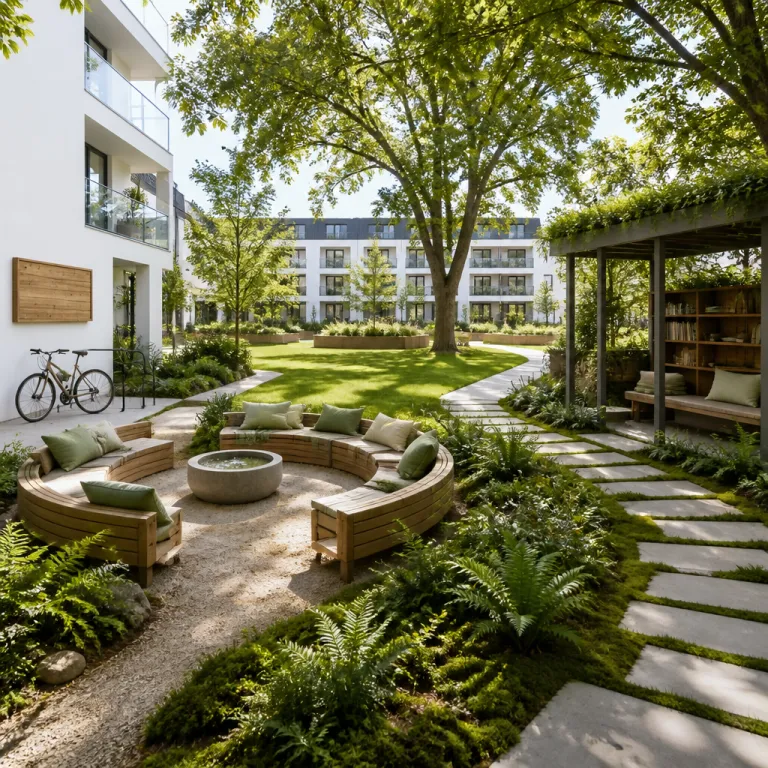
Booking platforms that specialise in premium student housing now curate properties partly on this basis, highlighting those that offer transparent health resources and clear wellness advocacy policies. When you read a listing, pay attention to how it describes energy performance, outdoor space, and acoustic design, then compare that with independent analysis of real energy wins versus marketing veneer in student halls, because environmental comfort is tightly linked to mental wellness. A residence that invests in green courtyards, calm interiors, and accessible help points is usually one that will support students well through the full academic durée, not just look good in the first week.
Finally, remember that seasonal stays matter too, because summer student accommodation in Europe can either consolidate a student well routine or disrupt it. When you examine booking windows and short term options, prioritise buildings that maintain the same health well standards year round, including access to counseling support and stable peer communities. A consistent approach across terms and summer breaks helps students carry emotional health habits forward rather than resetting every few months.
Community, isolation, and the international student: why programming now matters as much as plumbing
Luxury student housing conversations about mental health often start with architecture, yet the lived reality for many international students is shaped more by community programming than by marble reception desks. Isolation risk is highest for a student who arrives alone, perhaps as the first in their family to attend higher education, and finds that their residence offers no structured way to meet other students beyond a noisy bar. In that scenario, even a technically perfect building can undermine mental health, because there is no gentle on ramp into campus life or peer support.
Premium operators that understand this now design community calendars with the same care they once reserved for gym layouts, because they know that regular, inclusive events help students form friendships that protect emotional health. Look for buddy systems that pair new arrivals with returning college students, small interest based groups that meet weekly, and cultural nights where food and stories are shared in a way that feels welcoming rather than performative, since these formats support students who might otherwise withdraw. When a residence explains how it coordinates with university societies and the wider campus community, you can see whether it genuinely helps students integrate or simply rents them a bed.
Families should also ask direct questions about how the building handles crises, because suicide prevention is no longer a topic that can be left to chance. A serious operator will have clear protocols, staff trained to recognise warning signs of deteriorating student mental health, and established links to a counseling center or external therapy services, sometimes informed by frameworks from organisations such as the Jed Foundation. When you hear vague references to wellness without any detail on health resources, advocacy coalition partners, or how they support students after a traumatic event, treat that as a warning sign rather than a minor omission.
How research reshaped the sector: from policy papers to room layouts
The shift toward student housing that actively supports mental health did not appear from nowhere; it is the product of years of research, policy work, and uncomfortable data. Studies led by researchers such as Joanne D. Worsley in Liverpool used focus groups, surveys, and psychological assessments to show how strongly housing conditions influence mental health outcomes for students in higher education, often drawing on samples of several hundred undergraduates at a time. At the same time, the British Property Federation worked with universities and mental health charities to translate those findings into practical guidance for developers and operators.
One of the most quoted explanations from this body of work is stark in its simplicity, and it now appears in training sessions for residence managers across the UK and beyond. “How does student housing affect mental health? Poor housing can increase stress; supportive environments improve well-being.” That sentence has become a design brief for architects, a checklist for premium booking platforms, and a quiet reassurance for parents who want to know that their chosen residence will support students well rather than leave them to cope alone.
On the ground, this research has led to specific changes that you can see and question during a viewing, from better acoustic separation between rooms to more generous communal kitchens that encourage peer cooking nights and informal support groups. Operators now talk about mental wellness as a measurable outcome, tracking how their buildings help students maintain emotional health, stay engaged with the campus community, and contribute to a thriving college culture. When you choose a residence that aligns with this evidence based approach, you are not just buying a premium postcode; you are investing in an environment that helps students, especially vulnerable college students, navigate the emotional demands of university life with more confidence and more support.
FAQ
How does student housing affect mental health for university students ?
Housing affects mental health through noise levels, light, safety, and social connection, which together shape how well students can rest, study, and build friendships. Research and policy work in the UK and elsewhere show that cramped, noisy, or unsafe buildings increase stress, while supportive environments with good design and access to health resources improve emotional health. When you assess a residence, focus on layout, community programming, and links to counseling support rather than just finishes.
What are universities doing to support student mental wellbeing in accommodation ?
Many universities now work directly with private operators to align residence design and operations with campus mental health strategies. They encourage or require clear referral routes to the university counseling center, staff training in suicide prevention, and community events that help students integrate into campus life. Some institutions also partner with organisations such as the Jed Foundation or local advocacy coalitions to strengthen wellness advocacy and crisis response.
What should parents look for when booking premium student housing for a college student ?
Parents should prioritise evidence of a wellbeing first approach, including quiet study areas, good natural light, and clear information about on site support. Ask about staff training, links to health resources, and how the residence supports students during exams or emotional crises, rather than focusing only on gyms or games rooms. A strong community programme with peer groups and regular events is often a better predictor of student mental resilience than any single amenity.
How can international students reduce isolation risks in new student housing ?
International students can reduce isolation by choosing residences that offer structured community programming, such as buddy schemes, language exchanges, and small interest based groups. Joining these activities early helps students build peer networks that support emotional health and make the wider campus feel less overwhelming. It also helps to connect with university societies and use counseling or wellness services if feelings of loneliness persist.
Are luxury amenities enough to ensure mental wellness in student housing ?
Luxury amenities alone rarely guarantee mental wellness, because mental health depends more on design quality, social connection, and access to support. A residence with thoughtful layouts, quiet zones, and strong links to counseling and health services will usually support students better than one with only high end décor. When comparing options, treat gyms and cinemas as bonuses, and focus your decision on how the building helps students live, study, and connect well every day.
References
British Property Federation mental health guidance for student accommodation operators, published in the early 2020s, including the 2022 recommendations on psychologically informed design and operational practice.
Research on student accommodation and mental health by Joanne D. Worsley, University of Liverpool, including Worsley, J. D., Harrison, P., & Corcoran, R. (2016). “The role of previous experiences and social support in students’ adjustment to university.” Journal of Mental Health, 25(2), 135–141, and Worsley, J. D., Pennington, C. R., & Corcoran, R. (2019). “Student accommodation, mental health and wellbeing: Evidence from UK undergraduates.” Journal of Further and Higher Education, 43(3), 434–447.
Here! Student Living survey (2023) on the impact of housing on student wellbeing, reporting that roughly nine in ten of 1,247 respondents felt their accommodation influenced their mental health; figures cited here are from the company’s proprietary internal report, summarised for external audiences.