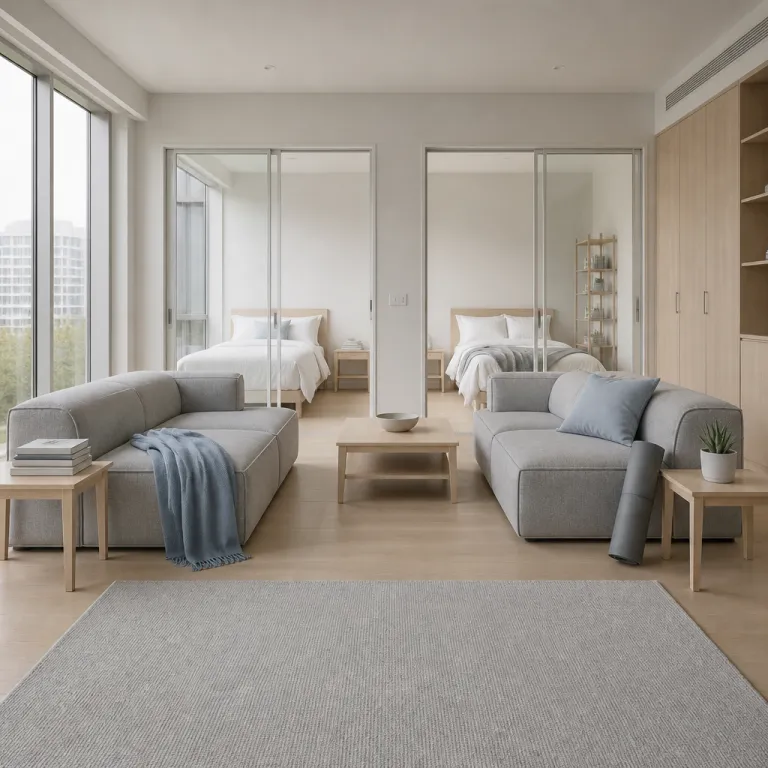
Weighing the pros and cons of roommates in premium student apartments
Choosing a roommate in a luxury student apartment shapes your daily living more than any design feature. When you analyse the pros and cons of roommates, you balance generous shared amenities against the realities of sharing living space with another person. In high end student residences, the decision to live with roommates rather than alone will influence your budget, your social life, and your sense of privacy.
Premium student accommodation operators understand that many people choose shared living primarily for financial reasons. Data from the Joint Center for Housing Studies of Harvard University and the U.S. Census Bureau’s 2021 American Community Survey indicate that students who share with at least one living roommate often cut their individual rent by roughly 40–60 percent, especially when they also split rent utilities and cleaning services. In cities where property management companies curate purpose built student apartments, a carefully structured roommate agreement can turn a potentially stressful living situation into a stable, supportive home.
Yet the disadvantages of living with others are real, even in beautifully designed apartments. You share bathrooms, kitchens, and other shared spaces, so noise levels and different routines can create friction over time. Before you sign lease documents on a luxury unit, you should map out the pros and cons of living with roommates versus living alone, and decide which trade offs fit your personality and study habits.
How luxury design reshapes shared living with roommates
High specification student residences are engineered to soften the classic cons of roommates while amplifying the benefits. Developers now use outcome led design to separate quiet living space from social zones, which reduces conflict about noise levels and late night visits. In many premium buildings, property management teams work with architects to ensure that each person has a private bedroom and often an en suite bathroom, so sharing living areas feels less intrusive.
This design philosophy is explored in depth in guides to outcome led design in student housing, where the focus shifts from flashy amenities to how people actually live. When you analyse the pros and cons of roommates in such buildings, you often find that generous shared spaces like study lounges, cinema rooms, and rooftop terraces absorb much of the social energy. That means your own apartment can remain a calmer living space, even when you live with roommates who have different schedules.
Still, even the best layout cannot replace clear communication between roommates. A thoughtfully drafted roommate agreement about guests, shared chores, and how you will share rent utilities can prevent small irritations from becoming major drawbacks of living together. When property management offers templates, sample house rules, and basic mediation support, it can help each roommate live more comfortably and protect the long term quality of shared living.
Financial pros and cons of roommates in luxury student accommodation
From a financial perspective, the pros and cons of roommates in premium student housing are stark. Average data from national housing surveys, including the Joint Center for Housing Studies’ “America’s Rental Housing 2022” report, indicate that sharing living costs with roommates can reduce your personal rent by around 50 percent, even in high demand university districts such as Boston, London, or Sydney. When you add the ability to split rent utilities, cleaning fees, and subscription services, roommate living can help you save money without sacrificing comfort.
However, the financial risks of living with others emerge when a roommate will not pay on time or decides to move out early. In many luxury buildings, all tenants sign lease documents jointly, which means each person is legally responsible for the full rent if another person fails to pay. This is why finding roommate candidates with stable funding, clear communication, and a shared understanding of their obligations is as important as choosing someone you like socially.
Before committing to a shared apartment, use a detailed checklist such as a first college apartment checklist for elevated student living. Such tools help you calculate the true cost of your living situation, from deposits to insurance, and clarify how you will share each item. When you discuss these trade offs openly, you reduce the risk that financial stress will damage both your roommate relationship and your academic life.
Social life, privacy, and the emotional impact of living roommates
The social dimension is often the most underestimated part of the pros and cons of roommates. For many students moving into a luxury apartment in a new city, a roommate living arrangement offers instant companionship and a built in social network. As one expert summary from a student housing advisor notes, "What are the benefits of having a roommate? Cost-sharing, companionship, and shared responsibilities."
In premium student residences, shared living can mean movie nights in the lounge, group study in co working spaces, and spontaneous conversations in the gym or café. These experiences help people feel anchored, especially during the first term when every person is adapting to a new life rhythm. When you live with roommates who share your values, the balance often tilts towards emotional support, reduced loneliness, and a richer social calendar.
Yet privacy remains one of the main downsides of living with others, even when each roommate has a private bedroom. You may need quiet time to decompress after long days, while your living roommate prefers constant background music or frequent visitors. A clear roommate agreement about quiet hours, noise levels, and use of shared spaces can protect both your mental health and your academic performance.
Creative use of space in luxury shared apartments
Luxury and premium student accommodations excel at turning every square metre into flexible, high performing living space. When you evaluate the pros and cons of roommates in such properties, pay close attention to how the apartment layout supports both shared living and individual focus. Smart design can transform potential challenges of living together, such as clutter and crowding, into opportunities for collaboration and comfort.
For example, some properties use sliding partitions to separate shared spaces from study zones, so each person can control light and noise levels. Built in storage along corridors and under beds keeps the main living space clear, which reduces tension about household chores and tidiness. When property management invests in ergonomic furniture, good task lighting, and acoustic treatments, a roommate will find it easier to work late without disturbing others.
Guides to elevated standards in student accommodation highlight how design now anticipates the realities of sharing living with one or more roommates. Still, you and your living roommate must agree on how you will use shared spaces, from kitchen counters to balconies. A simple zoning plan, combined with a written roommate agreement, can turn a beautiful apartment into a genuinely harmonious living situation.
Practical steps for finding roommate matches in premium residences
Once you understand the pros and cons of roommates, the next challenge is finding roommate candidates who fit your lifestyle. Many luxury student properties now partner with co living platforms and roommate matching apps that use questionnaires about study habits, social preferences, and cleaning standards. These tools help people find compatible roommates more efficiently than informal social media posts.
When you start the process of finding roommate options, be honest about your expectations for shared living. Explain how you like to live, how you handle household chores, and what noise levels you can tolerate at different times of day. A transparent conversation early on will help each person decide whether the advantages and disadvantages of living together feel acceptable before you sign lease agreements.
During viewings, imagine how daily life will feel in that specific apartment with one or more roommates. Ask property management about their policies for conflict resolution, late payments, and changes to the living situation if someone moves out. As one property manager at a premium residence in Austin explained in a 2023 internal resident survey summary, clear procedures, regular check ins, and written guidance can significantly reduce the long term cons of living in shared spaces.
Setting ground rules: roommate agreements, chores, and long term harmony
The final piece in balancing the pros and cons of roommates is a structured roommate agreement. This document should outline how you will share rent utilities, divide household chores, manage guests, and handle quiet hours. In luxury student apartments, where the stakes are higher due to premium rents, such clarity protects both your finances and your peace of mind.
Many property management teams now provide templates that cover key aspects of shared living, from cleaning schedules to how a roommate will report maintenance issues. Use these tools to define how you will use shared spaces like kitchens, bathrooms, and balconies, and how often each person will clean them. When everyone signs the roommate agreement alongside the main sign lease documents, it signals a shared commitment to respectful living.
Over time, revisit the agreement as your life and study patterns evolve. The pros and cons of your living situation may shift as exam periods, internships, or new social circles change how you use the apartment. Regular check ins with your roommates keep small frustrations from eroding the many benefits of shared living in a thoughtfully designed, premium student residence.
Key statistics on shared student living and roommates
- Average rent reduction with roommates is around 50 percent for students in shared apartments, according to the Joint Center for Housing Studies’ “America’s Rental Housing 2022” report and the U.S. Census Bureau’s 2021 American Community Survey, which makes premium properties more accessible to individuals on limited budgets.
- Co living platforms and roommate matching apps have grown rapidly in major university cities, reflecting a rise in shared living as students seek both financial relief and social connection.
- Purpose built student accommodations increasingly offer private bedrooms with shared kitchens and lounges, a layout that balances privacy with social interaction for people who choose roommate living.
- Property management teams in high end student residences report, in internal resident satisfaction surveys, that clear roommate agreements significantly reduce disputes about household chores and noise levels over the duration of a lease.
Frequently asked questions about the pros and cons of roommates
What are the main benefits of having a roommate in a luxury student apartment ?
The primary benefits are cost sharing, companionship, and shared responsibilities in maintaining the apartment. In premium buildings, splitting rent utilities and other fees can make high quality living space affordable while still allowing each person a private bedroom. Shared living also supports a richer social life, especially when you are new to a city or campus.
What challenges might arise when living with roommates in student accommodation ?
Common challenges include differences in cleanliness standards, noise levels, and expectations about guests or shared spaces. Conflicts can also emerge if a roommate will not pay their share of rent on time or avoids household chores. A clear roommate agreement and regular communication help manage these disadvantages of living together before they escalate.
How can I find a compatible roommate for a premium student residence ?
Use official roommate matching tools offered by property management or reputable co living platforms rather than relying only on informal networks. These services usually ask detailed questions about your study habits, social preferences, and daily routines to help you find compatible people. Always meet potential roommates in person or via video, and discuss expectations openly before you sign lease documents.
Should I choose to live alone or with roommates in a high end student building ?
The choice depends on your budget, personality, and priorities for privacy versus social interaction. If you want to save money and enjoy daily companionship, the pros and cons of roommates may lean in favour of shared living. If you are highly sensitive to noise or value complete control over your living space, a studio or one bedroom apartment might suit you better.
What should a good roommate agreement include in luxury student housing ?
A strong roommate agreement should cover how you will share rent utilities, divide household chores, manage guests, set quiet hours, and handle conflicts. It should also outline what happens if one person wants to change the living situation or leave the apartment early. Writing and signing this agreement at the start helps each roommate live more comfortably and protects your long term living situation.