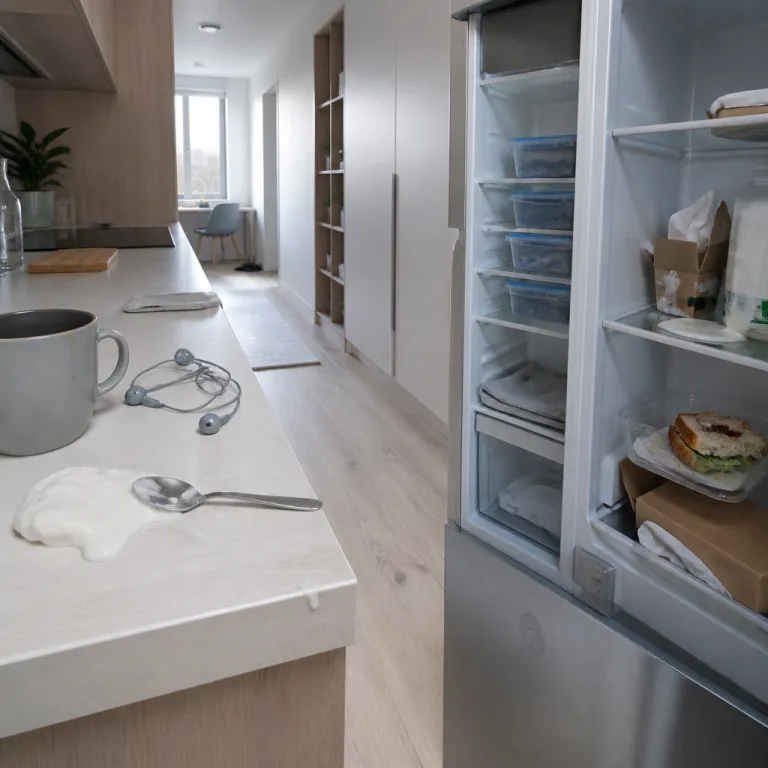
When luxury meets reality: the hidden disadvantages of having a roommate
Luxury student residences promise refined living, yet the drawbacks of sharing a home can quickly erode that polish. In a high end rental property, a roommate sharing your living space influences every detail of daily living, from how quietly you study to how confidently you invite friends. When you choose a premium apartment through a curated booking website, the living arrangement still depends on how well you and your roommates align in habits and expectations.
Many students focus on the pros cons of shared rent and utilities, hoping to save money while enjoying elevated design and amenities. Yet the same shared spaces that look so appealing in photos can magnify the stress of living with another person, especially when your roommate will not respect agreed quiet hours or cleanliness standards. In luxury student accommodation, the gap between the property marketing and the reality of co living often feels sharper because expectations are higher and the cost rent is significant.
Co living is increasingly common, with around 30 % of households in the United States including some form of shared living arrangement according to the U.S. Census Bureau (Current Population Survey, 2023). That trend extends to international college hubs where premium rental options dominate, and where having a roommate is often the only way to access central locations. On a luxury booking platform, you may find a beautifully staged apartment, but the disadvantages of having a roommate emerge only after moving in, when lifestyle differences and shared responsibilities become unavoidable.
Financial friction behind the polished façade of shared rent
Cost sharing is usually the first reason students consider having a roommate in a premium rental property. Splitting the rent utilities and other bills can save money each month, making a high specification apartment or residence suddenly feel attainable. Yet the financial disadvantages of having a roommate often start with money, because one late payment or broken promise can strain both your budget and your relationship.
In theory, you and your living roommate split cost items fairly, from the base rent to streaming subscriptions and cleaning services. In practice, cons living with another person appear when one roommate will treat shared responsibilities casually, leaving you to chase payments or cover shortfalls to avoid penalties from the property manager. When you sign a joint lease, property management usually views all living roommates as equally liable, so a single con in their behaviour can damage your credit history or rental references.
Premium student accommodation in cities like London illustrates this tension clearly, where the cost rent for a single luxury room can rival a small family property. Guides to honest alternatives to ultra expensive rooms, such as this analysis of London’s high end student rents, show how shared options can look attractive on paper. As one property manager notes, “Most complaints we see in shared units start with unpaid bills.” The disadvantages of having a roommate become obvious when you realise that your financial stability depends on someone whose priorities, college workload, or part time job may change without warning.
Privacy, noise, and the emotional cost of sharing living space
Even in spacious premium residences, the disadvantages of having a roommate often centre on privacy and noise. A beautifully designed living space with floor to ceiling windows and curated furniture still feels small when you cannot decompress alone after a demanding college day. When you are living with roommates, every closed door, late night call, or unannounced guest can feel like an intrusion.
Shared spaces such as open plan kitchens, lounges, and study nooks are meant to help you connect, yet they can also amplify tension. The pros cons balance shifts when your roommate will treat the apartment like a social hub while you need quiet for exams, or when their partner effectively moves in and stretches the original living arrangement. These cons living with another person are not unique to student housing, but in high density properties they become more intense because sound travels and schedules rarely match.
Design led operators now talk about outcome led design, where layouts support real student behaviour rather than just amenities, as explored in this piece on outcome led student housing design. Even with such thoughtful property management strategies, the disadvantages of having a roommate remain if boundaries are unclear or respect is lacking. One student in a premium residence described it this way: “The building is amazing, but I never know when I’ll walk into a party in my own kitchen.” The emotional fatigue of constant negotiation about sharing living areas can undermine your academic focus and your enjoyment of premium facilities.
Household chores, shared responsibilities, and the limits of property management
Luxury finishes do not clean themselves, so household chores quickly expose the disadvantages of having a roommate. Marble worktops, designer sofas, and high end appliances require regular care, and sharing living areas means every spill or mess affects both of you. When one person consistently avoids shared responsibilities, resentment builds faster than in a basic rental because the stakes and expectations feel higher.
Many premium residences rely on professional property management to maintain common corridors, gyms, and study lounges, but inside your apartment the cleaning routine is usually your job. A property manager can arrange maintenance for broken fixtures, yet they cannot enforce fairness in how you and your roommates handle rubbish, dishes, or bathroom schedules. The pros cons equation shifts again when you realise that having a roommate might mean spending more time on conflict resolution than on actual cleaning.
Some operators provide digital tools and clear house rules to help you manage a shared living arrangement, including templates for chore charts and guidance on respectful communication. These resources can help you find a workable rhythm, but they cannot change a living roommate who simply refuses to participate. When you weigh the disadvantages of having a roommate, ask yourself whether the time you will spend negotiating chores offsets the money you save on rent utilities and the convenience of a central property.
Creative use of space when you choose to live without roommates
Premium student booking platforms now highlight solo studios and one bedroom apartments that use creative layouts to soften the financial disadvantages of living alone. Smart design can transform a compact 18 m² to 25 m² living space into a multi functional zone for sleep, study, and relaxation, reducing the temptation of having roommates purely for budget reasons. When you compare the disadvantages of having a roommate with the benefits of a well planned solo unit, the value of privacy becomes clearer.
Some properties use sliding partitions, mezzanine beds, and integrated storage to make small footprints feel generous, allowing you to avoid shared spaces inside your own rental while still enjoying communal lounges when you choose. Articles on reimagined premium student living, such as this feature on Hudson style dorm transformations, show how thoughtful architecture can reduce the need to split cost with a roommate. In such environments, the main cons living alone relate to higher cost rent, but you gain full control over noise, guests, and household chores.
When you browse a luxury booking website, use filters to find rental options that prioritise efficient space rather than maximum occupancy. A slightly smaller property without roommates can sometimes match the total monthly outlay of a larger shared apartment once you factor in cleaning services, insurance, and the risk of unpaid bills. For many focused college students, avoiding the disadvantages of having a roommate by choosing a compact solo unit is a strategic investment in wellbeing and academic performance.
How to assess whether a roommate fits your premium living standards
Not every shared rental ends badly, so the key is to assess compatibility before signing any lease for a high end property. When you consider having a roommate, move beyond simple questions about hobbies and ask detailed questions about finances, sleep patterns, and expectations for guests. The disadvantages of having a roommate usually surface where these deeper topics were never discussed.
During viewings, pay attention to how the property management team describes their support for conflict resolution and how they handle complaints between living roommates. Some operators offer mediation, room change options, or clear escalation paths, which can help if your roommate will not respect agreed rules about shared spaces or noise. Ask directly how the property manager deals with unpaid rent utilities in joint contracts, because this is where many financial cons living with others become painfully real.
Expert guidance on shared living often emphasises communication, and one verified set of answers captures this clearly : "What are common issues with roommates?" "Privacy concerns, lifestyle differences, and financial disputes." "How to address conflicts with a roommate?" "Open communication, setting clear boundaries, and mutual respect." "What are the benefits of having a roommate?" "Cost-sharing, companionship, and shared responsibilities." When you weigh the pros cons of having roommates in a luxury context, remember that even the best designed living space cannot compensate for a fundamental mismatch in values or reliability.
Key statistics on shared student living in premium accommodation
- Around 30 % of households in the United States involve some form of shared living arrangement, indicating how common the roommate model has become across age groups and property types (U.S. Census Bureau, Current Population Survey).
- Purpose built student accommodation operators report that shared apartments typically achieve higher occupancy rates than solo studios, reflecting strong demand to save money by splitting rent and utilities, but also concentrating the disadvantages of having a roommate in these units (industry reports from major student housing REITs).
- Surveys of college students in large urban markets show that financial disputes and unpaid bills are among the top three reasons for requesting a room change or early lease break in shared rentals, underlining the financial cons living with roommates in high cost cities (student housing research from major universities).
- Operators of premium student residences increasingly invest in co living layouts with flexible partitions and enhanced acoustic insulation to reduce noise related complaints, a frequent trigger for tension between living roommates (design trend analyses from global real estate consultancies).
FAQ about the disadvantages of having a roommate in luxury student housing
What are the main disadvantages of having a roommate in a premium residence ?
The main disadvantages of having a roommate in a premium residence include reduced privacy, potential noise conflicts, and financial risk if your roommate misses payments. Even in high specification apartments, shared spaces such as kitchens and bathrooms can become sources of tension when cleaning standards differ. In joint leases, property management often holds all tenants equally responsible, so one person’s behaviour can affect your rental history.
How can I reduce financial risk when sharing rent and utilities ?
To reduce financial risk, clarify in writing how you and your roommate will split cost items such as rent, utilities, and shared subscriptions before signing any lease. Where possible, ask the property manager whether individual contracts are available, so each tenant is responsible only for their portion of the cost rent. Using separate payment schedules, budgeting apps, and clear deadlines can also help you track who has paid what and avoid last minute disputes.
What household chores should be agreed before moving into a shared apartment ?
Before moving into a shared apartment, agree on a detailed rota for household chores including rubbish removal, bathroom cleaning, kitchen surfaces, and shared living space tidying. Decide how often each task should be done and what happens if someone repeatedly ignores shared responsibilities. Putting these agreements in a shared document or app makes it easier to refer back when tensions arise.
Can property management help if my roommate breaks house rules ?
Property management can usually intervene if your roommate breaks formal house rules related to noise, damage, or safety, especially in purpose built student residences. However, they are less able to resolve personal disputes about guests, cleaning styles, or minor lifestyle differences, which remain common disadvantages of having a roommate. When choosing a property, ask how the property manager handles complaints and whether room changes are possible if the living arrangement becomes unworkable.
Is it better to live alone in a smaller space than share a larger apartment ?
Living alone in a smaller, well designed studio can be better if you value privacy, predictable routines, and full control over your environment. Creative layouts in modern student residences often make compact units feel comfortable, reducing the need to share just to save money. The choice depends on whether the financial benefits of sharing outweigh the potential stress of cons living with roommates during your college years.
Practical checklist before committing to a shared luxury rental
To reduce the disadvantages of having a roommate in a premium residence, use this quick checklist before you sign:
- Compare solo and shared options, including hidden costs such as cleaning, insurance, and potential unpaid bills.
- Discuss budgets, payment dates, and backup plans with your potential roommate in detail, not just in passing.
- Agree on quiet hours, guest policies, and basic cleaning standards, and write them down.
- Ask property management about mediation, room swaps, and how they handle late rent in joint leases.
- Decide whether the savings from sharing truly outweigh the impact on your privacy, study time, and wellbeing.