Why your landlord’s building insurance leaves your possessions exposed
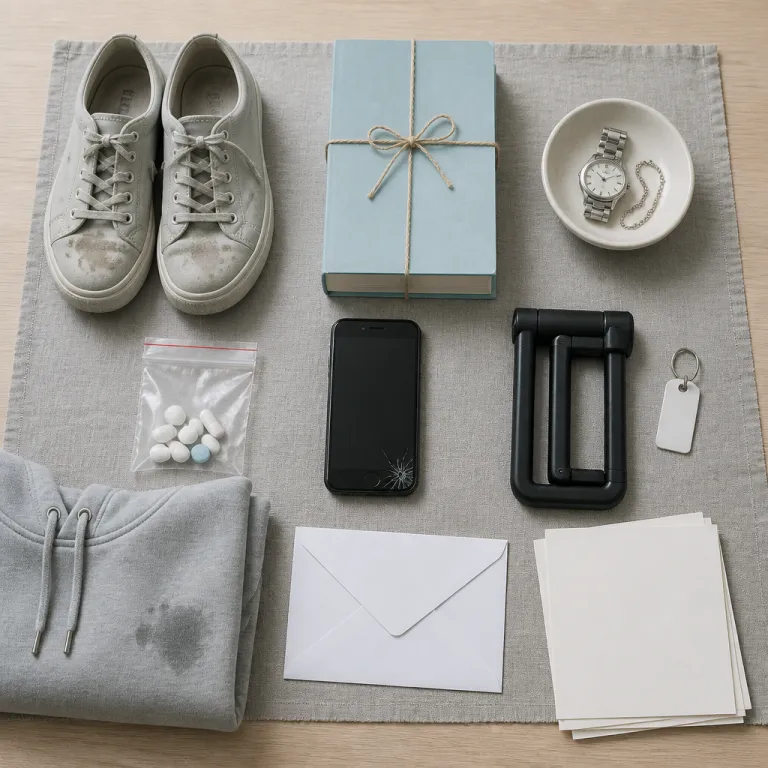
Most students assume their landlord’s insurance will automatically protect every personal item in a stylish student accommodation block. In reality, landlord building insurance is designed to safeguard the structure, fixtures and the owner’s investment, while your laptop, headphones and passport sit completely uncovered. When you move into premium student housing, you become the tenant responsible for arranging contents insurance that protects your own possessions and your liability.
In every lease, the landlord is the property owner and the tenant is the student who occupies the space, so the insurance policy that the landlord buys focuses on walls, roofs and permanent fittings. That landlord insurance will usually pay for structural damage after a fire or storm, but it will not pay for stolen student belongings, ruined clothes or a smashed phone in your room. As one industry explanation from the UK’s Association of British Insurers puts it with absolute clarity: “Does landlord insurance cover tenant's belongings? No, it covers the building, not tenant's items.”[1]
For a covered student who wants genuine peace of mind, the missing piece is a dedicated contents insurance plan that treats your room or student house as a mini home. This type of student insurance cover is sometimes called renters insurance or student contents insurance, and it is designed to protect your personal possessions against theft, fire, water damage and accidental damage. Without this separate insurance policy, even the most luxurious halls of residence or high spec student housing complex leaves your belongings covered only by your own bank account.
Parents’ home insurance and what really follows you to campus
Many students arrive on campus assuming their parents’ home insurance will quietly cover every item they bring into student accommodation. Some family policies do extend limited insurance cover to a full time student living away from home, but the small print often restricts the value of items covered and the types of damage included. Before you move into halls of residence or a shared student house, you and your parents should check the policy schedule line by line.
Typical home insurance plans might treat your room in student housing as an “off premises” location, which can mean lower limits for student belongings and higher excess amounts per claim. A parent’s insurer may cover contents such as clothing and books but exclude high value items like laptops, cameras and musical instruments unless they are specifically listed. If you are an international insurance student whose family lives abroad, their domestic policy will usually not extend any protection to your accommodation in another country at all.
That is why a focused student accommodation insurance guide always recommends comparing the cost of stand alone student contents insurance with the cost of adding you to a family policy. In some cases, a dedicated student insurance policy for your personal items will be cheaper, clearer and easier to claim on than a complex extension of a household contract. If you are moving alone for the first time, resources such as this solo student move playbook can help you weigh up what is worth insuring and how much cover you genuinely need.
Hidden risks in shared student housing, from kitchen floods to party guests
Life in shared student housing is social, noisy and often unforgettable, but it also multiplies the risks that can trigger an insurance claim. Friends bring visitors, doors are left unlocked, and a late night cooking experiment can turn into water damage or smoke damage in minutes. In this environment, a robust contents insurance policy is less of a luxury and more of a practical tool for protecting your living space and your budget.
Standard student contents insurance will usually cover theft from your locked room, but theft by invited guests or flatmates can be excluded unless the policy wording explicitly includes those items covered. You should check whether accidental damage to landlord fixtures, such as cracked ceramic hobs or broken sinks, is treated as part of your insurance cover or left for you to pay from your deposit. Data on deposit disputes in student housing, such as the analysis shared in this guide to deposit disputes, shows how often tenants lose money over damage that a well chosen insurance policy could have absorbed.
Premium student accommodation buildings often include communal gyms, cinema rooms and shared study lounges, but your personal possessions in those spaces are rarely covered student property unless the policy says so. If you leave high value items like tablets or headphones on a sofa in the cinema room and they vanish, the insurer may argue that those belongings were not adequately secured. A thoughtful student accommodation insurance guide will always urge students to lock valuable items in their room, keep receipts for anything worth more than a few hundred dollars and photograph serial numbers before term starts.
What student contents insurance really costs versus replacing your tech
When you are budgeting for rent, transport and nights out, paying for contents insurance can feel like an optional extra. Yet a realistic inventory of your possessions in student accommodation usually tells a different story, because a single laptop and smartphone can easily be worth more than a full year of insurance premiums. Add noise cancelling headphones, a tablet, course books, clothing and sports equipment, and the total value of your student belongings quickly climbs into four figures.
Specialist student insurance providers and mainstream insurers alike now offer tailored insurance plans for students that start at the price of a weekly coffee. In the UK, for example, comparison sites regularly show basic student contents policies from around £5–£10 per month with typical excesses between £50 and £150, while in the US, renters policies for students often fall in the $10–$20 per month range with deductibles of $250–$500.[2] These policies can cover personal items against theft, fire and accidental damage both inside your student house and sometimes while you are on campus or travelling.
Brands such as Urban Jungle and other digital first insurers have built streamlined platforms where a student can adjust their insurance policy online in minutes. You can increase the limit for high value items like musical instruments, reduce the excess you are willing to pay per claim or add cover for bicycles stored outside your accommodation. For couples or mature students choosing elevated student apartments such as the refined residences featured at Tempo College Park, the same logic applies: the more your possessions are worth, the more sense it makes to protect them properly.
International students, luxury residences and cross border insurance gaps
International students booking premium student housing often arrive with a suitcase full of tech and a head full of admin, and insurance can slip down the list. Yet cross border moves create specific gaps that a careful student accommodation insurance guide needs to highlight, because home country policies rarely follow you seamlessly into a new jurisdiction. A domestic insurance policy from your home nation may not recognise your overseas student accommodation as a valid insured address at all.
If you are an insurance student or simply a globally mobile student, you should check whether your existing bank account perks or card benefits include any form of student insurance abroad. Some packaged accounts offer limited contents insurance for travel, but that usually focuses on short trips rather than long term living in halls of residence or a private student house. To avoid misunderstandings, ask the insurer directly whether your belongings covered under any travel benefit remain covered once you are officially living in another country for your studies.
Luxury student housing operators sometimes partner with insurers to offer optional contents insurance at the point of booking, which can be convenient but still demands scrutiny. You should compare those in house insurance plans with independent student contents policies, paying close attention to the list of items covered, the maximum value per item and any territorial limits. For international students who split their time between countries, it can be worth choosing an insurance cover option that protects personal possessions both in your term time accommodation and when you travel home during breaks.
How to read a student insurance policy like an insider
Once you accept that landlord building insurance will not protect your possessions, the next step is learning how to read a student insurance policy with confidence. The first page usually summarises the total contents insurance limit, any specific limits for high value items and the excess you must pay if you make a claim. You should match those figures against a realistic list of your belongings in student accommodation, rather than guessing.
Policy wording can feel dense, but a focused student accommodation insurance guide will always point you to three key sections. Look for definitions of “accommodation” and “home”, which tell you whether your cover applies only to your room, to the whole student house or to communal areas in halls of residence. Then check the exclusions list carefully, because this is where you will find rules about unattended items, security requirements and types of accidental damage that are not covered.
Finally, pay attention to how the insurer handles claims, from the documents required to the time they say they will pay valid claims into your account. Some insurers for insurance students now allow you to upload photos, receipts and police reports through an app, which can speed up the process when you are already stressed. If you keep a simple digital folder with serial numbers, purchase confirmations and photos of your room layout, you make it far easier to prove what possessions were worth and to show that your belongings covered by the policy were genuinely present in your student housing at the time of any incident.
Key figures on student housing insurance and renter protection
- Around 57 % of renters in the United States have no personal insurance in place, according to the Insurance Information Institute’s 2023 Consumer Insurance Survey,[3] which means a majority of students in rented accommodation are also likely to be uninsured.
- Research by Endsleigh Insurance and the National Union of Students in the UK has repeatedly found that laptops and smartphones account for more than half of the total value of student contents in a typical room,[4] making targeted cover for high value items essential.
- Claims data published by major insurers such as Aviva and Allianz indicates that theft and accidental damage in shared spaces are among the most common triggers for student insurance claims, especially in dense urban housing.[5]
- Universities and housing providers increasingly recommend that tenants secure personal property coverage, with many referencing guidance from bodies like Universities UK and the National Student Housing Survey, reflecting a wider shift towards recognising the gap between landlord building insurance and contents insurance for students.
FAQ about student housing insurance and landlord policies
Does landlord insurance ever protect a student’s belongings ?
Landlord insurance is designed to protect the building, fixtures and the owner’s liability, not the tenant’s possessions. Some premium operators may negotiate group contents cover for residents, but this is rare and always spelled out in the contract. You should assume that your student belongings are not covered unless your tenancy agreement and the insurance documents explicitly say otherwise.
Should tenants in student accommodation always buy contents insurance ?
Tenants in student housing are strongly advised to buy contents insurance because landlord policies exclude personal items. A dedicated student insurance plan can cover theft, fire, water damage and accidental damage to your possessions, often for a modest annual premium. The decision becomes even more compelling when you calculate the replacement cost of your laptop, phone and other essentials.
What does a typical renters or student contents policy cover ?
A standard student contents policy usually covers personal belongings such as electronics, clothing, books and sometimes bicycles against risks like theft, fire and certain types of water damage. Many policies also include personal liability cover, which protects you if you accidentally damage the landlord’s property or injure someone in your accommodation. Some insurers extend cover to items temporarily taken outside the home, but the limits and conditions vary.
How does the excess on a student insurance policy work ?
The excess is the amount you agree to pay towards any claim before the insurer contributes. If your excess is 100 dollars and you suffer 600 dollars of covered damage, the insurer will usually pay 500 dollars and you pay the first 100 dollars. Choosing a higher excess can reduce your premium, but it also means you shoulder more of the cost when something goes wrong.
Can international students rely on travel insurance instead of contents cover ?
Travel insurance is designed for short trips and typically focuses on medical emergencies, cancellations and limited baggage cover, not long term living in student housing. International students who rely solely on travel policies often find that theft or damage in their term time accommodation is excluded. A separate contents insurance policy tailored to your host country is usually necessary to protect your possessions properly while you study abroad.
Student insurance quick checklist and data sources
- Coverage to confirm: landlord building insurance scope, parents’ home insurance extensions, student contents or renters policy, personal liability cover, and any exclusions for communal areas or invited guests.
- Typical student premiums: UK contents cover often from about £5–£10 per month with £50–£150 excess; US student renters policies frequently around $10–$20 per month with $250–$500 deductibles.[2]
- Practical actions before term starts: make an inventory of your tech and valuables, photograph serial numbers, store receipts in a digital folder, and compare at least two student insurance quotes.
- Key data sources cited: Association of British Insurers guidance on landlord insurance and tenant belongings;[1] Insurance Information Institute 2023 Consumer Insurance Survey on renters without cover;[3] Endsleigh and National Union of Students research on the value of student contents;[4] and claims insights from Aviva and Allianz on theft and accidental damage in shared accommodation.[5]