Smart heating student accommodation as a winter essential, not a gimmick
Smart heating student accommodation is no longer a futuristic promise for campus brochures. In higher end student accommodation, the heating system now sits on the same app that opens your door, books the gym and logs a maintenance request. For a business leisure executive booking for a postgraduate student or for yourself on an extended stay, the question is simple; does this smart heating actually keep the room warm, or just help the operator track energy consumption.
At its best, a connected heating system gives each individual room precise heating control, with smart thermostats that let you set temperature in half degree increments and schedule it around seminars or late shifts. You can walk back from the library, open the app on your phone in real time and nudge the temperature room setting up before you reach the building, so the room feels lived in rather than institutional. That level of control is what separates a genuinely smart heating student accommodation from a standard student accommodation that simply caps the radiators and calls it sustainability.
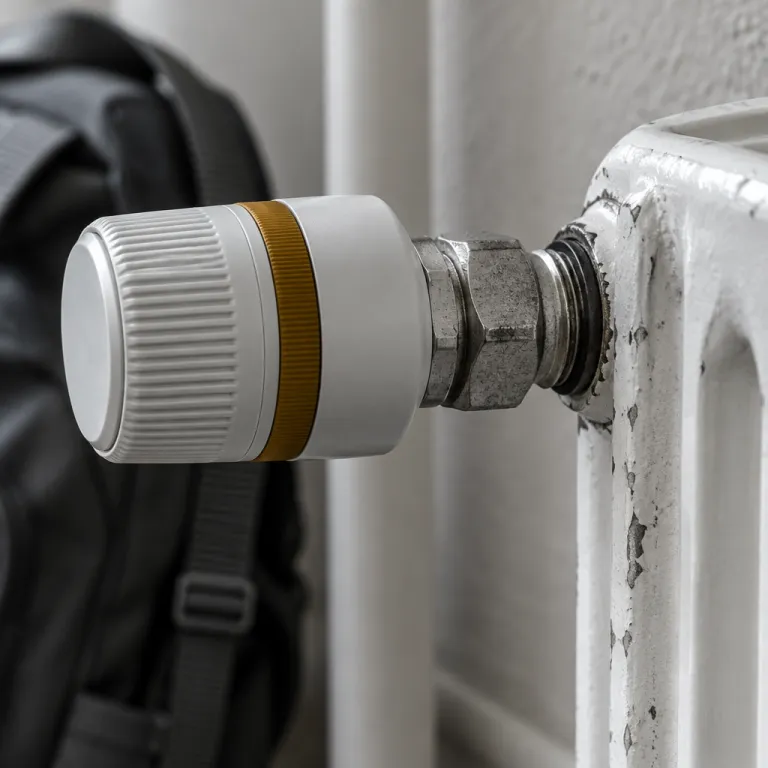
Look closely at how the electric heating is configured in premium rooms, because the details matter when winter bites and the wind whips down the street outside. Some properties use smart electric radiators in individual rooms, while others rely on a central heating system with thermostatic radiator valves on each radiator that respond to your app. Both systems can reduce wasted energy and help accommodation providers manage heating management across the whole building, but only if the resident can override a schedule when they are unexpectedly home sick or revising late.
Where control really sits ; your comfort versus the building’s energy targets
When you tour a property, ask bluntly who decides the set temperature in your room and who can change it. In many smart heating student accommodation buildings, the operator sets a minimum and maximum temperature range for all rooms, then allows students to adjust within that band through an app based heating control interface. That might sound reasonable, yet it shapes your winter more than the colour of the sofa or the size of the desk.
In an all inclusive student accommodation where energy is bundled into the rent, the operator carries the risk of high energy consumption, so they often use a connected heating system to reduce peaks. You may find that the app lets you set temperature for your individual room, but the building still applies a night setback that quietly lowers the temperature room wide after midnight. Before you sign, ask the leasing team to show you the resident app live, not just screenshots, and check whether you can keep the heating student settings stable during an exam week when sleep matters more than marginal energy saving.
Executives arranging long stays for their children or for themselves while on assignment should also ask what happens when the app fails or the Wi Fi drops. A robust smart heating system should still allow manual control on the radiator or wall thermostat in individual rooms, rather than leaving you shivering while an IT ticket crawls through the maintenance queue. For nuanced guidance on how operators balance comfort and cost in different markets, resources like this refined guidance from an agent for college in Darwin can help you frame sharper questions about heating management and control before committing to a contract.
What the tech actually delivers for residents ; zoning, faults and cold corners
Smart thermostats and electric radiators are often sold as lifestyle upgrades, yet their most valuable feature for students is usually zoning. In a well designed smart heating student accommodation, each individual room has its own radiator or electric heating panel with a sensor that tracks temperature in real time, rather than relying on a single corridor thermostat. That means the system can spot a room that never reaches the set temperature and flag it for maintenance before the resident spends a semester wrapped in a blanket.
Good accommodation providers use this data to identify patterns, such as a cluster of rooms on the north side of the building that lose heat faster or a stack of rooms where an open window regularly defeats the heating system. When the software sees a temperature room drop while the radiator is at full power, it can automatically send a prompt to the resident or even pause the heating to reduce energy consumption until the window is closed. This kind of heating control does not just help the operator hit energy saving targets; it can also protect you from paying for hot water and heating that literally vanish into the winter air.
Some premium properties, such as those highlighted in elevated student living at the Standard College Park, pair smart electric heating with responsive maintenance teams who act quickly on system alerts. If a connected radiator stops responding or a valve sticks, the system can generate a ticket before the student even notices the chill, turning data into real comfort. When you tour, ask whether the building uses these alerts purely for energy dashboards or whether they trigger same day checks on rooms that fall outside the expected temperature band.
Energy dashboards, data trails and the quiet trade off behind the app
Many smart heating student accommodation platforms now offer residents an energy dashboard that shows how much heating and hot water their room uses each day. The idea is that when students see their energy consumption in real time, they will naturally reduce waste and align with the building’s sustainability narrative. Sometimes that works, especially for international students used to paying separate utility bills who appreciate the transparency and respond by tightening their own heating management.
Yet the same data that helps you understand your room can also help the operator understand you, from when you usually set temperature higher to how often you leave an open window while the radiator runs. In some systems, the building can even group rooms by usage patterns and adjust heating control centrally, nudging heavy users down and rewarding frugal rooms with slightly more generous temperature bands. Before you sign, ask who can see your data, how long it is stored and whether it is ever shared beyond the accommodation providers and their technical partners.
There is also the question of dependence on a single app for everything from door access to heating student settings, which can feel efficient until the server goes down on a freezing night. A resilient heating system should fail gracefully, keeping a safe baseline temperature in all rooms even if the smart layer disappears for a few hours. When you read marketing about energy saving and smart electric solutions, look for clear statements about privacy, data retention and offline fallbacks, not just glossy promises about comfort and control.
Questions to ask before you book ; from radiator valves to winter back up plans
When you walk through a show flat, it is easy to focus on the view and the shared kitchen, yet winter comfort lives in the details of the heating system. Start by asking whether the room uses central hot water radiators with digital valves or standalone electric radiators with built in smart thermostats, because that shapes both responsiveness and running costs. Then ask whether each individual room has its own schedule and set temperature options, or whether the building applies a single timetable that might not match your study or work rhythm.
Probe the maintenance process around heating control, because even the best smart heating student accommodation will occasionally have a stuck valve or a misbehaving sensor. Ask how quickly the team responds when a room fails to reach the requested temperature room level, and whether the system itself flags anomalies so you are not the only alarm bell. Clarify what happens if you need a temporary override, for example during illness or a long weekend of revision, and whether the staff can help you adjust the heating management without breaching building wide energy saving policies.
Finally, think like an operator for a moment and read between the lines of the energy story, especially in markets where rents shift between seasons as explained in this analysis of how student accommodation prices change between summer and academic start. A building that invests in robust smart electric heating and transparent dashboards is often serious about both comfort and efficiency, while one that only talks about reducing energy consumption may be focused mainly on its own utility bills. Ask to see a real resident app, not a mock up, and test how quickly you can change settings, because that small interaction will shape every cold morning you spend in that room.
FAQ
Can I control the temperature in my own student room
In many smart heating student accommodation buildings, you can adjust the temperature in your individual room within a range set by the operator. The app or wall thermostat usually lets you choose a set temperature and schedule, while the building keeps overall limits to manage energy saving and costs. Always ask to see the live interface before signing, so you know how much control you actually have.
What happens if the heating app stops working in winter
A well designed heating system should maintain a safe baseline temperature even if the smart layer or Wi Fi fails. In better managed student accommodation, radiators or electric heating panels can be controlled manually until the app returns, and maintenance teams receive alerts when the connected system goes offline. When viewing properties, ask explicitly about offline back up plans and response times for winter faults.
Do smart thermostats really reduce my energy bills in all inclusive housing
In all inclusive student accommodation, you do not see a separate heating bill, but smart thermostats can still reduce overall energy consumption for the building. When residents use zoning and scheduling sensibly, operators are less likely to impose aggressive caps or tight temperature bands. That balance between comfort and efficiency depends on both the technology and how transparently the accommodation providers communicate their energy policies.
Can the operator see when I am in my room from heating data
Heating data can reveal patterns such as when a room warms up or cools down, which may correlate with your presence, but reputable operators treat this as operational information rather than personal surveillance. Ask who has access to usage data, how long it is stored and whether it is anonymised when used for reporting. If the answers are vague, consider whether that aligns with your expectations of privacy in a long term home.
What should I check on a viewing to assess the heating system
On a viewing, look for individual room thermostats or controls on radiators, and ask whether they are linked to a central app. Request a demonstration of how to change the temperature room setting, how quickly the system responds and what happens if a radiator fails to heat properly. Clarify maintenance response times for heating issues, especially during peak winter months when demand on the system is highest.