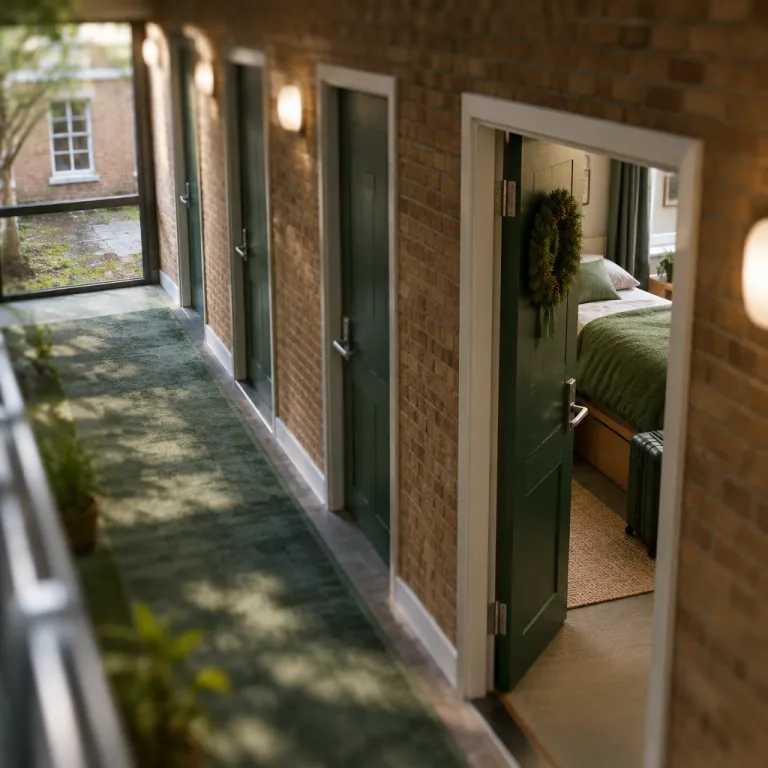
Section 1 – The real cost of a student room over winter break
Luxury student accommodation feels effortless in October, then winter break planning exposes every clause you skimmed. As campus winter schedules appear and families start pricing flights, the quiet question behind the glossy housing brochure is simple but brutal: who actually keeps paying for this room when you are not here. If you want a premium stay without premium regret, you need to read the housing application and winter break terms now, not in december.
Most full year housing will charge straight through december january, so your elegant residence does not pause the rent just because classes stop. In many residence halls the contract treats winter like any other week, which means the room remains yours on paper even if you do not stay campus and fly home. That is why students and parents should ask the housing office or leasing agent whether the housing will remain accessible, or whether a formal break housing agreement is required to keep card access active.
On university managed residence halls, the rules for winter break housing are usually defined in a separate section of the license. Public examples are easy to find: the University of Michigan, for instance, requires a specific “winter term housing” application for students who want to remain in selected halls, while the University of Florida publishes a separate winter break agreement that lists dates, fees and access rules. Surveys by the American Council on Education and the Association of College and University Housing Officers – International show that a clear majority of institutions require some form of break-stay application, which means most students must submit an application if they plan to remain campus during the break.
Premium private housing near campus often feels more flexible, but the lease still governs every stay. Some operators allow residents to remain campus without extra fees, while others treat winter break as an optional add on similar to a summer extension. Before you commit to long haul tickets, ask in writing whether break will incur a surcharge, whether any break closing dates affect your arrival, and whether january residents returning early pay a different rate.
Section 2 – Staying on campus: quiet luxury or expensive ghost hall
Once you know you keep paying, the next decision is whether you actually stay campus for winter break. In high end residence halls the building can feel like a private club during december, with only a handful of residents approved to remain campus and enjoy the silence. That calm can be priceless for international students balancing jet lag, exam recovery and a housing application for spring break internships.
The trade off is that campus winter operations usually run on reduced resources, even in premium housing. Dining options shrink to a single café or limited meal plans, service desk hours shorten, and maintenance teams focus on safety checks rather than cosmetic fixes. Ask whether your existing meal plan continues, whether special winter break housing will include any dining credit, and how mail packages are handled when most students and staff have left the hall.
Security is the other side of this quiet luxury, especially for parents evaluating a premium family budget. In many residence halls, card access is tightened so only break residents approved can enter, and visitors may be restricted to protect a half empty building. Clarify whether housing will lock internal doors, whether the service desk monitors arrivals, and whether any break closing procedures include room inspections while you stay.
For students in city campuses like New York, staying can be a strategic choice rather than a sacrifice. A refined property near Hunter College, for example, might keep residence halls open so january residents can use the city as a winter classroom, and you can read detailed guidance in this review of elevated Hunter University dorms and refined student housing in New York City. The key is to ask whether break housing is guaranteed for all students or only for those with specific needs, and whether the housing will charge per night, per week or as a flat december january fee.
Section 3 – Leaving your room: storage, security and what actually stays
If you decide not to stay campus, the next question is what happens to your belongings during winter break. Many residence halls allow students to leave their things in the room provided they are returning in january, but physical access may stop once card access is switched off at break closing. That means your room remains legally yours while you are away, yet you cannot visit the residence or collect forgotten items until the service desk reopens.
Luxury and premium housing operators tend to offer better storage resources, but they still work within strict safety rules. Some residence halls run supervised room checks before december, asking break residents and those leaving to unplug appliances, clear perishable food and secure valuables in lockable drawers. You should ask whether housing will enter your room during the break, whether mail packages are stored centrally, and whether insurance covers an empty residence if a pipe bursts in the middle of the week.
For compact studios and small ensuite rooms, winter is when design details really matter. A well planned twelve square metre room with raised beds, deep wardrobes and under bed storage lets students pack away winter coats, luggage and textbooks without leaving the space looking abandoned, and you can see how this works in practice in this guide to making a small room feel like somewhere you want to be all winter. Ask whether your residence provides storage cages, whether break residents approved get priority, and whether housing will label anything left in shared kitchens before a deep clean.
International students should also think about what they carry home versus what they leave. Expensive electronics, passports and key documents should travel with you, even if the residence halls feel secure and the housing will run extra patrols during campus winter downtime. When in doubt, photograph your room before you leave, log serial numbers, and confirm in writing how long the residence will keep uncollected mail packages or parcels delivered between december and january.
Section 4 – Sublets, short lets and the fine print nobody reads
Premium student housing is tempting real estate, so winter break always attracts talk of sublets and short lets. The reality is that most residence halls and university housing contracts ban informal subletting outright, especially during break housing periods when only residents approved to remain campus should have card access. Even in private housing, any plan to let a friend stay in your room for a week can breach the lease and void insurance.
Before you even consider a sublet, read the clauses on guests, assignments and use of the room. Many housing application forms state that only the named student may occupy the residence, and that housing will treat any payment from a third party as an unauthorised transfer of rights. That is why scams flourish around winter break, with fake listings for residence halls that are actually closed and break residents who risk losing their stay campus privileges by renting out beds.
Instead of subletting, focus on maximising the value of a room you keep but do not use for several weeks. Some operators allow you to pause optional meal plans for december january, or to downgrade a premium meal plan while you are away, which can offset the cost of an empty room. Ask whether break will trigger any extra cleaning fees, whether the service desk can forward mail packages, and whether january residents returning late can claim any credit for unused days.
For students with disabilities or complex health needs, the fine print matters even more during winter. Policies about who may remain campus, how quickly maintenance responds, and whether the residence halls keep accessible routes clear in snow can define whether a quiet break feels safe, and this is explored in depth in our guide to accessible student accommodation and disability support in practice. Whatever your situation, speak directly with the housing office, the leaseholder or tenant if you share, and your roommates, so everyone understands who will be in the room, who will hold the keys, and how the residence will operate from december through january and into spring break.
FAQ
Can I leave my belongings in my room over winter break ?
In many residence halls you can leave belongings if your contract continues into spring, but you may lose physical access once card access is disabled at break closing. Always confirm whether housing will enter for inspections, whether anything left in shared spaces is discarded, and whether your insurance covers items in an unoccupied room. If you are not returning as one of the january residents, you are usually required to clear the room completely.
Do I have to move out of my residence hall during winter break ?
Policies vary, but many universities require a specific winter break housing application if you want to remain campus when the residence halls officially close. If you do not apply or are not among the residents approved to stay, you must vacate by the published break closing date. Private luxury housing near campus winter facilities often stays open, yet you should still check whether any restrictions apply to guests or extended absence.
Is there usually an extra fee to stay on campus during winter break ?
On university managed housing, there is often a separate charge for winter break housing, either per night or for the full december january period. Private residences sometimes bundle the cost into the annual rent, but may still charge for extended guest stays or special services. Ask the service desk or housing office to confirm in writing what the break will cost and what level of dining or meal plans are included.
What services stay open in student housing over the holidays ?
During winter break most campuses reduce operations, so only essential resources remain campus wide. Expect limited dining, shorter service desk hours, slower maintenance and fewer staff on duty in residence halls, even in premium housing. Before you decide to stay campus, check how mail packages are handled, whether security patrols increase, and whether any emergency contact line operates twenty four hours.
Can I rent my room to someone else while I am away for winter break ?
Most student housing contracts, especially in residence halls, forbid subletting or renting your room to another person during winter break. Allowing non residents to stay can violate safety rules, compromise card access systems and risk eviction or fines, even if you think the arrangement is informal. If you want to offset costs, speak with the housing office about legal options rather than arranging an unofficial sublet that could damage your record for future housing applications.