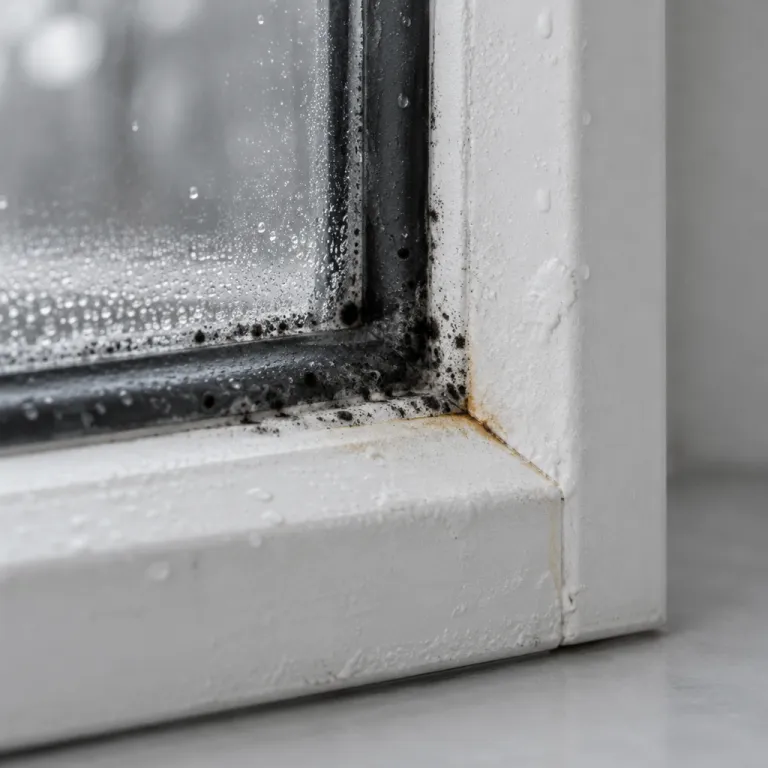
Why premium student rooms become damp traps in winter
Luxury student accommodation promises calm living spaces, but winter tests every property. When the temperature drops, moisture in the indoor air heads straight for the coldest surfaces and turns into condensation on windows and external walls. In many premium student housing schemes, that is the moment when a sleek student house suddenly feels like a hidden damp and mould problem in disguise.
The physics is simple yet relentless: warm, moist air from breathing, showers and cooking meets a cold window or wall and becomes water droplets. Over each day and night cycle, that excess moisture soaks into paint, plaster and sealant, and black mould spots appear around the window frame or behind furniture. This is not about how expensive the student property looks on the brochure, but about how it handles damp, indoor humidity and ventilation when the heating is on low to protect energy bills and keep relative humidity around 40–60%.
Student rooms are damp magnets because of how we live in them, not just how they are built. A single student can generate around 2–3 litres of water vapour a day through breathing, cooking and laundry indoors, and several students in a flat doing the same multiplies the load. When windows stay shut, the extractor fan is weak and the window open policy is basically “never”, you get condensation, musty air and student accommodation that feels more like a wet cave than a premium base.
Condensation you can manage versus structural damp you should report
Before you panic about mould, you need to separate everyday condensation from structural damp that is the landlord’s responsibility. Condensation tends to show as fine water beads on the inside of windows, with mould forming in fuzzy patches on the sealant or paint nearby. Structural damp in a student house usually means moisture coming through the building fabric, leaving tide marks, crumbling plaster or mould that spreads even when the window area looks dry.
There is a practical test you can run over a week in the cold season. If you wipe the window and frame dry each morning, keep a small dehumidifier running and use the bathroom extractor fan properly, light mould around the window that stops growing is probably condensation related. When black mould returns quickly, walls feel cold and clammy over a large area and you see water staining or blistering paint, you are likely looking at a property level damp issue that no amount of student effort will fix.
At that point, the landlord or property manager moves from optional help to essential actor. They are responsible for repairing failed seals, leaks around windows and any structural water ingress that threatens environmental health in the building. If heating failures are part of the pattern, read a clear guide on your rights when the heating dies in December, because cold rooms drive condensation and mould growth faster than any other factor and may breach basic housing standards.
Daily habits that keep winter condensation under control
Even in a high end student housing block, your daily routine will decide whether the window frame stays clean or turns speckled black by October. Start with the basics: keep the indoor temperature steady around 18–20 °C where possible, because big swings between hot evenings and cold nights push moisture onto windows. Short, sharp ventilation bursts with the window open for five to ten minutes will help clear humid air without freezing you or wasting too much on energy bills, especially if you aim to keep indoor humidity below about 60%.
Laundry indoors is the silent villain of many damp complaints in student rentals. When you dry clothes on radiators or airers in a small student room, every sock becomes excess moisture in the air, which then lands on the nearest cold window or external wall. Use a dedicated laundry room or a well ventilated space whenever you can, and if you must dry clothes in your room, pair them with a dehumidifier of at least 8–12 litres per day capacity and an open windows routine to keep relative humidity in a healthier range.
Cooking and showers are the other daily moisture engines in a student house. Always run the kitchen extractor fan while boiling water or frying, and keep the bathroom fan running for at least twenty minutes after a shower to pull damp air out. When you arrive at new university apartment homes with luxury student living in mind, check that these fans are effective and not just cosmetic; good extraction will help keep living spaces comfortable, protect your health and stop mould from becoming a recurring guest. A simple daily checklist is: heat steadily, ventilate briefly, use extraction, limit indoor laundry and wipe wet windows.
Health, safety and when to escalate a damp complaint
Black mould on a window frame is more than a cosmetic annoyance in a student accommodation. Mould releases spores into the air, and for some people with asthma, allergies or other respiratory conditions, that can aggravate symptoms over the year. The NHS and other public health bodies warn that damp and mould can increase the risk of respiratory infections and worsen existing breathing problems, so the goal is not to panic, but to treat any persistent growth as a sign that the living environment needs attention for both comfort and health.
When you first see mould, clean it safely and document everything. Wear gloves and a simple mask, wipe moisture and visible mould with a damp cloth, then use a mould killer or diluted bleach on the affected window frame, sill and nearby wall, and dry the area thoroughly. As one practical guide puts it, “What causes black spots on window frames? Condensation or water ingress causing mould growth” and “How to clean mould safely? Wear gloves, scrub with mould-killer or bleach solutions at roughly one part bleach to ten parts water, dry fully” and “When should landlord repair? If sealant leaks, sealed unit fails, or structural leak exists”.
After cleaning, take clear photos of the window, the wall and any water staining, then send a dated email to the landlord or property manager describing the damp, the steps you took and asking what they will do next. If the problem returns quickly or spreads, raise environmental health concerns with the operator and, if necessary, with local housing or environmental health teams in your city. For longer tenancies or multiple premium leases, it is worth reading about being a guarantor more than once for luxury student accommodation leases, because your guarantor may also want reassurance that the property is being maintained properly and that landlord responsibilities are being met.
Reading a building before you book: signs of chronic damp
When you tour a luxury student property, you are not just choosing a stylish house; you are choosing the air you will breathe all winter. Look closely at windows, especially on shaded elevations and ground floor rooms, for any faint mould rings, peeling paint or swollen timber around the frame. Run your hand along external walls behind beds and wardrobes, because cold, slightly clammy plaster can signal long term excess moisture and poor ventilation in those living spaces.
Ask direct questions about how the building handles damp and condensation. A responsible operator will talk about mechanical ventilation, regular checks on extractor fan performance and guidance for students on how to balance heating, open windows and energy bills. If staff brush off mould as “just student mess” or blame every issue on laundry indoors, without mentioning their own maintenance duties, that is a red flag for how they will help when problems appear mid year.
Pay attention to the small operational details that rarely make it into glossy posts on social media. Are vents painted shut or actually open, and do windows have trickle vents you can adjust on a cold day when you do not want the window open wide. In shared kitchens, is there a working dehumidifier or clear signage about how to dry clothes and use the extractor fan, or are students left to improvise in ways that push humid air into bedrooms and turn a premium student house into a mould hotspot by the end of winter.
FAQ
How can I tell if my room’s damp is my responsibility or the landlord’s ?
If damp appears mainly as condensation on the inside of windows, with light mould around the frame that improves when you ventilate, heat steadily and use a dehumidifier, it is usually linked to daily habits. When you see widespread mould on walls, crumbling plaster, water staining or damp patches that stay wet even on dry days, that points to structural damp the landlord must investigate. Always document both types with photos and written notes so you can show what you have done and what still needs professional attention, and be ready to contact local housing or environmental health services if nothing changes.
What daily routine will help reduce condensation in a student room ?
Keep a stable background temperature, use the bathroom and kitchen extractor fan every time you cook or shower, and open windows briefly several times a day to flush out humid air. Avoid drying clothes directly on radiators in small bedrooms, or pair that habit with a dehumidifier and short bursts of ventilation to limit excess moisture. Wiping down wet windows and sills each morning will help stop mould from taking hold on frames and nearby paintwork, and a simple humidity meter can confirm you are staying around or below 50–60% relative humidity.
Is black mould around the window frame dangerous for my health ?
Black mould can release spores into the air, which may irritate the airways of people with asthma, allergies or other respiratory conditions. Short term exposure in a lightly affected student accommodation is often manageable if you clean it promptly and improve ventilation, but persistent or extensive mould is a legitimate environmental health concern. If you notice symptoms worsening in your student housing, seek medical advice and press the landlord to address the underlying damp, not just wipe the surface, as public health guidance stresses the importance of fixing the cause.
What should I do first when I notice mould in my student accommodation ?
Start by cleaning the affected area safely with gloves, a mask, a damp cloth and an appropriate mould cleaner, then dry the surface thoroughly. Next, adjust your routine for a week by improving ventilation, using the extractor fan and reducing laundry indoors in that room to see whether the mould returns. At the same time, email your landlord or property manager with photos and a clear description so there is a record if the problem turns out to be structural damp that requires repairs and possible inspection by environmental health officers.
What are warning signs of a building with a chronic damp problem before I sign ?
During viewings, look for peeling paint, swollen skirting boards, musty smells in corridors and visible mould spots around windows or behind furniture, even if they have been painted over. Ask how often maintenance checks humidity levels, services extractor fans and inspects windows for leaks, and listen carefully to whether staff take damp complaints seriously. If several current students mention recurring mould, high condensation and little practical help from management, consider another property before committing to a full year contract, because chronic damp can affect both comfort and health.