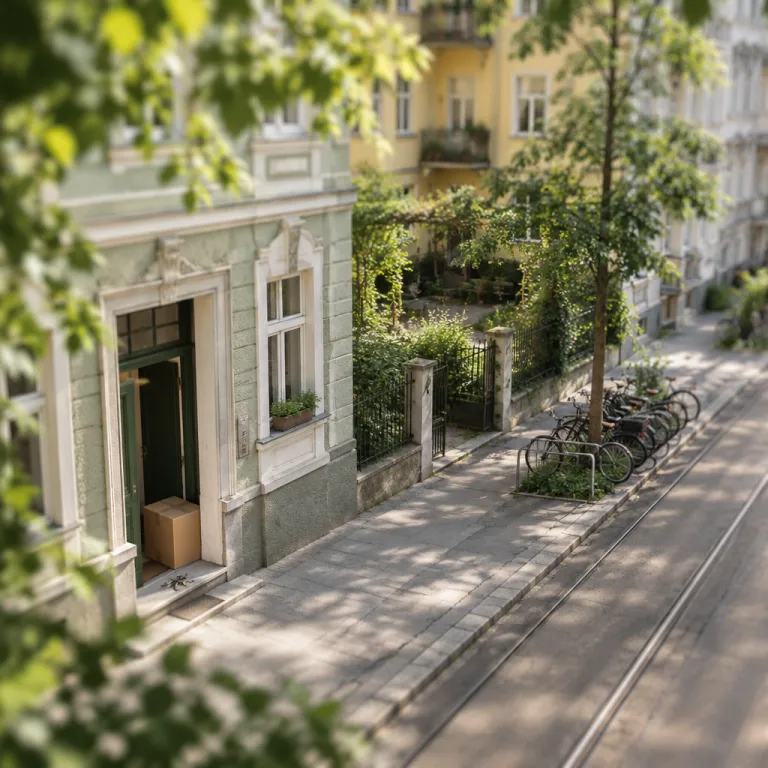
Why Vienna quietly outperforms as a student city
Vienna rarely shouts for attention, yet the city works beautifully for the serious student. This student accommodation Vienna guide starts with one simple truth: the combination of efficient public transport, compact district living, and a deep cultural calendar makes daily living feel calm rather than chaotic. For students who want housing options that respect both their study schedule and their social life, Vienna offers a rare balance.
The city’s 23 districts form a ringed pattern around the historic centre, and that structure matters when you start your accommodation Vienna search. Inner districts place you close to university buildings, galleries, and the grand cafés, while outer districts trade postcard views for more generous student apartments and quieter streets. When you plan your move, you will quickly see how the metro, trams, and buses turn even distant student housing into a realistic choice for late seminars or early language classes.
Local and international students consistently mention the same strengths when they talk about living in Vienna. They highlight the feeling of safety at night, the reliability of public transport, and the way green spaces cut through the urban grid, which all shape where a student will want to book accommodation. This guide treats Vienna as a network of urban retreats for students, not as a list of tourist sights, so every district description focuses on how it feels to live, study, and share apartments there week after week.
When you compare Vienna with louder student destinations, the difference is rhythm rather than energy. The city’s cultural life runs all year, from small theatres in the 7th district to riverside bars in the 2nd, and that continuity rewards students who stay beyond a single term. For a private student who values both quiet nights and a strong social hub, the right housing Vienna choice can turn a good semester into a formative chapter. As one Erasmus student from Spain put it, “I came for one semester and stayed for three years because the city makes long study days feel sustainable.”
Inner districts: character, proximity, and premium student residences
The inner districts of Vienna are where many students first look for accommodation, and with reason. Neubau in the 7th district, Alsergrund in the 9th, Wieden in the 4th, and Leopoldstadt in the 2nd are repeatedly named as areas that balance cost, proximity, and vibe for students. When you walk these neighbourhoods, you feel how cafés, libraries, and tram stops cluster together, which makes everyday student living unusually efficient.
Alsergrund is the classic choice for a medical or science student, because several university faculties sit within easy walking distance of tram lines and compact streets. The Medical University of Vienna and parts of the University of Vienna campus are based here, and most buildings sit 10–20 minutes by tram from the historic centre. Here you will find a mix of traditional student dormitories, renovated student residences, and private apartments Vienna offers in older buildings with high ceilings and creaking staircases. Many of these apartments are shared apartments with utilities included in the rent, so they feel move ready even if you arrive with only two suitcases and a laptop.
Neubau and Wieden attract international students who want a social hub on their doorstep, not just a quiet room. In Neubau, student apartments above galleries and record shops create a vertical campus, while Wieden’s side streets hide fully furnished shared apartments that suit flexible booking dates and mid semester arrivals. Typical rents for a room in a shared flat here range roughly from €550 to €750 per month, depending on size and condition. These districts are also where you start to see more premium private student housing Vienna has developed, with design led common rooms, study lounges, and on site laundry that echo the urban luxury living reviewed in guides to places like The Luxx in San Antonio.
Leopoldstadt, across the Danube Canal, feels slightly removed yet remains central thanks to fast public transport links. The University of Vienna’s main buildings and TU Wien can usually be reached from here in around 15–25 minutes by U-Bahn. Student accommodation often means larger apartments Vienna provides in post war blocks, plus some newer student residences near the Prater park that function as calm urban retreats after long days on campus. For students who want to find accommodation Vienna that keeps them close to the city’s cultural core without the full inner ring price, Leopoldstadt can be a smart compromise.
Outer but connected: value, green space, and alternative traditional housing
Move beyond the inner ring and Vienna starts to show its quieter strengths for students. Districts like Rudolfsheim Fünfhaus in the 15th and Favoriten in the 10th offer housing options that feel more affordable while still being stitched tightly into the public transport network. These areas are not polished, but for a student who values space and authenticity, they can be the right kind of alternative traditional choice.
Rudolfsheim Fünfhaus sits just west of the centre, and its streets mix long term local residents with waves of international students drawn by lower rents. Here, student housing often means shared apartments in older blocks, where utilities included in the rent simplify budgeting and leave more room for travel or cultural tickets. A room in a WG (shared flat) can start around €450–€600 per month, with the University of Vienna and TU Wien reachable in roughly 15–25 minutes by tram or U-Bahn. The atmosphere is lived in rather than curated, which suits students who prefer a real neighbourhood over a campus bubble and who are comfortable navigating a more mixed urban fabric.
Favoriten, to the south, has become a magnet for international students who want larger student apartments and do not mind a slightly longer commute. The U-Bahn lines cut journey times to the main university campuses, so even private apartments that sit several kilometres from the Ring remain practical for early lectures. From many parts of the 10th district, you can expect 20–30 minutes to the University of Vienna or TU Wien, and rents for small studios often start around €650–€800. If you have read about refined internship housing in places like Somerville for ambitious summer interns, you will recognise the same logic here; accept a longer ride in exchange for more space, better light, and sometimes a balcony.
Further out, green districts such as Hietzing, Währing, and Döbling appeal to students who prioritise parks and quiet streets over nightlife. In these areas, student accommodation Vienna guide readers will find more private student residences, small student dormitories, and family run apartments Vienna offers on upper floors of villas and townhouses. Commutes from these neighbourhoods to central universities usually sit between 20 and 35 minutes by tram or U-Bahn, but the trade off is access to places like Schönbrunn or the vineyards above Döbling. For a student who studies late and prefers to socialise in kitchens rather than bars, this kind of district living can feel like an urban retreat wrapped in trees and tram lines.
Choosing between student dormitories, private residences, and shared apartments
Vienna’s student housing landscape is varied, and the right choice depends on how you like to live. Traditional student dormitories offer structure, fixed meal plans, and a ready made social hub, which can be reassuring for a first year international student. However, these buildings sometimes feel institutional, and their rules may not suit students who want flexible living arrangements or late night creative projects.
Private student residences sit at the premium end of the market, with fully furnished studios, high speed internet, and utilities included in a single monthly payment. These properties often mirror the urban luxury student residences reviewed on sites like Marian Spencer Hall in Cincinnati, offering move ready apartments, on site gyms, and curated events that help international students build a network quickly. For a student who values time and predictability, the ability to handle booking, contracts, and maintenance through one professional équipe can justify the higher cost.
Shared apartments remain the backbone of student accommodation in Vienna, especially for those staying beyond one term. In these flats, a student will usually rent a private room while sharing kitchen, bathroom, and living space, which keeps costs manageable and creates daily contact with both local and international students. Many of these apartments Vienna offers are fully furnished, and when utilities included cover heating and internet, budgeting becomes simpler for students juggling part time work and study.
Some students blend models over their degree, starting in student dormitories for orientation, then moving into shared apartments or private residences once they understand the city. This student accommodation Vienna guide encourages you to think in stages rather than locking into a single housing option for your entire study period. As one local summary puts it, “Neubau (7), Alsergrund (9), Wieden (4), Leopoldstadt (2) balance cost, proximity, vibe” while “Rudolfsheim Fünfhaus (15), Favoriten (10) provide value though mixed vibe”, and those trade offs apply across housing types as much as across districts.
Everyday student life: transit, bureaucracy, and making the city yours
Once the booking is done and your keys are in hand, the real test of any student accommodation is how it supports daily life. Vienna’s dense public transport network means that even if you live in a quieter outer district, you can still reach your university, part time job, or favourite café quickly. For students, this turns more distant housing options into realistic choices rather than compromises made under pressure.
International students should prepare for some bureaucracy when they move, from residence registration to university paperwork, but the process is manageable with patience and clear information. The University of Vienna, TU Wien, and the Medical University of Vienna all provide English language guidance on enrolment and residence permits, and local student unions often publish checklists in English. Many student residences and private apartments have staff or landlords who are used to guiding a new student through these steps, and planning a move ready arrival, with copies of documents and a clear timeline, will reduce stress and let you focus on settling into your district living routine.
Food, green space, and culture shape the texture of student living in Vienna more than any ranking. Markets in districts like the 4th and 6th provide affordable ingredients for shared dinners in student apartments, while parks along the Danube and in Hietzing offer space to reset after exams. Over time, your chosen accommodation Vienna address becomes less a place to sleep and more a personal urban retreat, where friendships, late night study sessions, and quiet mornings with coffee all anchor your experience of the city.
This student accommodation Vienna guide treats the city as a long term partner for your study plans, not just a backdrop. Whether you choose student dormitories near campus, a private student residence with all utilities included, or a lived in shared flat in a mixed district, the key is alignment between your housing Vienna choice and your daily rhythm. If you respect that match, Vienna will reward you with a calm, cultured, and quietly ambitious chapter of your life.
FAQ
Which Vienna districts feel most balanced for students?
Neubau in the 7th, Alsergrund in the 9th, Wieden in the 4th, and Leopoldstadt in the 2nd are often cited by students as areas that balance proximity to university buildings, a strong social hub, and manageable commutes. These districts offer a mix of student residences, shared apartments, and private housing, all well served by public transport. They suit both local and international students who want character without sacrificing practicality.
Is it realistic to live in an outer district and study in the centre?
Yes, the strength of Vienna’s public transport network makes outer district living entirely workable for students. Metro, tram, and bus lines connect districts like Favoriten, Rudolfsheim Fünfhaus, and Hietzing to central campuses in predictable travel times. Many students choose these areas to gain larger apartments or greener surroundings while still reaching the city centre quickly.
How should international students choose between dormitories and private residences?
Traditional student dormitories suit international students who want structure, fixed costs, and an immediate community, especially in their first semester. Private student residences, by contrast, appeal to those who prefer fully furnished, move ready studios with utilities included and more flexible booking terms. The choice often comes down to budget, desired level of independence, and how long you plan to stay in Vienna.
Are shared apartments a good option for a first time student in Vienna?
Shared apartments can be an excellent option if you are comfortable with a bit of independence and open communication. They usually offer a private room with shared kitchen and living spaces, which helps students integrate with both local and international flatmates. For a first time student, this model can provide a good balance between affordability, social contact, and everyday language practice.
What makes Vienna stand out from other European student cities?
Vienna stands out for its combination of high quality public transport, extensive green spaces, and a cultural life that runs steadily throughout the year. The city’s 23 districts offer varied housing options, from central student residences to quieter outer neighbourhoods, all connected by reliable transit. For many students, this mix of calm living conditions and serious cultural depth makes Vienna feel like a long term, livable choice rather than a short term adventure.