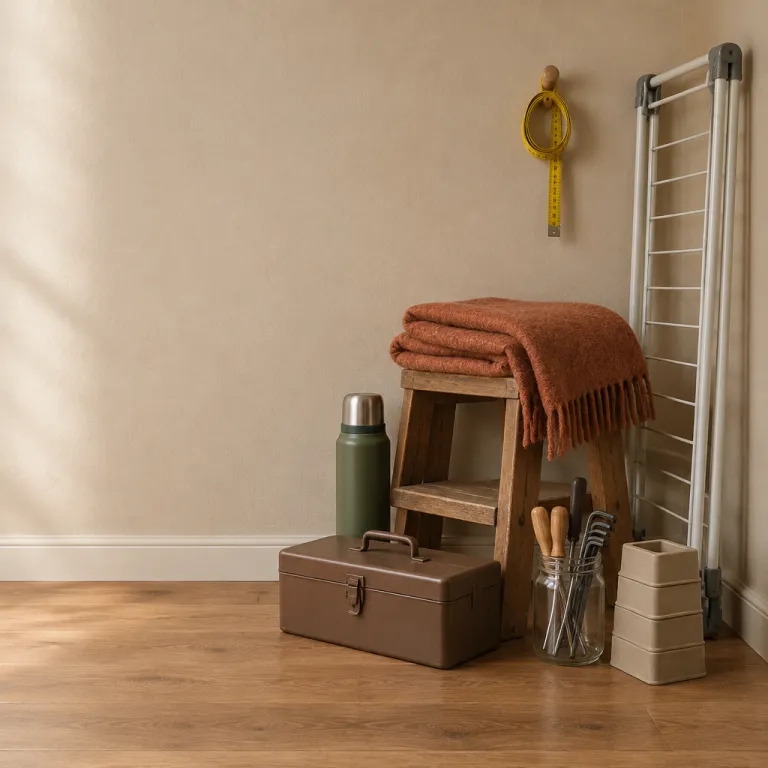
The winter psychology of a small student room
A compact student room in a premium student accommodation can feel polished yet strangely draining once the early sunsets arrive. When your entire university life collapses into one tight space, clutter, harsh lights and a bed that doubles as a desk slowly erode focus and mood over the term. The aim when decorating a small student room is not perfection but a university bedroom that will keep your energy steady on the longest evenings.
Psychologists who study environmental design consistently show that crowded student rooms raise stress levels, while clear floor space and calm colour choices lower them. For example, research from Cornell University on crowding and perceived control found that people in visually busy, cramped spaces reported higher tension and fatigue than those in tidy, organised rooms of the same size (Evans & Wener, 2007, Journal of Environmental Psychology). When you decorate a small student room, you are not just choosing room decor or decorations; you are quietly scripting how your brain will switch between work and rest every day. A uni room where the bed, laptop and dirty dishes share one square metre will always feel more exhausting than a compact accommodation where each activity has a defined corner.
Start by noticing how your current student room makes your body feel after a full week of classes. If your shoulders tense as soon as you see the bed covered in notes, your decorating plan for a small student room should prioritise separating sleep from study, even within twelve square metres. That single decision will add more long term comfort than any set of fairy lights or wall hangings ever could. A simple self-checklist helps: one clear surface for work, one clear surface for rest, and one small area that is only for downtime.
What your tenancy really allows – and how to personalise without losing the deposit
Most luxury student accommodation contracts look generous in the brochure yet become strict when you read the clauses on the wall and floor. Typical agreements include wording such as “no nails, screws or adhesive products that may damage paintwork” or “tenant must return the room in substantially the same decorative condition, allowing for fair wear and tear.” You will usually find clear rules about adhesives, picture hanging, painting and any fixings that might leave more than damage free marks on the university room surfaces. Before you decorate uni spaces, check whether removable hanging strips, hooks and soft furnishings are explicitly allowed, because this will shape every decorating decision you make for a small student room.
In many premium student rooms, you can use high quality hanging strips for wall hanging and picture hanging as long as you remove them carefully at the end of your stay. That means you can create vertical room decor with framed prints, fabric wall hangings or lightweight decorations without touching paintwork or drilling into a wall. When you keep changes reversible, you protect your room budget for travel and books instead of repairs, while still allowing the uni room to feel personal and lived in. A good rule of thumb is that anything you add should be removable in under an hour with no tools and no visible marks.
Furniture layouts are usually more flexible than students realise, especially in higher end accommodation where the bed, bedside table and desk are not fixed to the floor. Ask the university housing team whether you may rotate the bed or move a table lamp to a different socket, because small shifts in layout will change how the room feels during long winter nights. For instance, turning the bed so the headboard faces a wall rather than the door can make the space feel more sheltered. For a concrete starting point, sketch a quick floor plan on squared paper: mark a 90 cm wide bed, a 120 cm desk and a 60 cm walkway, then test two or three arrangements before you move any actual furniture.
Zoning twelve square metres for sleep, study and downtime
In a small university room, zoning is the quiet luxury that protects your concentration and your sleep. The goal is to create three psychological zones within one physical room: a study zone, a sleep zone and a downtime zone, even if each zone is only the width of a bed linen fold. When decorating a small student room, you are drawing invisible borders that tell your brain when to focus and when to switch off.
Start with the bed, because it anchors how the whole space will feel through winter. If possible, position the bed so that your laptop screen at the desk is not directly visible when you lie down, using a tall shelving unit or clothes rail as a partial divider that doubles as storage solutions. A simple change in orientation, combined with a dedicated bedside table and warm table lamp, will help your body associate the bed with rest rather than late night university deadlines. A basic before-and-after layout can guide you: before, the bed faces the desk and shares a bedside surface with textbooks; after, the bed faces a blank wall, the desk moves closer to the window, and a small lamp plus book live on a separate bedside table.
The study zone should sit closest to the main lamp or brightest lights, with a clear wall in front of you to reduce distraction. Use that wall for a calm pinboard rather than chaotic wall hangings, and keep only current projects visible so the room feel does not become permanently anxious. For downtime, reserve a corner of the uni room near the window or a soft floor rug, and add fairy lights on damage free hanging strips to signal that this is where you close the laptop and let your mind breathe; if you are curious about how greenery can support this, reviews of biophilic design in student housing (for example, Browning, Ryan & Clancy, 2014, Terrapin Bright Green) explain when plants and green walls genuinely help and when they are just decoration. Even one low maintenance plant on the windowsill can provide a visual break from screens.
Warmth, texture and light: making an institutional room feel human
Luxury student accommodation often nails the glossy finishes but forgets how a student actually feels in the room on a freezing, wet evening. Decorating a small student room for winter is about layering warmth and texture in ways that are reversible, practical and respectful of fire rules. Think of every surface you touch or see from the bed as an opportunity to soften the institutional edges of the university space.
Textiles do the heaviest lifting here, especially bed linen, throws and cushions that you can pack or donate when you leave. Choose one grounded colour palette for the student room, then add a second accent colour through a rug, curtains or a wall hanging so the room decor feels intentional rather than chaotic. When student rooms share thin walls, heavier curtains and a soft rug also absorb sound, which will keep the uni room calmer during late night corridor traffic. A quick checklist helps: one warm throw, two cushion covers, one washable rug and, if allowed, a fabric wall hanging or tapestry.
Lighting is the other major lever, because overhead lights in a university room are rarely flattering. Use a small table lamp on the bedside table for reading, and add a second lamp on the desk so you can work without flooding the whole accommodation with glare. If your tenancy allows it, run fairy lights or LED strips along a wall using damage free hanging strips, keeping them away from fabrics and sockets so the decorations feel cosy rather than risky. Aim for warmer white bulbs (around 2700–3000K) in your lamps, as studies on light temperature and sleep suggest that cooler, blue-toned light in the evening can make it harder to wind down.
Storage, airflow and the line between homely and hazard
When the windows stay shut against the cold, a small student room can slide from snug to stale in a week. Good storage is not just about hiding clutter; it is about keeping air moving around the bed, walls and floor so damp does not creep into your university accommodation. Decorating a small student room with this in mind will protect both your health and your deposit.
Raise the bed slightly if your frame allows, and use low boxes or soft bags as storage solutions for off season clothes, spare bed linen and textbooks you rarely need. Leave a hand width gap between furniture and any external wall so air can circulate, because pushing wardrobes tight against a cold wall will trap moisture and make the room feel clammy. Keep the top of the bedside table and desk mostly clear, using vertical organisers instead, so the uni space looks calm even when your week is intense. A simple rule: if you cannot see at least half of the desk surface, it is time for a five minute tidy.
Fire safety is where many well meant decorations cross into hazard, especially in compact student rooms with limited sockets. Avoid daisy chaining extension leads for multiple lights, and never run fairy lights or LED strips under rugs or bedding, no matter how neat it looks on social media. When you are choosing a premium student accommodation, pay attention to how vents, radiators and windows are placed around the room; properties that publish clear fire safety guidance and show unobstructed heaters, vents and escape routes in their room layouts usually make it easier to decorate safely through the longest term. Many universities publish basic fire safety checklists for residents, and aligning your decor with those guidelines will keep both you and your deposit safer.
FAQ
How can I decorate a small student room on a tight budget without breaking rules ?
Focus on reversible changes that your tenancy allows, such as textiles, lighting and removable wall decor. A consistent colour palette for bed linen, a compact table lamp and carefully placed fairy lights on damage free hanging strips will change how the room feels without touching paint or fixtures. Use low cost storage solutions like under bed boxes and over door hooks to keep the space calm and functional, and prioritise one upgrade at a time: first lighting, then textiles, then wall decor.
What is the best way to zone a single university room for study and sleep ?
Place your desk near the brightest lamp or window, and keep the wall in front of it as visually quiet as possible. Position the bed so you cannot see your laptop screen from the pillow, using shelves or a clothes rail as a partial divider if the room allows. Reserve a small corner with softer lights and a different texture underfoot for downtime, so your brain associates each part of the student room with a distinct activity. Think of it as three mini-areas: bright and upright for work, soft and low light for rest, and somewhere in between for relaxing.
How do I add personality to a uni room without risking my deposit ?
Use removable hanging strips for lightweight wall hangings, prints and picture hanging, checking your contract for any brand restrictions. Layer decorations through cushions, throws and rugs rather than paint, and choose a few meaningful objects instead of many small items that create clutter. Keep everything damage free and reversible so the university housing inspection sees a clean, neutral space when you move out, even if it felt colourful and personal while you lived there.
How can I stop a small student accommodation room from feeling damp in winter ?
Leave small gaps between furniture and external walls, and avoid storing textiles directly against cold surfaces. Open the window briefly each day to refresh the air, even when it is cold, and keep wet towels or laundry away from the bed and soft furnishings. Use under bed storage that allows some airflow, and watch for condensation on windows as an early sign that you need more ventilation. If your building provides extractor fans or trickle vents, make sure they are not blocked by furniture or heavy curtains.
Which lights work best for creating a cosy but safe atmosphere in a student room ?
Combine the main ceiling lamp with two lower level lights, such as a table lamp on the desk and another on the bedside table, so you can adjust brightness for study or rest. Choose certified fairy lights or LED strips with clear safety markings, and attach them with damage free hanging strips away from fabrics and water sources. Avoid overloading sockets or running cables under rugs, and always switch decorative lights off before you leave the uni room or go to sleep. Warmer bulbs in the evening and brighter, cooler light during daytime study will help your body keep a healthy rhythm.