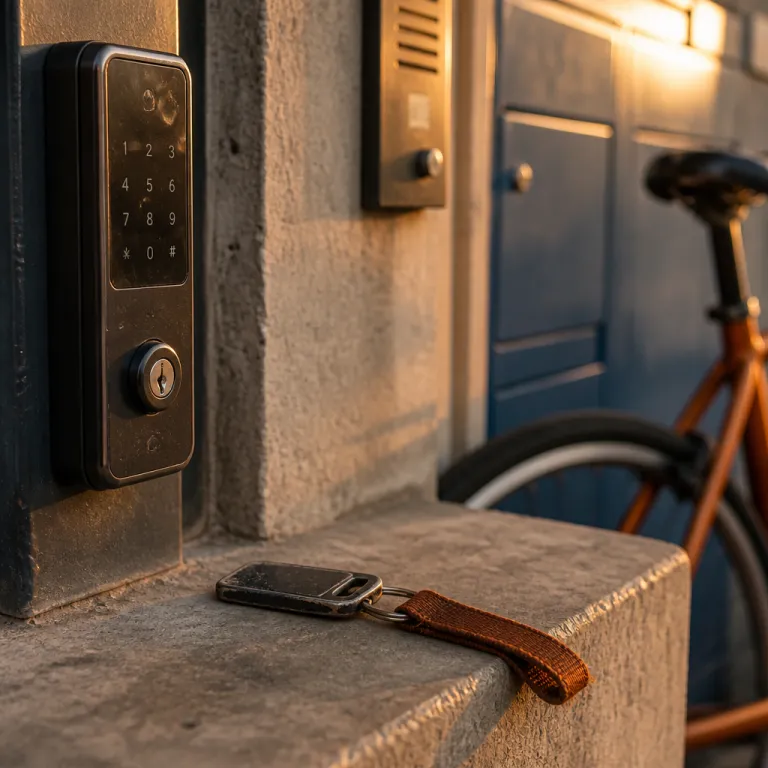
Smart student accommodation technology for the autumn move in
Autumn arrivals now step into student housing where the key is code based, not cut metal. For couples planning a premium student living base near campus, smart student accommodation technology quietly shapes every corridor, lift lobby and shared kitchen you will use daily. The question is simple yet crucial for students and their partners: which smart technology genuinely improves your living experience, and which tech is just marketing gloss.
Across new student apartments in the United States and the United Kingdom, operators treat smart tech as standard infrastructure rather than an optional upgrade. Purpose built student housing with integrated technologies now uses digital access systems, resident apps and building management platforms to coordinate everything from parcel delivery to energy control. For a tech student or technology student choosing a long stay, understanding how these systems work in practice will help you read between the glossy brochure lines and ask sharper questions during viewings.
At The Collective at Norman in Oklahoma, Preiss and IRIS Technologies have already rolled out mobile wallet access for off campus residents, as reported in their joint case study on digital access (Preiss & IRIS Technologies, 2023). Their implementation shows how smart locks, access control and mobile first systems can reduce lockouts, cut operational costs and still keep security tight for students and visiting partners. When you tour any housing smart development this autumn, you should expect the same level of smart living sophistication, not a half finished experiment in digital amenities.
Digital keys, smart locks and what to test before you sign
Digital keys sit at the heart of smart student accommodation technology, and they are transforming how residents move through buildings. Providers such as Gatewise and Operto now offer mobile first access control solutions that let students tap into doors, gates and elevators with phones or wearables instead of traditional keys. Preiss and IRIS Technologies have gone further by integrating Apple Wallet and Google Wallet so that mobile wallet access becomes part of everyday student living rather than a novelty.
One verified benefit stands out from operator reports: “They eliminate physical keys, reducing unauthorized access.” That single line explains why premium student housing operators are investing in smart locks, layered security systems and building wide access control technologies that still feel effortless for residents. During an autumn viewing, you should test how quickly the app opens doors, whether the system works without internet, and how staff handle access when a phone is lost, stolen or simply out of battery.
Case studies from Quext, a multifamily and student housing technology provider, show an 85.5% resident adoption rate and a 38% reduction in after hours maintenance calls once digital keys and access management systems are fully deployed (Quext Smart Access Report, 2022). Those numbers matter when you are paying for a high end student apartments package that promises both comfort and reliability for two people. One leasing manager described the change simply: “We spend less time on lockouts and more time actually supporting residents.” For a sense of how elevated student living can look when tech, security and hospitality align, compare these systems with the kind of premium set up described in this review of elevated student living at College Park, then ask your leasing team why their housing solutions do or do not match that benchmark.
Resident apps, parcel lockers and the real daily living experience
Resident apps are where smart student accommodation technology becomes visible every single day, especially for couples juggling classes, internships and travel. The best apps centralise maintenance tickets, community boards, parcel notifications and even smart lighting or smart thermostats control into one clean interface. Poorly designed systems, by contrast, bury essential management tools under social features that students and partners rarely open after the first week.
When you tour a property this autumn, ask the leasing team to walk you through the resident app live on their phone. Check how quickly a maintenance request loads, how parcel lockers are assigned, and whether you can manage smart locks, security systems and digital amenities without switching between multiple apps or websites. A strong platform should support both individual student living needs and the shared routines of couples, from laundry reminders to guest access control for visiting friends or family.
Parcel infrastructure deserves special attention because high speed delivery has become part of modern student housing culture. Look for clearly labelled parcel lockers, reliable speed internet in the lobby where you might wait for couriers, and systems that notify residents instantly when packages arrive. One student couple in a new build scheme described the difference as “finally not having to chase missing parcels between reception and the mailroom.” For a deeper sense of how co living, shared spaces and housing smart design shape the overall living experience, read the analysis of value driven co living in this guide to essential student apartments in Houston and compare how your shortlisted buildings handle deliveries, storage and community spaces.
Energy, connectivity and community in tech enabled student living
Smart energy management is the quiet backbone of smart student accommodation technology, especially in premium buildings with all inclusive pricing. Smart thermostats, metering systems and building wide technologies allow operators to track consumption precisely, which can make all inclusive packages more transparent for students and their partners. When a property team can show you clear digital data on heating, cooling and lighting, you gain confidence that your rent funds efficient housing solutions rather than wasteful systems.
Connectivity is just as critical as comfort, because high speed internet now underpins both study and leisure for residents. During a viewing, run a speed test in the lobby, in shared lounges and inside sample student apartments to confirm that speed internet promises match reality. Ask whether the network is designed for multiple devices per person, how the tech team handles outages, and whether the building’s smart tech still functions when the internet drops temporarily.
Community features within resident apps can turn anonymous student housing into a supportive, international community for students and couples. Look for moderated boards where residents can organise study groups, language exchanges or weekend trips, and for systems that allow safe, controlled event sign ups without exposing personal contact details. For more context on how shared kitchens, lounges and co living layouts interact with digital amenities and smart living design, explore the discussion of shared spaces in this guide to co living value in student housing and use it as a checklist when you walk through your next viewing.
FAQ
How do digital keys improve security in student housing ?
Digital keys improve security in student housing by removing the risk of copied or lost physical keys and by linking access to individual devices and accounts. As operator case studies confirm: “They eliminate physical keys, reducing unauthorized access.” In practice, that means operators can track who enters which areas, adjust access control instantly for residents or staff, and integrate smart locks with wider security systems for a safer student living environment.
Can digital keys work without internet in smart student buildings ?
Most modern smart locks and digital key systems are designed to function even when devices are offline. Industry guidance states clearly: “Yes, they function even when devices are offline.” For students and couples, this means you should still be able to enter your student apartments or shared spaces even if the building’s internet is down or your phone temporarily loses signal.
Are digital keys compatible with all smartphones used by students ?
Compatibility depends on whether a smartphone supports the mobile wallet or app used by the building’s technology provider. Verified guidance from access control vendors explains: “They work with devices supporting Apple Wallet or Google Wallet.” Before signing a lease in any smart student housing development, check that your current phone and your partner’s device can both run the required app and store the digital keys reliably.
What should I test on a tour of tech enabled student housing ?
On a tour, test the responsiveness of the resident app, the reliability of smart locks at main entrances and your sample unit, and the strength of high speed internet in multiple locations. Ask staff to demonstrate how maintenance tickets, parcel notifications and access control are managed in real time, and request to see fallback procedures for when phones are lost or batteries die. You should also ask how smart thermostats, lighting and other technologies are monitored within the building’s management systems to support both comfort and cost transparency.
How do resident apps and digital amenities affect daily student living ?
Resident apps centralise many aspects of daily student living, from booking shared spaces to reporting issues and receiving community updates. When designed well, these digital amenities reduce friction for residents, shorten response times for maintenance and create a clearer link between housing management teams and the student community. For couples, a strong app can simplify coordinating deliveries, guests and shared chores, turning smart living features into tangible improvements rather than just tech themed marketing.