Why winter comfort in student housing starts with the building shell
When you book premium student accommodation, the real luxury is warmth. True winter comfort in any student housing depends first on how the building shell handles energy, not on mood lighting or a plant wall in the lobby. If you want an efficient student experience that quietly protects your budget, you need to read the walls, windows and roof before you fall for the branding.
The most energy efficient student accommodation usually has continuous wall and roof insulation, high quality double or triple glazing and careful draught proofing around every opening. In many temperate climates, modern building regulations aim for external wall U values around 0.18–0.30 W/m²K and roof U values near 0.11–0.20 W/m²K, which can cut space heating demand by 30–50% compared with uninsulated stock. These features improve energy efficiency by slowing heat loss, which directly reduces energy consumption and keeps heating cooling systems from working overtime. That combination helps students cut energy costs while maintaining sustainable living standards that feel calm rather than hair shirt.
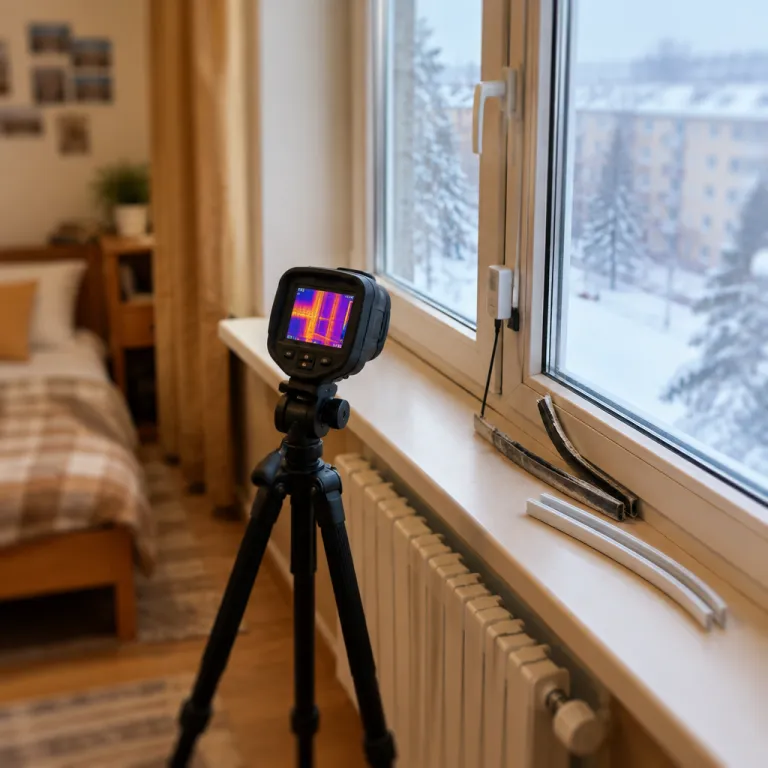
On a viewing, ask the accommodation providers to explain how the building was insulated and when, because this affects both comfort and long term costs. Referencing an Energy Performance Certificate (EPC) or similar national rating is a useful starting point, but you should still test how the building feels. Run your hand around window frames and under sills to feel for cold air, then compare how warm the corridor feels versus your potential room to judge overall energy management. In a genuinely energy efficient building, the temperature difference between shared spaces and private rooms is small, which signals lower waste and more stable energy usage for the whole student accommodation.
Insulation, glazing and orientation: the quiet details that reduce energy costs
Insulation is the unsung hero of energy efficient student accommodation, especially in climates with long winters. Thick, continuous insulation in walls and roofs improves energy efficiency by slowing heat flow, which means the heating systems can reduce energy output without sacrificing comfort. For students, that translates into lower energy costs and fewer arguments about who left the window open.
Look for double or triple glazed windows with tight seals, because glazing quality shapes both energy consumption and noise levels in dense student housing. Modern double glazing often achieves U values around 1.2–1.6 W/m²K, while good triple glazing can reach 0.8–1.0 W/m²K, compared with 4.5–5.0 W/m²K for old single panes. When windows are well specified and correctly installed, they help the building retain heat, reduce demand on heating cooling systems and cut down on drafts that make rooms feel colder than the thermostat suggests. Ask whether the building uses low emissivity glass, since this small detail helps reflect heat back into the room and supports efficient student living in winter.
Orientation matters as much as insulation, particularly in compact urban accommodation where sunlight is a free source of clean energy. South facing rooms in the northern hemisphere often enjoy passive solar gain, which helps reduce energy demand during daylight hours and can soften the load on heating systems. In some monitored student schemes, good orientation and shading design have reduced winter heating demand by 10–15% compared with similar but poorly oriented blocks. When you compare different accommodation providers, weigh the natural light and solar exposure alongside price, because a bright, well oriented room can quietly lower long term costs and improve overall sustainability.
For students planning a car free lifestyle, pairing thermally efficient buildings with walkable neighbourhoods compounds the benefits. Properties in genuinely walkable districts often sit in denser, better insulated buildings that were designed to manage energy demand intelligently and comply with modern standards such as LEED, BREEAM or local low energy codes. That combination helps students align energy management, transport choices and sustainable living into one coherent housing strategy.
Old conversions versus new builds: charm, systems and hidden energy waste
Many students are drawn to older converted buildings with high ceilings and period details, but charm can hide serious energy waste. Traditional masonry walls without added insulation leak heat quickly, which increases energy consumption and pushes up energy costs even when the heating is only set to a modest level. In these conversions, you often find patchwork heating systems and inconsistent energy management that leave some rooms roasting while others never quite warm up.
Purpose built student housing usually performs better on raw energy efficiency, because the building fabric, windows and mechanical systems were designed together. These newer buildings often integrate smart systems such as smart thermostats, zoned heating cooling and central energy monitoring that tracks real time energy usage across floors. When these systems are well managed by accommodation providers, they help reduce energy waste and keep costs more predictable for students.
Energy ratings and sustainability labels can guide you, but they are only a starting point for judging an energy efficient building. A high rating might reflect efficient lighting and renewable energy procurement, while still masking poor insulation that leaves students cold in January. Frameworks such as LEED, BREEAM or PAS 2035 style retrofit guidance focus on whole building performance, but you still need to check how that translates into lived comfort. For a deeper look at how labels translate into lived comfort, this analysis of LEED Gold student halls and real energy wins shows why you should always pair certificates with on site observations.
When you compare older and newer student accommodation, focus on how each option actually feels in winter rather than relying only on marketing language about sustainability. Ask whether the building has undergone recent fabric upgrades, such as external wall insulation, cavity fill, new glazing or airtightness improvements, because these interventions can transform an inefficient student conversion into a comfortable home. In every case, remember that the best energy efficient student accommodation balances character, robust building fabric and modern systems that quietly reduce energy demand without constant student intervention.
Smart systems, energy monitoring and the line between substance and greenwashing
Digital controls and smart systems can genuinely improve energy efficiency in student housing, but only when they are thoughtfully configured. Smart thermostats that allow room level control with sensible limits help students reduce energy use without sacrificing comfort or creating constant arguments about settings. The most efficient student buildings pair these thermostats with clear guidance, so students understand how their choices affect both energy consumption and shared costs.
Real time energy monitoring at building level gives accommodation providers the data they need to manage demand and spot waste quickly. When management teams track energy usage patterns, they can adjust heating cooling schedules, fine tune ventilation and identify problem zones where insulation or controls are failing. In some monitored student residences, active energy management and feedback have delivered 10–20% reductions in heating and hot water use compared with unmanaged baselines. This kind of active energy management helps reduce energy waste, supports sustainability goals and protects students from sudden spikes in energy costs.
Greenwashing appears when visible eco features are promoted while the core building fabric remains poor. A living wall, a few recycling bins and vague references to renewable energy do little if windows leak and corridors feel icy on a windy night. The most genuinely energy efficient student accommodation invests first in insulation, airtightness and robust heating systems, then layers on clean energy sources and smart controls as part of a coherent sustainability strategy.
When you read marketing for premium student accommodation, look for specific references to building upgrades, energy monitoring tools and transparent reporting on energy usage. Properties that share clear information about their systems, such as how they integrate renewable energy or manage peak demand, usually take sustainability more seriously than those relying on slogans. Over time, this substance first approach to energy efficiency supports both student comfort and long term resilience in a housing crisis shaped by rising energy costs.
What to check on a viewing and how it shapes your budget
A winter viewing is the most honest test of any energy efficient student accommodation, so try to visit when the heating is on. Step from the entrance into the corridor and then into the room, paying attention to how consistently the building holds warmth. If temperatures swing sharply between spaces, that often signals weak insulation, poor energy management and higher future costs for students.
During a short visit, use a simple checklist to assess real world performance:
- Stand by the windows for a full minute and feel for drafts around frames, sills and trickle vents.
- Confirm double or triple glazing, and check that seals and handles feel solid rather than loose.
- Count how many radiators serve the room and whether furniture blocks heat from circulating.
- Look for thermostatic radiator valves or room controls that allow some adjustment without wasteful overheating.
- Scan external walls and ceilings for signs of past condensation or mould, which suggest cold surfaces and high energy consumption.
- Ask to see any EPC or local energy rating, and note whether it matches how the building actually feels.
Ask direct questions about what is included in the rent, because the structure of bills changes how you experience energy usage. All inclusive packages can protect students from volatile energy costs, but they sometimes encourage waste if systems are not monitored and managed carefully. Where energy is metered individually, transparent tariffs and clear guidance from accommodation providers help students reduce energy without feeling anxious about every degree on the thermostat.
Before you sign, read the contract for any references to energy management policies, heating schedules and maintenance response times. Properties that treat energy as part of overall housing management usually respond faster to issues like broken thermostats or malfunctioning boilers, which directly affects winter comfort. For a broader sense of how pricing and energy efficient features interact across the academic year, this guide to how student accommodation prices shift between summer and term time offers useful context for planning your budget.
Linking comfort, sustainability and long term value in premium student accommodation
For many students, choosing energy efficient student accommodation is as much about financial survival as environmental values. Efficient buildings that minimise energy consumption and reduce energy waste help stabilise monthly costs, which matters in any housing crisis where rents already stretch budgets. When you align comfort, energy efficiency and location, you create a student housing experience that supports both study and wellbeing.
Premium accommodation providers increasingly frame sustainability as a core part of their offer, but the most credible ones show their work. They publish clear information about energy usage, explain how renewable energy is integrated and outline the systems they use for energy monitoring and demand management. This transparency helps students judge whether sustainability claims reflect real investment in building performance or just surface level branding.
Over the long term, energy efficient buildings tend to age better, because robust insulation, quality glazing and well designed systems reduce strain on mechanical equipment. That resilience helps accommodation providers maintain stable conditions and fair costs for successive cohorts of students, rather than passing on the price of constant repairs. For you as a student, choosing an efficient student building now means fewer cold nights, more predictable bills and a quieter conscience about your environmental footprint.
When you weigh your options on a luxury and premium booking website, treat energy efficiency as a core filter rather than a bonus feature. Prioritise properties where the building fabric, heating cooling systems and energy management policies all work together to support sustainable living. In the end, the features that actually keep you warm are the same ones that protect your budget and align your student accommodation with a more responsible future.
FAQ
How can I quickly tell if a student room will stay warm in winter ?
Visit during a cold spell and use a quick set of checks:
- Compare how the entrance, corridor and room each feel for temperature and drafts.
- Confirm double or triple glazing, then feel around frames and sills for cold air leaks.
- Check that radiators are sized sensibly for the room and not hidden behind large furniture.
- Notice whether floors and internal walls feel cold to the touch, which can hint at weak insulation.
If the building feels evenly warm and free from drafts, it usually signals better insulation, stronger energy efficiency and lower heating demand.
Are new purpose built student buildings always more energy efficient than older conversions ?
New purpose built student housing often has better insulation, glazing and integrated systems, which can improve energy efficiency and reduce energy consumption. However, some older buildings have been retrofitted with high quality insulation and windows under schemes inspired by PAS 2035 style whole house retrofit, making them competitive or even superior in real winter performance. You need to ask about recent upgrades, feel for drafts and look for signs of condensation rather than assuming age alone determines efficiency.
What questions should I ask accommodation providers about energy and heating ?
Focus on specific, practical questions:
- How are the walls, roof and floors insulated, and what approximate U values or standards do they meet?
- What type of glazing is installed, and are there any known issues with drafts or condensation?
- Is heating zoned with room level controls or smart thermostats, and are there clear usage guidelines?
- What is included in the rent, how is energy usage monitored and are there set heating schedules?
- Can you share typical monthly energy costs for similar rooms over a recent winter?
Do energy ratings guarantee a warm and affordable student accommodation ?
Energy ratings provide a useful snapshot of expected performance, but they do not always capture how well a building actually feels in winter. A high rating might reflect efficient lighting or renewable energy contracts while masking weak insulation or poor airtightness that leave rooms cold. Use ratings such as EPC bands or local performance labels as a starting point, then rely on in person checks, questions about building fabric and your own sense of comfort during a viewing.
How does choosing an energy efficient building support sustainable living as a student ?
Energy efficient student accommodation reduces energy consumption, which lowers carbon emissions and supports broader sustainability goals without demanding constant lifestyle sacrifices. Efficient buildings also help reduce energy costs, making it easier for students to maintain comfortable temperatures without financial stress. By prioritising robust building fabric, smart systems and transparent energy monitoring, you align your daily housing choices with cleaner energy use and more responsible long term habits.